Find a CBT Therapist for Addictions in Arkansas
This page lists therapists in Arkansas who use cognitive behavioral therapy (CBT) to address addictions. You can browse local and online CBT-focused profiles below to find clinicians who match your needs. Use the listings to compare specialties, approaches, and availability as you begin your search.

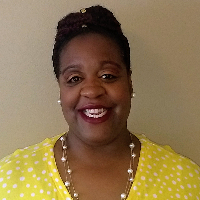
Treva Ross-Sanders
LPC
Arkansas - 25 yrs exp




















How CBT Addresses Addictions
Cognitive behavioral therapy is built on the idea that thoughts, feelings, and behaviors are connected. When you are dealing with addictive behaviors, certain patterns of thinking and situational responses can maintain or worsen use. CBT helps you identify the thoughts and beliefs that trigger urges and teaches practical strategies to change reactions and rebuild routines. Rather than focusing on labeling, CBT emphasizes skill building - learning to notice high-risk situations, challenging unhelpful beliefs about cravings, and practicing new coping responses that reduce the likelihood of relapse.
Cognitive mechanisms
In CBT for addictions you will work on recognizing automatic thoughts that make substances or behaviors feel inevitable or necessary. Those automatic thoughts might include overgeneralizations about failure, rigid rules about relief, or minimization of consequences. Through guided techniques you learn to examine the evidence for these thoughts, consider alternative perspectives, and develop more balanced self-talk. Changing how you think about triggers and cravings can reduce their intensity and give you more control over choices in the moment.
Behavioral techniques
The behavioral side of CBT focuses on what you do when urges arise. Therapists teach strategies such as activity scheduling to replace addictive routines with healthier actions, exposure exercises to safely face triggers and reduce reactivity, and skills rehearsal to strengthen refusal and delay techniques. You will also practice coping plans for high-risk scenarios so that when you encounter people, places, or emotions linked to use, you have rehearsed responses that support recovery. The emphasis is on practical, repeatable actions that change daily habits over time.
Finding CBT-Trained Help for Addictions in Arkansas
When you search for a CBT therapist in Arkansas, start by looking for clinicians who explicitly list CBT or cognitive behavioral approaches among their specialties. Licensed professionals such as psychologists, licensed professional counselors, licensed clinical social workers, and marriage and family therapists often provide CBT after additional training. Many therapists include information about their training, years of experience, and whether they focus on addictions in their profiles. Areas like Little Rock, Fayetteville, Fort Smith, and Springdale tend to have larger practices and specialized clinicians, while smaller communities may have providers who offer both addiction work and general mental health care.
It can be helpful to read a practitioner's description to understand how they apply CBT to addictive behaviors. Look for mention of relapse prevention, craving management, exposure techniques, and integration of other evidence-based skills such as mindfulness or motivational interviewing. If a profile is brief, you can contact the clinician to ask about their specific CBT experience with addiction-related issues. Many therapists are willing to discuss their approach in a short phone call or initial consultation so you can assess fit before scheduling a session.
What to Expect from Online CBT Sessions for Addictions
Online CBT sessions follow the same basic structure as in-person work, but with different logistics. You will typically begin with an assessment to map out patterns of use, triggers, strengths, and goals. Early sessions often focus on psychoeducation - learning how addiction develops and how CBT tools work - and on building a collaborative plan. Later sessions emphasize practicing techniques, reviewing homework, and adjusting strategies to real-life challenges. Many people find that virtual sessions increase convenience and access, especially when providers with specific CBT addiction expertise are located in larger cities like Little Rock or Fayetteville.
Technology can also be leveraged in treatment. Therapists may assign digital worksheets to track cravings, mood, and exposure exercises between sessions. You will likely be asked to try skills in real-world situations and report back, so consistent internet access and a quiet place to talk are practical considerations. Some therapists offer a mix of in-person and online appointments if you prefer meeting face-to-face occasionally. Be sure to discuss session length, scheduling, and fee structure up front so you understand how online work will fit your life.
Evidence Supporting CBT for Addictions
Cognitive behavioral approaches are widely used in addiction treatment because they target the processes that maintain problematic patterns. Research over several decades has found that CBT can help reduce substance use, improve coping skills, and lower the risk of relapse across a range of addictive behaviors. The strength of CBT is its focus on replicable skills - the same techniques you practice in sessions are the ones you use when cravings happen. While outcomes vary by individual and by the nature of the problem, many people report improvements in symptom management, decision-making, and daily functioning when CBT is part of a broader treatment plan.
If you want to understand how the evidence applies to your situation in Arkansas, ask potential therapists about the types of cases they have treated and what outcomes they commonly see. Clinicians who work with local hospital systems, recovery programs, or community health agencies may be familiar with regional needs and resources. Whether you live near the population centers of Little Rock and Fort Smith or in a smaller town, discussing treatment goals and expected timelines with a therapist will give you a clearer sense of how CBT may help you or a loved one.
Tips for Choosing the Right CBT Therapist in Arkansas
Finding the right CBT therapist involves both objective and personal considerations. Objectively, check that the clinician is licensed in Arkansas and lists CBT as a primary approach. Look for experience specific to addictions, as working with substance use or behavioral addictions often requires targeted strategies and familiarity with co-occurring concerns such as mood or anxiety symptoms. A therapist's profile or initial conversation should give you a sense of their training in CBT and how they adapt techniques to individual needs rather than offering a one-size-fits-all program.
On a personal level, consider whether the therapist's communication style and treatment philosophy match what you find motivating. Some therapists emphasize structured homework and measurable goals, while others blend CBT with supportive coaching or mindfulness practices. You might prefer a clinician who has experience with particular populations - for example, young adults, parents, or people in recovery programs - or someone who understands the cultural context of your community. If proximity matters, search for providers in cities like Fayetteville or Springdale, or ask about weekend or evening availability if you work during the day.
Practical details are also important. Ask about fees, insurance acceptance, sliding scale options, and the expected length of treatment. If you plan to use telehealth, confirm the technology used and what to do if a session needs to be rescheduled. A short initial consultation can clarify many of these questions and help you decide whether to begin regular sessions. Trust your judgment - you should feel comfortable discussing sensitive topics and confident that the therapist will work with you on achievable goals.
Next Steps
Starting with a directory of CBT-focused providers in Arkansas is a practical way to narrow your options. Use profile details to compare training and approach, and reach out to ask specific questions about experience with addictions. If you live near a major city, you may have more choices for specialized CBT clinicians, while telehealth can expand options across the state. Ultimately, the most effective path is one where you and your therapist collaborate on clear goals, practice skills between sessions, and adjust strategies as you progress. Taking that first step - reaching out and asking about CBT for addictions - is the beginning of a process that builds skills and supports change.