Find a CBT Therapist for Grief in Arkansas
This page highlights therapists in Arkansas who use cognitive behavioral therapy to help people coping with grief. You will find clinician profiles trained in CBT for loss across the state.
Use the listings below to explore practices in Little Rock, Fayetteville, Fort Smith and other communities, and connect with a therapist who fits your needs.

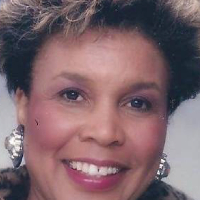

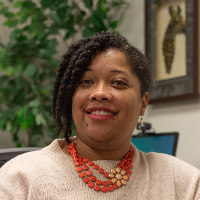
Treva Ross-Sanders
LPC
Arkansas - 25 yrs exp
















How CBT Approaches Grief
When you meet with a CBT therapist for grief, the work centers on understanding how thoughts, feelings and behaviors interact after a loss. Cognitive behavioral therapy helps you notice unhelpful thinking patterns that can deepen sadness, anxiety or avoidance, and it pairs that noticing with practical behavioral steps to reduce emotional distress and restore daily functioning. The approach emphasizes learning skills that can be applied between sessions - practicing new ways of thinking about memories, testing assumptions about safety or meaning, and gradually re-engaging with activities that matter.
CBT for grief tends to focus on two complementary mechanisms. The cognitive part involves identifying beliefs that might be keeping you stuck - for example, rigid thoughts about responsibility, guilt, or the idea that life cannot be meaningful without the person you lost. A therapist helps you examine evidence for and against those beliefs and develop alternative perspectives that are more balanced. The behavioral part targets avoidance and withdrawal. Over time, avoidance can narrow your life and prolong intense symptoms. Through carefully planned behavioral experiments and activity scheduling, you work toward rebuilding routines and reconnecting with values and relationships.
Practical tools used in CBT for grief
In session you can expect to practice skills such as cognitive restructuring - reframing unhelpful thoughts - along with techniques to manage heightened emotions like breath-based grounding and problem-solving. Behavioral work might include creating a graded plan to reintroduce meaningful tasks, approaching memories or reminders in a supported way, and keeping a diary of mood and activity to spot patterns. Therapists often combine these skills with compassion-focused language to acknowledge the depth of loss while also encouraging adaptive coping behaviors.
Finding CBT-Trained Help for Grief in Arkansas
Looking for a CBT therapist in Arkansas means balancing professional training, clinical experience with grief, and practical fit. Many therapists list CBT as a primary modality and will note additional training in bereavement or loss-focused interventions. You might start your search by filtering for clinicians who emphasize cognitive behavioral methods and mention grief or bereavement on their profiles. Pay attention to details such as licensure, years of experience, and any specialized coursework or workshops in grief-focused CBT.
Geography matters if you prefer in-person sessions. Major population centers like Little Rock, Fort Smith, Fayetteville and Springdale host therapists with diverse training backgrounds. If you live outside those areas, consider clinicians who offer telehealth across Arkansas. When you read profiles, look for language about working with adult loss, sudden deaths, chronic illness bereavement, or anticipatory grief - those specifics can indicate a better match for the type of loss you are facing.
What to Expect from Online CBT Sessions for Grief
Online CBT sessions for grief have become a practical option for many people across Arkansas. If you choose remote care, expect a familiar structure to what therapy in a clinician's office offers - an initial intake to review history and goals, regular scheduled sessions, and collaborative planning of homework between appointments. Technology requirements are usually minimal - a stable internet connection and a device with video and audio. Therapists will often discuss privacy measures, session etiquette, and contingency plans for interruptions at the start of treatment.
During online sessions you will work through the same cognitive and behavioral techniques used in face-to-face therapy. Therapists can guide exposure exercises, help you reframe thoughts, and coach you through difficult moments in real time. Remote care can make it easier to schedule appointments around work or family commitments and lets you access clinicians who practice in Little Rock, Fayetteville or other cities even if you live in a more rural part of Arkansas. If you have concerns about the telehealth format, many therapists offer an initial consultation so you can see how the virtual dynamic feels before committing.
Evidence and Outcomes for CBT and Grief
Research literature indicates that cognitive behavioral approaches can be helpful for people experiencing prolonged or intense grief reactions. Studies typically show that CBT techniques aimed at modifying unhelpful thoughts and increasing adaptive behaviors contribute to reductions in distress and improvements in daily functioning over time. In clinical practice, therapists adapt these core techniques to each person's story, cultural background and the nature of the loss.
In Arkansas, clinicians trained in CBT apply these evidence-informed strategies across diverse communities. Whether you are in a metropolitan area such as Little Rock or Fayetteville or a smaller town, you can find professionals who integrate current research into their grief work. While outcomes vary from person to person, many people report that learning actionable skills and having a structured approach makes the grieving process feel more navigable and purposeful.
Tips for Choosing the Right CBT Therapist for Grief in Arkansas
Finding the right therapist is not only about credentials - it is also about how you connect and whether the therapist’s approach fits your needs. Start by reading clinician profiles to see if they describe work with grief and a CBT orientation. During an initial call or consultation, you might ask about their experience with grief-related issues similar to yours, how they structure CBT for bereavement, and what typical session goals look like. Pay attention to whether they explain techniques clearly and welcome questions - that is often a sign of collaborative care.
Consider logistical factors as well. Ask about session length and frequency, fees, and whether the therapist offers flexible scheduling or sliding-scale options if cost is a concern. If in-person care is important, check the therapist’s location and whether they see clients in-office in cities like Fort Smith or Springdale. If you prefer telehealth, confirm that they provide services across Arkansas and inquire about any technology platforms they use and their policies for virtual care. Cultural sensitivity and an understanding of how grief is experienced in different communities can be especially important, so look for clinicians who demonstrate awareness of family, faith, and regional values.
When to look for additional supports
CBT can be a powerful tool for many people navigating grief, but some situations benefit from broader support. If you find symptoms are extremely intense, persistent, or interfering with safety, consider discussing a coordinated care plan with your therapist that may involve medical providers or community resources. Therapists can often connect you with local grief groups, clergy, or social services in Arkansas to complement individual CBT work.
Next Steps
Begin by browsing the therapist profiles on this page to identify clinicians who advertise CBT and grief expertise. Reach out for a brief consultation to ask about their approach and to get a sense of rapport. Whether you are in Little Rock, Fayetteville, Fort Smith or elsewhere in Arkansas, taking that first step - a short call or message - can help you find a clinician whose training and style match what you need right now.
Grief is deeply personal, and finding a CBT therapist who listens and offers practical tools can make a meaningful difference as you adapt to life after loss. Use the listings below to compare options, note availability and reach out to begin a process that respects your experience and supports gradual recovery of daily routines and meaning.