Find a CBT Therapist for Relationship in Arkansas
This page connects you with therapists in Arkansas who use cognitive behavioral therapy to address relationship concerns. You will find practitioners across the state, including listings for Little Rock, Fayetteville and Fort Smith—browse the profiles below to find a fit.

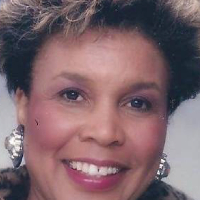

Treva Ross-Sanders
LPC
Arkansas - 25 yrs exp




















How CBT works for relationship problems
Cognitive behavioral therapy, or CBT, treats relationship difficulties by helping you identify and change patterns of thinking and behavior that contribute to conflict and disconnection. In a CBT-informed approach you and your therapist explore the beliefs and automatic thoughts that shape how you interpret your partner's actions, the assumptions that trigger defensive responses, and the behaviors that maintain negative cycles. Rather than only talking about feelings, CBT emphasizes concrete skills and experiments that help you test unhelpful thoughts and practice new ways of interacting.
Cognitive mechanisms
On the cognitive side CBT helps you notice how your interpretations of events influence your emotions and behavior. You may discover that automatic negative thoughts - such as assuming worst intentions or globalizing a single disagreement into a broader judgment about the relationship - fuel anger, withdrawal, or criticism. Once you can label these patterns, you and your therapist work to challenge selective thinking and create more balanced appraisals. This shift in thinking often reduces reactivity and creates room for clearer communication.
Behavioral mechanisms
Behaviorally, CBT focuses on changing interactions that reinforce conflict. This can mean learning practical communication skills to express needs without escalating, scheduling positive shared activities to rebuild connection, and using behavioral experiments to test new ways of responding. Therapy often includes structured exercises you practice between sessions so that new habits gain traction in daily life. Over time these behavioral changes can alter the feedback loops that previously maintained tension.
Finding CBT-trained relationship help in Arkansas
When you search for a CBT therapist in Arkansas, look for clinicians who list training or experience with cognitive behavioral methods and who describe concrete techniques they use with couples or individuals addressing relationship issues. Licensing titles vary - you may see licensed professional counselors, licensed clinical social workers, psychologists or marriage and family therapists - so check credentials and any continuing education in CBT or evidence-based couples work. Local resources and professional directories often allow filtering by approach and specialty so you can narrow results to clinicians who emphasize CBT for relationship concerns.
Think about geography and access as you search. If you prefer meeting in person, focus on providers in cities such as Little Rock, Fayetteville, Springdale or Fort Smith. If travel is difficult or you live outside a metropolitan area, many CBT-trained clinicians in Arkansas offer virtual sessions which expand your options while maintaining the same structured approach to treatment.
What to expect from online CBT sessions for relationship work
Online CBT sessions typically follow the same structure as in-person care. Your first session usually includes an assessment of the relationship patterns you want to change, a discussion of goals, and an outline of how CBT techniques will be applied. Therapists often explain the collaborative nature of CBT and agree on measurable goals, such as improving communication during disagreements or increasing positive interactions over a month. Sessions tend to be focused and skill-oriented, with time devoted to reviewing progress, teaching or practicing a strategy, and assigning tasks to try between meetings.
Telehealth makes it easier to work with clinicians across Arkansas, so you are not limited to providers in your immediate area. Many people appreciate the convenience of joining sessions from home or from another comfortable environment. You should expect to use video for most interactions, though some therapists offer phone sessions when needed. Make sure you have a quiet place where you and, if applicable, your partner can speak without interruptions when participating in an online session.
Evidence and applicability of CBT for relationship concerns
Research supports CBT-based approaches for improving communication, reducing maladaptive patterns, and helping couples manage emotional reactivity. Studies indicate that structured, skills-focused therapy can produce meaningful changes in how partners interpret each other's behavior and how they respond during conflict. While outcomes vary depending on the nature of the concerns and how consistently techniques are practiced, CBT's emphasis on measurable goals and homework makes progress easier to track over time.
In Arkansas, clinicians in community clinics, private practice and university-affiliated centers apply CBT with adaptations for diverse communities and life circumstances. Whether you live in a larger city or a rural area, you can find therapists who tailor CBT exercises to your cultural background, family structure, and the practical realities you face day to day. If you have specific cultural or identity-related needs, discussing those preferences early helps ensure the therapeutic approach aligns with your values.
Choosing the right CBT therapist for relationship work in Arkansas
Finding the right therapist is as much about fit as it is about training. When you reach out to a clinician, ask how they apply CBT to relationship issues and whether they work with couples together or individually with partners. Some therapists focus on skill-building and communication work, while others integrate cognitive restructuring with behavioral experiments tailored to relational dynamics. You may prefer a provider who emphasizes structured homework and measurable goals, or someone who blends CBT with approaches that address emotional depth - make your preference known during initial contacts.
Consider logistics like session format, scheduling, fees and whether a therapist accepts your insurance or offers sliding-scale rates. If you live near Little Rock, Fayetteville or Fort Smith, you might prioritize in-person availability. If you need flexible scheduling or live in a more remote county, telehealth-friendly clinicians expand your choices. Also pay attention to the clinician's experience with issues similar to yours - for example, co-parenting transitions, recurring betrayal, or communication breakdown after major life changes - and ask for examples of the techniques they would use in CBT sessions to address those challenges.
Preparing for your first sessions and getting the most from CBT
Before your first appointment, clarify what you want to change and what success would look like. You do not need to bring a fully formed plan - therapists expect to help you set goals - but having a sense of the priorities you and your partner share will help focus early sessions. Expect to do tasks outside of therapy; the homework component is central to CBT and is how practice translates into real-world change. Be ready to try communication exercises, keep brief records of interactions or thoughts, and approach experiments with curiosity rather than judgment.
Finally, remember that progress can be gradual and that trying different strategies is part of the learning process. If a particular therapist’s style does not match what you need, it is reasonable to try another clinician until you find the right fit. Arkansas offers a range of CBT-trained professionals in urban centers and smaller communities, so you can pursue an approach that balances evidence-based methods with the personal rapport that supports sustained change.
Next steps
Use the therapist listings above to compare profiles, read descriptions of each clinician's CBT approach, and check availability in the cities and regions that work for you. Reach out for an initial consultation to ask about training, treatment structure and how they would apply CBT to your relationship goals. Taking that first step will help you find a therapist whose methods and schedule align with what you need to move toward healthier interactions and greater emotional balance.