Find a CBT Therapist for Trauma and Abuse in Arkansas
This page helps you find cognitive behavioral therapy (CBT) clinicians in Arkansas who focus on trauma and abuse. Explore therapists trained in trauma-focused CBT approaches and browse profiles below to find a clinician who matches your needs.


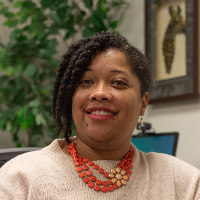
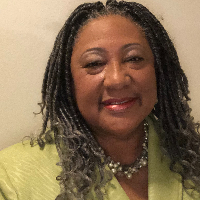
Treva Ross-Sanders
LPC
Arkansas - 25 yrs exp












How CBT treats trauma and abuse
If you are dealing with the effects of trauma or abuse, CBT offers a structured way to address the thoughts, feelings, and behaviors that often follow these experiences. CBT works by helping you identify patterns of thinking that keep distress alive - such as self-blame, overgeneralization, and catastrophizing - and then giving you tools to test and change those patterns. At the same time, CBT targets behaviors that maintain avoidance, hypervigilance, or withdrawal, teaching you practical strategies to reengage with life in ways that feel manageable.
Cognitive mechanisms
In therapy you learn to notice automatic thoughts that arise in response to reminders of trauma and to evaluate how realistic or helpful those thoughts are. Your therapist will guide you through exercises that challenge rigid beliefs about yourself, others, and the world. Over time you develop more balanced ways of understanding past events and current risks, which can reduce the intensity of fear and shame that often follow trauma and abuse.
Behavioral mechanisms
Behavioral work in CBT helps you gradually face situations you have been avoiding and practice new coping responses. Techniques may include exposure-based exercises, behavioral experiments, and activities that rebuild routines and social connections. These behavioral steps are paired with cognitive work so that new experiences can reshape the beliefs that keep you stuck.
Finding CBT-trained help for trauma and abuse in Arkansas
When you look for a therapist in Arkansas, it helps to seek clinicians who explicitly describe training in trauma-focused CBT approaches. You can search by location, licensure, and stated specialty to identify clinicians who work with trauma, abuse, and related concerns. Major population centers such as Little Rock, Fort Smith, Fayetteville, and Springdale host clinicians with a range of specializations, but many therapists also offer remote sessions that widen access across the state.
Licensure and training matter. Licensed clinical social workers, licensed professional counselors, psychologists, and clinical marriage and family therapists may all practice CBT for trauma. Ask about specific training in trauma-focused methods and whether the therapist continues professional development in evidence-based approaches. It is reasonable to ask a prospective therapist how they adapt CBT techniques to work with complex histories or co-occurring issues like anxiety or depression.
What to expect from online CBT sessions for trauma and abuse
Online CBT sessions typically follow the same structure as in-person care, with a focus on structured goals, skills practice, and homework between sessions. When you begin, your therapist will take a careful history, clarify what you hope to achieve, and develop a plan that matches your pace and needs. You will likely spend time building coping skills first - such as grounding, emotion regulation, and breathing techniques - before engaging in more direct trauma processing.
Remote sessions offer flexibility if you live outside urban centers or need appointments outside regular business hours. A therapist will also discuss how to create a reliable setting for sessions, what to do if distress rises between appointments, and how to coordinate care if you are seeing other providers. Many people appreciate the convenience of online work while receiving the structured, skill-based focus that defines CBT.
Evidence supporting CBT for trauma and abuse
CBT and its trauma-focused adaptations have been studied extensively and are widely recommended in clinical guidelines for addressing posttraumatic reactions and the sequelae of abuse. Research across diverse populations shows that CBT-based approaches can reduce symptoms of re-experiencing, avoidance, negative mood, and hyperarousal. Trauma-focused variants such as cognitive processing therapy and prolonged exposure are rooted in CBT principles and are commonly taught as part of trauma training.
Evidence does not mean there is a single right path for everyone. Results depend on factors such as the fit between you and the therapist, the nature of the trauma history, and the consistency of treatment. In Arkansas, clinicians who maintain ongoing training in evidence-based CBT approaches tend to blend standardized techniques with individualized care, which helps align the research with your real-world needs.
Tips for choosing the right CBT therapist in Arkansas
Choosing a therapist is a personal decision and it is important that you feel comfortable with the clinician's approach. Start by looking for therapists who list trauma and abuse as areas of specialization and who describe training in trauma-focused CBT. You can contact clinicians to ask about their experience working with people who have had similar experiences, how they structure sessions, and what outcomes they typically aim for. It is reasonable to ask how many sessions they expect before reviewing progress and whether they provide referrals to additional supports if needed.
Consider practical factors such as location or availability of online appointments, insurance participation, sliding-scale options, and office hours that fit your schedule. In urban areas like Little Rock or Fayetteville you may find a wider variety of specialized services, while clinicians serving Fort Smith and surrounding regions often combine in-person and remote options to meet local needs. If language, cultural background, or faith are important to you, seek a therapist who demonstrates experience and sensitivity in those areas.
Preparing for your first sessions and what comes next
Before your first session, think about your goals for therapy and any immediate concerns to share with the clinician. Many therapists ask about current symptoms, personal history, and what has been most helpful or unhelpful so far. Be prepared to discuss safety planning and supports, particularly if you are currently in a stressful or risky situation. Your therapist will work with you to set realistic short-term goals and to build a plan that balances skill development with careful processing of traumatic material.
CBT is collaborative. You should expect active engagement between sessions - often in the form of practice exercises or reflections - because applying skills outside the therapy hour is central to making progress. Over time you and your therapist will review what is working and adjust the approach as needed. Good therapists invite feedback and clarify expectations about frequency of sessions and how to measure improvement.
Accessing care across Arkansas
Whether you live in an urban center or a rural community, there are pathways to find CBT clinicians who focus on trauma and abuse. Start with the therapist listings above, look for clinicians who describe trauma-focused CBT training, and reach out with questions about their approach. If transportation or scheduling is a barrier, ask about online options and how sessions are structured remotely. Many Arkansans find that combining local supports with remote therapy expands their choices and helps match treatment to life demands.
Healing after trauma and abuse is a process that often benefits from a clear, skill-based framework. CBT provides a practical way to understand how thoughts and behaviors interact and to build new strategies for coping and recovery. Use the listings above to explore profiles, read clinician descriptions, and reach out to ask about fit. Taking that first step to connect with a trained CBT therapist can be the start of meaningful change in how you live and relate to the world.