Find a CBT Therapist for Stress & Anxiety in Australia
This page lists CBT therapists across Australia who specialise in stress and anxiety. The listings include practitioner profiles, CBT qualifications and appointment options - browse the entries below to compare clinicians.




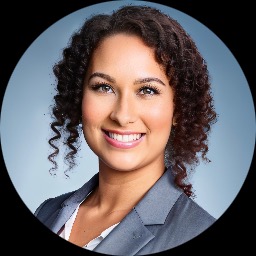

Neha Kapoor
PACFA
Australia - 6 yrs exp


















How CBT treats stress and anxiety
Cognitive Behavioural Therapy, commonly called CBT, focuses on the interaction between thoughts, feelings and actions. When you are stressed or anxious, patterns of thinking and avoidance behaviours tend to form that keep the response active. CBT helps you identify these patterns and then tests and modifies them through structured practice. Rather than simply talking about feelings, the approach blends cognitive strategies - such as examining unhelpful beliefs and testing predictions - with behavioural experiments that let you gather new evidence about feared situations.
Cognitive mechanisms
The cognitive side of CBT centres on the idea that automatic thoughts and core beliefs shape how you interpret events. In stress and anxiety, those interpretations tend to favour threat, overestimation of risk, or all-or-nothing evaluations. Your therapist will guide you to recognise typical thinking traps, learn to pause and evaluate assumptions, and develop alternative interpretations that are more balanced. Over time, changing these mental habits reduces the intensity and frequency of anxious responses because the brain receives different information about what is dangerous and what is manageable.
Behavioral mechanisms
On the behavioural side, CBT uses repeated, guided practice to change avoidance and safety behaviours that maintain anxiety. Exposure exercises, activity scheduling and skills rehearsal are common tools. Through planned practice you learn that feared outcomes are often unlikely or tolerable, and that coping strategies are effective. Behavioural experiments deliver real-world feedback that complements the cognitive work, so you not only think differently about stressors but act differently as well.
Finding CBT-trained help for stress and anxiety in Australia
Looking for a therapist who uses CBT in Australia means checking both clinical training and practical experience. Many psychologists and allied mental health professionals undertake postgraduate CBT training and ongoing supervision. In listings you will often see details of formal CBT qualifications, additional certifications in specific CBT methods, and the types of anxiety or stress issues the clinician commonly treats. If you prefer face-to-face work, search for clinicians near major centres such as Sydney, Melbourne or Brisbane. If location is less important, many practitioners offer online appointments that extend access beyond metropolitan areas.
Qualifications and professional standards
In Australia, clinicians from different backgrounds offer CBT, including registered psychologists and mental health professionals with specialised CBT training. Listings may note postgraduate degrees, supervised CBT training programs, membership of professional organisations and continuing professional development. These markers help you assess whether a therapist has formal training in the CBT models most relevant to stress and anxiety, such as cognitive therapy for generalized anxiety or exposure-focused protocols for panic and phobias.
What to look for in listings
When you explore listings, pay attention to the therapist's stated approach, experience with specific anxiety presentations and whether they describe structured, evidence-informed methods. Practical details such as session length, booking options and fee arrangements are useful for planning. Many clinicians also note whether they work with workplace stress, relationship-related anxiety or health-related worries, which can help you find someone whose experience matches your needs.
What to expect from online CBT sessions for stress and anxiety
Online CBT sessions follow the same structured principles as face-to-face work, adapted to a virtual setting. Sessions are typically scheduled for 45 to 60 minutes and include a clear agenda, review of homework, skill teaching and collaborative problem solving. Your therapist may use screen-shared worksheets, thought records, guided relaxation or exposure instructions delivered step by step. You can expect to receive between-session tasks designed to practice new skills in everyday life. The remote format can be particularly helpful if you live outside a major city or have limited time, and it can allow continuity of care if you move between cities such as Sydney, Melbourne or Brisbane.
Before sessions begin, most clinicians will check practicalities like camera and audio setup, discuss confidentiality boundaries and agree on a plan for managing distress during remote work. They may also ask about your environment to ensure a comfortable setting for participation. If you have concerns about technology or access, mention them when you contact a therapist so that alternatives such as phone sessions can be explored.
Evidence supporting CBT for stress and anxiety in Australia
CBT has a large and growing research base internationally and within Australia. Clinical trials, meta-analyses and systematic reviews consistently report that structured CBT interventions reduce symptoms for a range of anxiety disorders and for stress-related concerns. Australian researchers and clinical services have contributed to this body of work, adapting protocols for local populations and testing delivery methods such as online CBT. While individual outcomes vary, the overall evidence supports CBT as a first-line, goal-oriented approach for many forms of anxiety and stress.
When considering research, it is helpful to remember that effectiveness depends on the match between the chosen CBT model and the problem you bring. Therapists who measure progress with validated questionnaires and who set clear treatment goals can help you see whether the approach is producing the changes you want.
Tips for choosing the right CBT therapist for stress and anxiety in Australia
Choosing a therapist is a personal decision. Start by identifying whether you prefer face-to-face appointments in a local clinic or the convenience of online sessions. If you live in a city, you may have a choice of therapists in Sydney, Melbourne or Brisbane; if you live elsewhere, remote options widen the pool. Look for therapists who describe specific CBT training and experience with the type of anxiety or stress you are experiencing. When you contact a clinician, ask about how they structure treatment, what tools they use, how progress is measured and what a typical course of therapy involves.
Consider practical matters as well. Ask about session fees, available appointment times and whether you may be eligible for rebates through Australian healthcare programs if applicable. Many therapists welcome an initial phone conversation or brief consultation so you can assess fit. Your comfort with the therapist's style and their collaborative attitude toward goal setting are often as important as credentials.
Finally, be prepared to give the process a few weeks to show change. CBT emphasises active practice and measurable goals, so you will typically work on skills between sessions. If after a reasonable period you do not feel benefit, discuss this openly with the clinician - a different approach or therapist may suit you better. Finding the right match can make a substantial difference to how effectively CBT helps you manage stress and anxiety.
Across Australia, clinicians trained in CBT offer a range of access options and specialisations. Whether you are seeking help in a major city or from wherever you live, comparing profiles, checking training and asking specific questions about treatment approach will help you choose a therapist who is well aligned with your needs.