Find a CBT Therapist for Bipolar in California
This page helps you find therapists in California who use cognitive behavioral therapy (CBT) to address bipolar spectrum concerns. Browse clinician profiles below to compare training, approaches, and availability in your area.
Use the filters to focus on CBT-trained providers in cities across the state and explore options that match your needs and schedule.







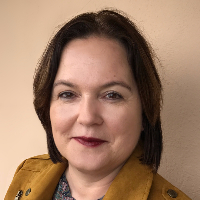
Cynthia Rumford-Jones
LCSW
California - 22 yrs exp












How CBT Approaches Bipolar Conditions
Cognitive behavioral therapy for bipolar focuses on the relationship between thoughts, behaviors, and mood. Rather than promising a cure, CBT offers practical strategies that help you recognize early warning signs, test unhelpful thoughts, and build routines that support mood stability. In therapy you will work with your clinician to identify patterns of thinking that can precede depressive or manic shifts, and to develop behavioral tools that reduce the intensity or duration of those shifts. Techniques often include mood charting, activity scheduling to balance energy levels, cognitive restructuring to examine automatic thoughts, and behavioral experiments to test new ways of reacting in daily life.
CBT's emphasis on skills makes it a complementary approach to medication and medical management when those are part of your overall plan. Therapists trained in CBT aim to teach skills you can use between sessions so you have a clearer way to respond to early warning signs and to manage stressors that might otherwise contribute to mood changes.
Finding CBT-Trained Help for Bipolar in California
When you search for a CBT clinician in California, you will find licensed psychologists, clinical social workers, marriage and family therapists, and licensed professional counselors who have additional training in CBT and experience with mood disorders. Look for clinicians who mention bipolar, mood regulation, or mood stabilization in their specialties and whose descriptions indicate use of CBT techniques like cognitive restructuring, behavioral activation, or relapse prevention. Many providers include information about their specific CBT training or certifications, and some work in clinics affiliated with universities or medical centers in major metropolitan areas.
Availability varies by region. In Los Angeles and San Francisco you will often find clinicians with experience in research-informed CBT approaches and access to specialty programs. In San Diego and other coastal cities there are clinics integrated with broader mental health services, and in inland areas such as Sacramento and San Jose you can find experienced CBT providers who offer a mix of in-person and remote care. If location or transportation is a concern, consider clinicians who offer telehealth so you can access CBT skills from home or from a convenient location.
What to Expect from Online CBT Sessions for Bipolar
Online CBT sessions typically follow a structured format similar to in-person therapy. Your first session usually includes an assessment of mood history, current symptoms, and treatment goals. Together with your clinician you will create a focused plan that outlines the structure of treatment, frequency of sessions, and the kinds of homework or practice tasks you will use between meetings. Sessions commonly include guided cognitive work to identify and test unhelpful beliefs, behavioral strategies to stabilize daily routines, and problem-solving around sleep and activity patterns that influence mood.
Homework is a central part of CBT and may involve tracking mood, testing a new behavior, or practicing coping statements in real-life situations. Online delivery allows clinicians to use digital tools for mood tracking, worksheets, and session summaries, which can help you keep skills accessible between sessions. If you are coordinating care with a prescriber, an experienced CBT clinician can work collaboratively to support medication adherence discussions and shared monitoring plans, while respecting your preferences and consent about information sharing.
Evidence and Clinical Context in California
Clinical research has explored CBT as an adjunctive therapy for people with bipolar conditions, and academic centers and clinical programs in California have contributed to that evidence base. Studies generally examine how structured psychological interventions can help people manage symptoms, recognize triggers, and support longer-term stability when used alongside medical care. In practical terms, therapists in California often draw on this research to adapt CBT techniques to the realities of daily life - for example, helping you manage irregular work schedules in Los Angeles or addressing stressors common to urban and suburban living in the Bay Area and San Diego.
Local clinician training programs and continuing education offerings frequently emphasize evidence-informed practice, which means therapists aim to base their work on methods that have been studied and refined. When you review provider profiles, you can look for clinicians who describe how they use research-supported CBT techniques for mood regulation and relapse prevention in their work with people living with bipolar conditions.
Choosing the Right CBT Therapist for Bipolar in California
Selecting a therapist is a personal and practical decision. Start by considering whether a clinician’s stated experience and approach align with your goals for therapy. If you are seeking CBT specifically, look for language about structured sessions, skill-building, mood monitoring, and relapse prevention. Ask about experience working with bipolar conditions and whether the therapist regularly coordinates care with prescribers or primary care providers. It is reasonable to inquire about the typical session length and frequency, what homework or tools you might be expected to use, and how progress is measured over time.
Practical factors also matter. Consider the clinician’s location or their telehealth options, availability for evening or weekend appointments if you work, and whether they accept your insurance or offer sliding scale fees. Think about the cultural fit as well - many therapists list areas of specialization such as working with specific age groups, cultural communities, or relationship dynamics. If you live near Los Angeles, San Francisco, or San Diego, you may find a broader selection of therapists with subspecialty training. In smaller communities you might prioritize clinicians who have strong experience with mood disorders and who offer flexible scheduling or telehealth.
Questions to Ask During a First Call
When you contact a therapist for an initial conversation, ask how they tailor CBT to a clinician’s particular mood pattern, whether they use mood charts or activity scheduling, and how they approach episodes of mania or depression while ensuring safety and continuity of care. You may want to discuss how they involve family members or partners when appropriate, and how they handle coordination with medication prescribers. Trust your sense of whether the clinician listens to your concerns and invites collaborative planning - that working relationship is often central to making progress with CBT skills.
Next Steps
Use the listings above to compare clinician profiles and to identify therapists who emphasize CBT for bipolar. Reach out to a few providers to get a sense of fit and to learn about their approach to mood tracking, relapse prevention, and skill-building. Whether you live in a major city like Los Angeles, San Francisco, or San Diego, or in a smaller community, taking the first step to ask about CBT experience and treatment structure will help you find a clinician suited to your needs and schedule.