Find a CBT Therapist for Grief in California
Find CBT therapists across California who focus on grief and bereavement and use evidence-informed cognitive behavioral techniques to support healing. Browse the listings below to compare clinicians, review specialties, and reach out to start scheduling care.











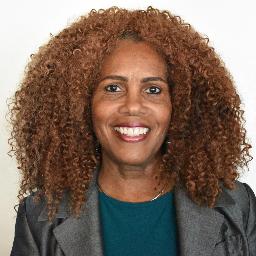
Cynthia Rumford-Jones
LCSW
California - 22 yrs exp









How CBT Addresses Grief
When you are grieving, thoughts, behaviors, and physical sensations often interact in ways that prolong distress. Cognitive behavioral therapy - CBT - helps you identify patterns of thinking that magnify pain and teaches you practical strategies to respond differently. Rather than telling you to move on, CBT supports you in exploring how beliefs about loss, blame, or guilt shape your daily choices and emotional reactions.
CBT for grief focuses on both the cognitive and behavioral mechanisms that influence recovery. On the cognitive side, you work with a therapist to notice automatic thoughts and underlying assumptions related to the loss. That can include beliefs about meaning, responsibility, or expectations for how grief should unfold. Through structured exercises you learn to test thoughts against evidence and to develop alternative, more balanced appraisals. On the behavioral side, sessions often include activity scheduling to help you re-engage with valued activities, graded exposure to avoided situations or memories, and skills for managing intense emotions when they arise.
This combined approach helps you build new coping patterns. You learn skills to tolerate painful feelings without withdrawing, while also practicing behaviors that connect you with supportive people and meaningful aspects of life. The goal is not to erase memories but to expand your capacity to live with them in ways that reduce interference with daily functioning.
Finding CBT-Trained Help for Grief in California
California offers a wide range of clinicians trained in CBT, and many list grief and bereavement among their specialties. When looking for a therapist, consider credentials such as licensed psychologist, licensed clinical social worker, or licensed marriage and family therapist, and look for specific training or certifications in cognitive behavioral methods. Many therapists include information about their approach on their profiles - for example, whether they use cognitive restructuring, behavioral activation, or exposure-based techniques adapted for grief.
Think about logistics as well as fit. You may prefer an in-person clinician if you want a local office visit in Los Angeles, San Francisco, or San Diego, or you might choose online sessions to access specialists who practice elsewhere in California. Therapists in larger metropolitan areas may offer more evening or weekend availability, while clinicians in suburban or rural parts of the state might have daytime openings. Reading therapist bios and introductory videos can help you get a sense of their style before you reach out.
Local considerations
In urban centers like Los Angeles and San Francisco you may find clinicians who specialize in grief related to diverse communities and cultural practices, which can be helpful if cultural context matters in your grieving process. In San Diego, therapists often highlight work with military families and aging populations. Wherever you are in California, you can look for clinicians who mention bereavement groups, experience with sudden loss, or grief following illness, as those details can indicate relevant experience.
What to Expect from Online CBT Sessions for Grief
Online CBT sessions for grief follow many of the same principles as in-person work but offer additional flexibility. You will typically begin with an intake session to share your history and current concerns, and the therapist will ask about the circumstances of the loss, your emotional and physical reactions, and any patterns that have developed since. Together you and the therapist set goals that are specific and measurable, such as reducing avoidance of reminders or increasing engagement in meaningful activities.
Sessions usually combine discussion, structured exercises, and homework assignments. A therapist might guide you through cognitive restructuring exercises during a session and then ask you to try them in daily life, or they may coach you through graded exposure exercises aimed at memories or situations you have been avoiding. Therapists use handouts, worksheets, and in-session practice to reinforce skills. Many clinicians also discuss how to manage intense moments and how to create a brief plan for coping when emotions run high between sessions.
Online work can be especially useful if you live far from specialty services or if mobility, caregiving, or schedule constraints make in-person visits difficult. Be sure that your internet connection and a quiet, comfortable environment are available when you plan sessions, and ask potential therapists about their technology and cancellation policies so you know what to expect.
Evidence Supporting CBT for Grief
Research in psychological treatments shows that cognitive and behavioral approaches can be effective for many people who are struggling after a loss. Studies indicate that structured interventions that combine cognitive work and gradual behavioral activation help reduce symptoms of prolonged grief and improve daily functioning. In California, clinicians often adapt these evidence-based techniques to local populations and cultural contexts, integrating community resources and family involvement as needed.
When evaluating claims about effectiveness, look for therapists who reference evidence-based practices and who can describe how they adapt CBT strategies to grief specifically. While outcomes vary depending on individual circumstances, the structured, skills-based nature of CBT makes it a commonly recommended option for people seeking active, practical strategies to manage grief-related symptoms.
Tips for Choosing the Right CBT Therapist for Grief in California
Finding a good match matters. Start by reviewing profiles for therapists who list CBT and grief as specialties and read descriptions of their training and experience. Consider the types of losses they have worked with - for example, anticipated loss, sudden death, or loss connected to illness - and whether they have experience with the age group and cultural background most relevant to you.
Ask prospective therapists about their approach to grief and how they integrate cognitive and behavioral techniques. A helpful therapist will explain the kinds of exercises you might do in and out of sessions and how progress will be measured. If you prefer in-person work, look for clinicians in your city, whether you are in Los Angeles, San Francisco, or San Diego. If you need flexibility, ask about telehealth options and how they handle emergencies between sessions.
Other practical considerations include session length, frequency, fees, and whether the clinician offers sliding scale fees or works with your insurance. Many therapists offer a brief phone consultation at no charge so you can get a sense of rapport and whether their style feels supportive. Trust your sense of fit - a therapist who communicates clearly about process and expectations often helps you move forward more efficiently.
Making the First Contact
Reaching out to a CBT therapist for grief can feel difficult, but taking that first step is often the beginning of practical change. When you contact a therapist, you can briefly describe the loss, mention that you are seeking CBT-informed treatment, and ask about availability and what an initial session would look like. If the first clinician is not the right fit, it is reasonable to try a few profiles until you find someone whose style and experience match your needs.
Across California, whether you choose a clinician in a metropolitan area or a therapist who offers online sessions statewide, CBT provides a structured framework to help you understand and respond to grief. With the right support, you can develop tools to manage painful memories and to gradually reclaim activities and connections that matter to you.