Find a CBT Therapist for Hoarding in California
This page connects you with California clinicians who use cognitive-behavioral therapy (CBT) to address hoarding-related difficulties. Browse therapist profiles below to compare qualifications, approaches, and availability in cities across the state.



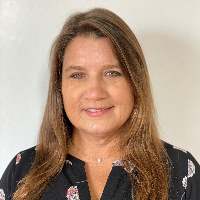
Claudia Santiago
LCSW
California - 12 yrs exp





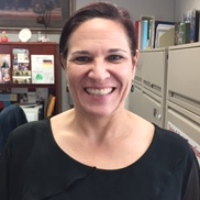
Jeanette Salinas
LCSW
California - 30 yrs exp














How CBT Approaches Hoarding: The Basics
When you seek CBT for hoarding, the focus is on how thoughts, emotions, and behaviors interact to maintain difficulties with collecting and difficulty discarding items. CBT works by helping you identify beliefs that make possessions feel especially important or threatening to let go of, such as worries about waste, fear of making a wrong decision, or intense attachment to objects. At the same time, CBT addresses avoidance patterns and routines that keep clutter and collecting behaviors in place.
Therapy moves between cognitive work - where you examine and test ideas about possessions - and behavioral work - where you practice new skills in the real world. Cognitive techniques help you notice automatic thoughts and develop more balanced ways of interpreting owning and discarding items. Behavioral techniques encourage gradual exposure to sorting, discarding, and organizing tasks paired with strategies to manage anxiety and decision-making. Over time, you build practical habits for acquiring, assessing, and maintaining belongings so day-to-day living becomes more manageable.
Specific Cognitive and Behavioral Mechanisms
Cognitive-behavioral treatment targets several mechanisms that commonly sustain hoarding. First, it helps you examine overvalued beliefs about the usefulness or identity value of possessions. Therapy provides structured opportunities to test those beliefs through behavioral experiments. Second, CBT addresses difficulty with decision-making by teaching explicit rules and routines that reduce uncertainty and impulsive acquiring. Third, exposure-based tasks reduce avoidance by having you repeatedly face sorting or discarding activities while learning to tolerate the distress that arises. Finally, skills training in organization, problem solving, and planning helps translate therapeutic gains into daily routines so improvements last beyond sessions.
Finding CBT-Trained Help for Hoarding in California
In California you can find clinicians trained in CBT across a variety of settings - private practices, community mental health clinics, and university-affiliated programs. Practitioners may hold licenses such as psychologist, licensed clinical social worker, licensed marriage and family therapist, or licensed professional counselor. When you search for a therapist, look for mention of CBT training and specific experience working with hoarding presentations. Many therapists will note experience with home-based interventions or collaboration with organizers or family members, which can be helpful if you want practical, in-home work later in treatment.
Urban centers like Los Angeles, San Francisco, and San Diego tend to have more clinicians with specialized training, while smaller communities may have fewer specialists but options for telehealth. If you live outside a major city, you can still connect with CBT-trained providers who offer remote sessions and who are familiar with regional resources and services. When possible, choose a therapist whose training or continuing education includes hoarding-related interventions and who can explain their approach in clear terms.
What to Expect From Online CBT Sessions for Hoarding
Online CBT sessions adapt the same cognitive and behavioral components you would experience in person, but with adjustments to make virtual work practical. Your therapist will typically begin with assessment and goal-setting, then collaborate with you to build a treatment plan that includes regular in-session work and homework. Expect to discuss your history with collecting and discarding, your current routines, and the situations you most want to change. Sessions often include problem solving around immediate barriers and planning for behavioral tasks you will attempt between sessions.
For behavioral work, therapists may ask you to plan tasks you can perform in your home and to report back on progress. Some therapists offer guided, in-home sessions by video where you work through sorting and discarding tasks while the clinician coaches you through decisions and anxiety management techniques. You should arrange to be in a private space for sessions and to have any necessary technology ready. Online therapy also makes it easier to schedule more frequent, shorter contacts when that helps build momentum for change.
Practical Considerations for Remote Work
Telehealth can be a convenient option if travel or mobility is a concern. You should ask potential therapists about session length, frequency, and how homework and in-home tasks are supported. Discuss how they handle emergency concerns, how progress is measured, and whether they coordinate with family members or local services if needed. Be clear about fees, insurance coverage, and any sliding scale options so you can plan treatment access that fits your budget.
Evidence Supporting CBT for Hoarding
Clinical research over the past decades has increasingly focused on targeted CBT protocols for hoarding. Controlled trials and clinical studies have shown that structured CBT interventions - which combine cognitive restructuring, exposure to decision-making and discarding, and skills training - can reduce hoarding-related symptoms and improve daily functioning for many people. Research also highlights the importance of tailored behavioral tasks and motivational enhancement to address ambivalence about change.
California contributes to this evidence base through academic centers and clinical programs that study community delivery of CBT and adaptations for diverse populations. While individual outcomes vary, the consensus in clinical literature is that CBT-informed strategies are among the best-supported psychosocial approaches for hoarding-related difficulties. When you evaluate a therapist, asking how they measure progress and which outcome markers they track can help you understand how therapy may work for you.
Tips for Choosing the Right CBT Therapist in California
Choosing a therapist is a personal decision and a practical one. Start by clarifying your goals - whether you want help reducing clutter in a particular room, improving decision-making, or addressing the emotional attachment to items. Ask potential therapists about their specific training with hoarding-focused CBT, the types of behavioral strategies they use, and whether they have experience with in-home coaching or guided exposure by video. In cities like Los Angeles or San Francisco you may find clinicians who specialize in hoarding and who also collaborate with organizers and housing services. In San Diego or other regions you may find clinicians who balance office-based sessions with coordinated community supports.
Consider the therapeutic fit as well. You should feel that the therapist listens to your priorities, explains CBT techniques in understandable terms, and sets realistic, measurable goals. Ask about how they handle setbacks and how they involve family members if you want support from others. Clarify logistics such as session frequency, expected homework, cancellation policies, and how progress will be reviewed. If language access or cultural considerations matter to you, inquire about therapists who offer services in your preferred language or who have experience with your community.
Next Steps
When you are ready, use the therapist profiles above to compare clinicians who list CBT and hoarding as areas of focus. Reach out with a brief message describing your goals and ask a few questions about approach and availability. If a first match does not feel right, keep searching until you find a clinician who aligns with your preferences and practical needs. With a clear plan, collaborative therapist, and consistent effort, CBT offers structured tools that can help you change habits, reduce clutter-related distress, and improve everyday functioning in your home and life.