Find a CBT Therapist for Isolation / Loneliness in California
This page connects visitors with CBT-trained therapists across California who focus on isolation and loneliness. Explore clinician profiles that list training in cognitive-behavioral therapy and use the filters below to find a good match.








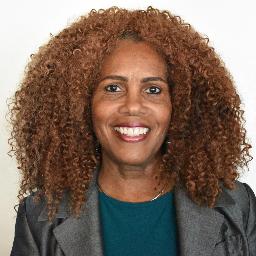
Cynthia Rumford-Jones
LCSW
California - 22 yrs exp












How CBT Treats Isolation and Loneliness
Cognitive-behavioral therapy approaches isolation and loneliness by examining the thoughts and behaviors that maintain the gap between the social connections you want and those you actually experience. In CBT you will look at the beliefs that shape how you perceive social situations - for example assumptions that others will reject you, or that you are fundamentally uninteresting. Those beliefs influence attention and interpretation, so you may notice social cues in a negative way or avoid opportunities to connect. CBT helps you test and revise those thoughts while also changing the behaviors that keep you isolated.
The work combines cognitive techniques and behavioral strategies. On the cognitive side you learn to identify automatic negative thoughts and decoding patterns that bias your perception. You practice more balanced thinking and experiment with alternative explanations for social feedback. On the behavioral side the focus turns to increasing meaningful activity and social contact through graded steps - from small, manageable interactions to more challenging social situations. Behavioral experiments are a core tool that let you evaluate whether your predictions about social interactions come true, and they provide concrete evidence that can alter unhelpful beliefs.
Understanding the Cognitive and Behavioral Mechanisms
Loneliness is often less about the number of relationships and more about perceived gaps in connection. CBT targets the mental processes that maintain those perceptions. You learn to notice safety behaviors - actions like withdrawing from conversations or rehearsing scripts internally - that reduce the risk of immediate discomfort but also prevent genuine connection. Therapists help you replace these patterns with actions that open the possibility of positive interactions.
Another important mechanism is attention. When you are feeling lonely you may focus on negative social cues and ignore positive signs. CBT includes exercises that broaden attention, encourage curiosity, and increase openness to new social data. Over time this recalibration of attention can change how you respond in social contexts and allow you to form more rewarding relationships.
Finding CBT-Trained Help for Isolation and Loneliness in California
If you are looking for CBT-trained clinicians in California, look for qualifications that indicate formal CBT training and experience treating social concerns. Many licensed psychologists, marriage and family therapists, and clinical social workers incorporate CBT into their work. In larger cities like Los Angeles and San Francisco you may find clinicians who specialize specifically in loneliness and social anxiety. In San Diego and surrounding areas there are therapists who combine CBT with social skills training or group-based interventions that focus on building connection.
When searching, pay attention to descriptions that mention behavioral experiments, exposure to social situations, or work on unhelpful thinking patterns. These phrases often signal a CBT orientation. You can also inquire about training history, whether a therapist uses structured treatment plans, and if they assign practice exercises between sessions. Those are typical features of CBT and indicate you will get a goal-oriented, skill-building approach.
What to Expect from Online CBT Sessions for Isolation and Loneliness
Online CBT sessions follow much the same structure as in-person therapy but with adaptations for the virtual setting. You can expect a focused agenda each session, with time dedicated to reviewing homework, practicing skills during the session, and setting behavioral experiments for the week ahead. Many therapists use worksheets, thought records, and activity scheduling tools that you complete together in-session or as assignments.
The virtual format can be especially useful for working on loneliness because it allows practice of social interactions in a low-pressure environment. You might rehearse conversation openers, practice assertiveness, or role-play exposure tasks. Therapists can help you design meaningful experiments that are feasible where you live - whether that means trying a new group activity in San Jose, attending a meetup in Sacramento, or initiating a short conversation while waiting in a line in Los Angeles. Technical checks and a clear plan for privacy and interruptions are part of the first sessions so you can focus on the therapeutic work.
Evidence and Effectiveness of CBT for Isolation and Loneliness
Research on cognitive-behavioral approaches shows that targeting thoughts and behaviors associated with social withdrawal can reduce feelings of loneliness and increase social activity. Studies often find improvements when therapy includes both cognitive restructuring and behavioral activation - the combination helps adjust the beliefs that block connection and the actions that create opportunities for it. In community and clinical settings across California, clinicians adapt these evidence-based techniques to meet local needs, offering both individual and group formats.
While individual outcomes vary, CBT's emphasis on measurable goals and practical tools makes progress trackable. Therapists frequently use standardized measures to monitor how loneliness and related symptoms change over time. When you engage with CBT, you can expect a collaborative approach where goals are set, progress is reviewed regularly, and strategies are adjusted based on what works for you.
Choosing the Right CBT Therapist in California
Choosing a therapist is partly about credentials and partly about fit. Start by identifying clinicians who list CBT and experience with social withdrawal, loneliness, or related concerns like social anxiety or life transitions. In person or online, you should feel understood and respected. Consider whether a therapist's cultural background, language abilities, and familiarity with your community matter to you - in diverse places like Los Angeles and San Francisco cultural awareness can be especially important for feeling heard.
Practical factors also matter. Think about session frequency, cost, and whether a therapist offers evening or weekend availability if you have a busy schedule. If you prefer group-based work, ask whether the clinician runs CBT-informed groups that focus on building social skills and connection. For many people, a short conversation or a brief phone consultation helps you assess whether the therapist's style resonates with you before committing to ongoing sessions.
Making the Most of CBT for Loneliness
Therapy is active work. You will likely be asked to try new behaviors between sessions and to track thoughts and feelings as you go. Small, repeated experiments tend to produce the clearest learning. For example, reaching out to one person with a simple message or attending a single community event and reflecting on the outcome can provide concrete evidence to challenge negative expectations. Over time these small steps build momentum and help you develop a pattern of connection that aligns with your values.
Living in California gives you access to many communities, resources, and group opportunities. Whether you are exploring activities in San Diego, volunteering in Sacramento, or joining a class in San Jose, combining CBT skills with local action helps translate insights into relationships. Your therapist can help you tailor experiments to your neighborhood and personal interests so that efforts to connect feel meaningful rather than forced.
Final Thoughts
CBT offers a practical framework for addressing the thoughts and behaviors that contribute to isolation and loneliness. By working with a therapist who emphasizes cognitive restructuring and behavioral experiments you can develop new habits, test assumptions, and increase opportunities for rewarding social contact. Use the listings above to find a California clinician who practices CBT and who matches your needs. A thoughtful match can make the work feel manageable and help you rebuild a pattern of connection that fits your life.