Find a CBT Therapist for Mood Disorders in California
This page lists therapists across California who use cognitive behavioral therapy to treat mood disorders. You can browse clinicians by location, training, and treatment focus to find CBT care that fits your needs.
Explore the listings below to compare approaches, availability, and formats so you can take the next step toward support for mood-related challenges.









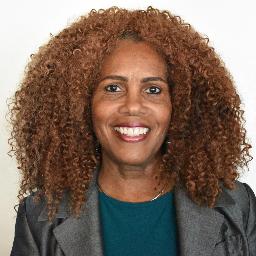
Cynthia Rumford-Jones
LCSW
California - 22 yrs exp














How CBT approaches mood disorders
Cognitive behavioral therapy, or CBT, centers on the idea that thoughts, behaviors, and emotions interact. When you are experiencing a mood disorder you may notice patterns of thinking that amplify low mood or make it harder to break a cycle of withdrawal and inactivity. CBT helps you identify those thinking patterns and test them against experience, while also introducing behavioral strategies that change how you spend your time and the kinds of activities that shape your day. The approach is practical and collaborative - you and your therapist work together to set goals, monitor progress, and practice skills between sessions so that new patterns can take hold in daily life.
At its core CBT uses two connected avenues. The cognitive work involves noticing automatic thoughts, evaluating evidence for and against them, and developing more balanced ways of thinking. The behavioral work focuses on activation and experimentation - scheduling activities that can improve mood, breaking tasks into manageable steps, and running behavioral experiments to see how different actions affect mood and functioning. By addressing both thinking and behavior you develop tools for managing the symptoms that often accompany mood disorders and for preventing setbacks.
Finding CBT-trained help for mood disorders in California
When you begin your search in California you will find clinicians practicing in a variety of settings - private practices, community clinics, university training clinics, and outpatient programs. Many licensed clinicians list CBT as a primary modality and some have additional CBT-specific training or certification. You can look for clinicians who explicitly describe their CBT training, mention experience with mood disorders, or note supervision and continuing education in CBT techniques. If you prefer in-person care, larger urban centers like Los Angeles, San Francisco, and San Diego tend to offer a wider range of CBT specialists and specialty clinics, while smaller communities may have clinicians who blend CBT with other approaches.
Licensure in California carries important information about a clinician's professional standing. Common licensure types include psychologists, licensed clinical social workers, licensed marriage and family therapists, and licensed professional clinical counselors. When you contact a therapist you can ask about their training in CBT, how long they have worked with mood disorders, and whether they have experience with specific issues you are facing. Many clinicians are willing to offer a brief consultation so you can get a sense of fit before beginning regular sessions.
Options across the state
In Los Angeles you may find clinicians who specialize in CBT adaptations for busy professionals or creatives, while in San Francisco there are many therapists experienced in integrating CBT with considerations for high-stress urban environments. San Diego clinicians often provide CBT with attention to family and lifestyle factors that matter in coastal communities. In inland regions such as Sacramento and in tech-centered San Jose clinicians may emphasize measurable progress and brief, goal-oriented treatment plans. Wherever you are in California you can look for clinicians who understand the local context that affects your life - work rhythms, family dynamics, cultural background, and access to community supports.
What to expect from online CBT sessions for mood disorders
Telehealth has expanded access to CBT across California, making it easier to see a clinician who matches your needs even if they are located in a different city. If you choose online sessions you can expect many of the same elements you would in person - an initial assessment to clarify goals and symptoms, collaborative goal-setting, an agenda-driven session structure, and regular homework to practice new skills. Sessions are typically structured so that time is used efficiently: you check in about recent mood and activities, review practice tasks, introduce a skill or problem solve with the therapist, and agree on experiments or tasks to try until the next appointment.
To get the most from online CBT you should plan a quiet, uninterrupted space where you can speak freely and do any written or worksheet work that the therapist assigns. Technical setup is straightforward - a stable internet connection and a device with video and audio are usually sufficient. You can ask the clinician about their policies for emergencies and how they coordinate care with other providers if you are seeing a physician or psychiatrist. Many clinicians will use outcome tracking tools so that you can see measurable changes in mood over time and adjust the plan if progress stalls.
Evidence supporting CBT for mood disorders in California
CBT is one of the most widely studied psychological treatments and a substantial body of research supports its use for depressive and mood-related concerns. Studies conducted in a range of clinical settings, including community clinics and academic research centers in California, have examined how CBT can be adapted for diverse populations and delivered via different formats. Research in this state has contributed to understanding how CBT can be implemented in primary care, integrated behavioral health programs, and telehealth models, making it a practical option for many people seeking help.
When you read about the evidence you will see a consistent theme: CBT helps people learn skills to manage mood and cope with stress, and it can be tailored to different ages, cultural backgrounds, and life circumstances. Local initiatives in California have also focused on training therapists in CBT methods and measuring outcomes to improve care at community level. While research describes average effects across groups, the most important question for you is how therapy helps your individual situation - that is why many clinicians emphasize measurement and regular review of progress so you can make informed decisions about continuing or adapting treatment.
Tips for choosing the right CBT therapist in California
Choosing a therapist is a personal process and practical considerations matter. Start by clarifying what you want from therapy - shorter-term skills-based work, ongoing support, or collaboration with medical care. Look for clinicians who describe CBT as a principal part of their approach and who have experience working with mood disorders similar to yours. Ask about the therapist's training, whether they use structured tools to track progress, and how they tailor the approach to fit your cultural background, language needs, or life circumstances. If you prefer in-person sessions, consider proximity and availability in cities such as Los Angeles or San Francisco. If you need flexibility, look for clinicians offering evening appointments or online sessions to fit your schedule.
During an initial consultation pay attention to how the therapist explains the CBT process - you should come away with clear ideas about session length, homework expectations, and short-term goals. Discuss practical matters like fees, insurance coverage, sliding scale options, and policies for cancellations and emergencies. Trust your sense of fit; feeling understood and respected is an important part of progress. If the first clinician you try is not a match, you can continue searching until you find someone whose style and experience suit you.
Moving forward
If you are ready to explore CBT for a mood disorder in California, use the directory listings to compare training, treatment focus, and formats. Whether you live in a dense urban center or a smaller town, there are clinicians who practice CBT and who can support you in building skills, tracking outcomes, and making measurable changes. Taking that first step to reach out and ask questions is a practical way to find a therapist who can work with you toward more consistent mood regulation and better daily functioning.