Find a CBT Therapist for Relationship in California
On this page you'll find CBT clinicians across California who focus on relationship concerns, with practitioners working in cities from Los Angeles to San Francisco and San Diego. Browse the therapist profiles below to compare training, approaches, and availability using cognitive behavioral therapy techniques.












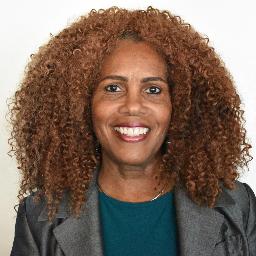
Cynthia Rumford-Jones
LCSW
California - 22 yrs exp











How CBT treats relationship issues
Cognitive behavioral therapy approaches relationship work by helping you and, when relevant, your partner identify patterns of thinking and behavior that contribute to ongoing problems. Rather than focusing only on past events, CBT looks at how current interpretations, assumptions, and responses shape interactions in the present. When you notice negative automatic thoughts about a partner - for example assuming the worst intentions or interpreting silence as rejection - CBT helps you test those beliefs and consider alternative explanations. That shift in thinking often changes how you respond in conversations and conflicts.
Behavioral techniques are an essential part of CBT for relationship concerns. You may work on structured exercises that change interaction patterns, such as practicing new communication skills during sessions, experimenting with different ways of asking for needs to be met, or scheduling positive shared activities to rebuild connection. Therapists often combine cognitive restructuring with behavioral experiments - real-life trials that let you gather evidence for or against a belief. Over time, small changes in thought and behavior can reduce reactive cycles and increase constructive problem solving.
Finding CBT-trained help for relationship work in California
When you search for a therapist in California, look for clinicians who list cognitive behavioral therapy or CBT as a primary approach and who describe experience with relationship issues. California's licensing system includes clinical psychologists, marriage and family therapists, and clinical social workers - any of these professionals may have CBT training. In larger metro areas such as Los Angeles, San Francisco, and San Diego you will typically find a wider range of clinicians with specialized training in CBT-based approaches for couples and relationship-focused therapy.
Start by reviewing profiles to see mentions of CBT, cognitive restructuring, behavioral experiments, or training in evidence-based couples methods. You can often learn whether a clinician has completed additional workshops or certification programs focused on CBT, as well as whether they regularly work with couples, partners, or individuals seeking relationship improvement. Pay attention to descriptions that outline session structure, homework expectations, and how the therapist measures progress - these details help you understand how CBT will be applied to your situation.
What to expect from online CBT sessions for relationship concerns
Online CBT sessions follow many of the same steps as in-person work, with adaptations for a virtual format. You can expect an initial assessment to clarify relationship goals, identify recurring thought patterns, and map interaction cycles that maintain conflict. Therapists typically collaborate with you to set measurable goals - for example improving communication during conflicts, decreasing frequency of hurtful comments, or increasing shared activities. Sessions often include a mix of discussion, skill practice, and planning for behavioral exercises to try between appointments.
If you join online sessions with your partner, you will likely practice communication exercises during the meeting while the therapist observes and guides. For individual sessions focused on relationship concerns, the therapist may help you examine your own triggers and coping strategies so you can engage differently with your partner. Online platforms make it easier to attend from home or from work, and many California therapists offer evening or weekend hours to accommodate busy schedules. Technology does not change the core CBT tasks - assessment, collaborative problem solving, skill building, and homework - but it may require extra attention to session setup, connection quality, and privacy on your end.
Evidence supporting CBT approaches for relationship work
Over decades of research, CBT-based approaches have been widely studied for relationship and couples work. Studies and clinical guidelines often cite CBT techniques as effective for improving communication, reducing distress, and helping partners break out of negative interaction cycles. Cognitive behavioral methods provide a clear framework for identifying the thoughts and behaviors that fuel conflict and for practicing alternatives through structured exercises and homework. That research base is one reason many therapists in California and beyond incorporate CBT into their relationship-focused practice.
It is helpful to remember that research findings describe average effects and typical outcomes, not guarantees. How well CBT works for you depends on the fit between your needs and the therapist's approach, the effort you and your partner are willing to invest in home practice, and practical factors such as session consistency and timing. In many California clinics and private practices you will find therapists who combine CBT with other therapeutic elements to match your personal and cultural context, tailoring interventions to what actually helps your relationship improve.
Tips for choosing the right CBT therapist for relationship work in California
Consider clinical training and experience
When evaluating clinicians, look for clear mention of CBT and experience with relationship or couples issues. You might choose someone who emphasizes couple-specific CBT methods or who brings additional training in communication skills, emotion regulation, or behavioral interventions. In cities like Los Angeles and San Francisco, therapists often list specialized training and workshops on their profiles, which can help you assess whether their background aligns with your preferences.
Assess practical fit and approach
Think about how you want to work - jointly with a partner, individually to address personal patterns that affect relationships, or a combination. Ask potential therapists about session length, homework expectations, and how they measure progress. Some clinicians focus on short-term goal-oriented work with structured homework, while others integrate CBT within longer-term relational therapy. Consider whether you prefer a more directive style that emphasizes skill teaching or a collaborative approach that blends insight with practice.
Logistics matter
Location, availability, and affordability will influence your choice. If in-person sessions are important, check options near where you live or work; major hubs like San Diego and Los Angeles have broad availability, but you may find excellent clinicians across smaller cities as well. If you plan to use online sessions, confirm the clinician's telehealth offerings, typical session times, and any technical requirements. Coverage and payment arrangements vary, so inquire about fees, sliding scale options, and whether the therapist accepts your insurance plan or other payment methods.
Cultural fit and comfort
You want a therapist who understands your cultural background, relationship norms, and life circumstances. Many profiles include notes about populations served, language abilities, and areas of specialty. If cultural competence matters to you, bring it up during an initial conversation. Good rapport and a sense that the therapist respects your values and perspectives are often as important as training in CBT techniques.
Choosing the right therapist is a personal process. If you are unsure, consider scheduling brief consultations with a few clinicians to get a sense of their style and whether their CBT approach feels like a match for your goals. Across California - whether you are in Los Angeles, San Francisco, San Diego, or another community - there are clinicians applying CBT principles to help couples and individuals change unhelpful patterns and build healthier ways of relating. When you are ready, use the listings above to compare profiles, reach out, and take the next step toward clearer communication and more effective interaction in your relationships.