Find a CBT Therapist for Social Anxiety and Phobia in California
This page connects you with Cognitive Behavioral Therapy (CBT) clinicians in California who focus on social anxiety and phobia. Use the listings below to filter by experience, location, and telehealth availability and find the clinician who fits your needs.
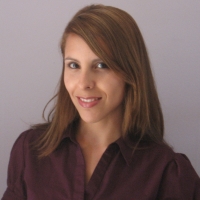







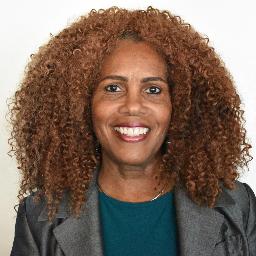
Cynthia Rumford-Jones
LCSW
California - 22 yrs exp









How CBT Treats Social Anxiety and Phobia
Cognitive Behavioral Therapy focuses on the thoughts and behaviors that maintain social anxiety and phobia. In CBT you will work with a therapist to identify patterns of thinking that increase worry before, during, and after social situations. These thoughts often include overestimating negative evaluation by others, assuming the worst possible outcome, or interpreting neutral reactions as rejection. By gently testing those assumptions and developing alternative, more balanced ways of thinking, you begin to reduce the intensity of anxious reactions.
Behavioral work is equally central. You will practice approaching feared situations in a planned way rather than avoiding them. Gradual, repeated exposure to feared social scenarios helps your nervous system learn that anxiety decreases over time without avoidance. Exposure may start with lower-stress situations and progress as you build skills and confidence. Your therapist will pair these exposures with cognitive strategies and new coping skills so that you learn both how to face social situations and how to interpret them differently.
How thoughts and actions connect
CBT emphasizes that thoughts, feelings, and behaviors are linked. If you notice a negative prediction - for example, that a conversation will end badly - that thought shapes your body language, speech, and willingness to engage. Those behavioral signs can then trigger more negative feedback from yourself and sometimes from others, creating a self-reinforcing cycle. In therapy you will test predictions with small behavioral experiments, observe real outcomes, and revise expectations based on evidence rather than fear.
Finding CBT-Trained Help for Social Anxiety and Phobia in California
When you look for a CBT therapist in California, it helps to be specific about the training and experience you want. Therapists trained in CBT will describe techniques like cognitive restructuring, exposure therapy, and behavioral experiments. Many clinicians also list additional certifications or focused training in anxiety disorders. Because California is geographically large, you can search for therapists in urban centers such as Los Angeles, San Francisco, and San Diego, or in suburban and rural areas where clinicians may offer telehealth appointments.
Licensure and professional credentials vary by state, so you will want to check that a clinician holds an appropriate license to practice in California. You can also look for therapists who belong to professional associations or who note supervised training in CBT techniques. If you prefer someone with experience working with teens, older adults, or members of specific communities, read therapist profiles for mentions of relevant populations and culturally informed practice. In major cities like Los Angeles and San Francisco you may find clinicians with specialized experience serving diverse cultural and linguistic needs, while in San Diego or Sacramento therapists may highlight experience with college students, veterans, or workplace anxiety.
What to Expect from Online CBT Sessions for Social Anxiety and Phobia
Online CBT sessions largely follow the same structure as in-person work but with adaptations for a telehealth setting. During your first sessions you and your therapist will assess the specific situations that trigger social anxiety and set clear, measurable goals. You can expect collaborative planning of exposure tasks that are feasible to carry out between sessions, and homework is often a core component of progress. Homework might include short practice exposures, thought records, or role-play activities you try in real-world settings.
Telehealth offers flexibility in scheduling and can make it easier to access clinicians across California, especially if you live outside major urban centers. Your therapist may guide exposures that take place in your daily environment, such as ordering food at a café or starting a conversation with a colleague, and then review those experiences together. Technology can also allow for in-session role play and real-time coaching. Many clients find this direct application helpful because it connects therapeutic learning immediately to everyday life.
Practical considerations for online work
Before starting online sessions, make sure you have a comfortable environment where you can speak and practice exposures without interruption. Discuss with your therapist how to handle moments of intense anxiety during a video call and how to structure between-session tasks. Ask about session length, frequency, and what materials you might use, such as worksheets or recordings. If you prefer occasional in-person work, many California clinicians offer a hybrid approach that blends online and office visits, particularly in cities like San Jose or Sacramento where geographic considerations vary.
Evidence Supporting CBT for Social Anxiety and Phobia
Research and clinical guidelines generally indicate that CBT is an effective approach for reducing symptoms of social anxiety and phobia. The model you will encounter in practice draws on decades of research into cognitive restructuring, exposure, and skills training. While individual outcomes vary, many people experience meaningful reductions in worry about social judgment, improved participation in work or social life, and greater confidence in interpersonal situations after structured CBT treatment.
In clinical settings across California, therapists apply evidence-based CBT methods while tailoring them to each person’s goals and cultural context. If you are curious about the evidence, ask potential therapists how they measure progress and which outcome markers they track. A clinician who uses rating scales or behavioral goals can show you tangible feedback on how your anxiety changes over time, which helps you and your therapist adjust the plan as needed.
Tips for Choosing the Right CBT Therapist in California
Choosing a therapist is a personal decision that depends on fit as much as on professional training. When you review listings, pay attention to how therapists describe their experience with social anxiety and phobia, whether they mention exposure-based work, and how they approach goal setting. You may prefer therapists who emphasize collaborative planning and homework, since practice between sessions is a core element of CBT.
Consider logistical factors such as location, availability, session format, and fees. In larger metros like Los Angeles and San Francisco there may be more clinicians with specialized CBT training, while in other parts of the state telehealth makes it possible to work with experts regardless of distance. If cultural background or language matters to you, look for therapists who explicitly mention those competencies. A brief consultation call can help you get a sense of a therapist's style, whether their approach feels practical and respectful, and how they would tailor CBT techniques to your situation.
Pay attention to how a therapist explains the treatment process. A helpful clinician will describe the balance of cognitive work and behavioral exposure, outline typical session structure, and set expectations for homework and progress. If you have concerns about specific social situations - public speaking, social gatherings, workplace interactions, or dating - ask how the therapist has helped others with similar goals. Clear communication about goals, pacing, and measurement helps you make informed decisions and feel engaged in the process.
Moving Forward with CBT in California
If you decide to pursue CBT for social anxiety and phobia, start by identifying a few therapists whose profiles and descriptions match your needs. Reach out for initial consultations to see how each clinician explains their approach and how comfortable you feel working with them. Remember that effective CBT is a collaborative effort - your active participation, practice between sessions, and open communication with your therapist are central to progress. Whether you connect with someone in Los Angeles, San Diego, San Francisco, San Jose, or Sacramento, you can find clinicians in California who specialize in CBT and who can tailor a treatment plan to help you engage more confidently in social life.