Find a CBT Therapist for Trichotillomania in California
This page connects you with clinicians across California who use cognitive behavioral therapy to treat trichotillomania. Explore the therapist profiles below to compare approaches, locations, and availability.
Use the listings to learn which CBT-trained professionals offer the methods and experience that match your needs.
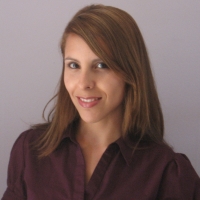

Claudia Santiago
LCSW
California - 12 yrs exp














How CBT Addresses Trichotillomania
If you are looking into cognitive behavioral therapy for trichotillomania, you will find that CBT targets both the thoughts and the actions that contribute to hair pulling. Rather than focusing only on stopping the behavior, CBT helps you understand the triggers, the urges, and the mental patterns that surround pulling episodes. Therapists trained in this approach work with you to identify situations or feelings that increase the urge to pull and to develop alternative responses that reduce the behavior over time.
A common CBT-derived method used for trichotillomania is habit reversal training. In habit reversal training you learn to notice the early signs of an urge and to replace pulling with a competing action that makes pulling difficult or impossible in the moment. That practical skill is paired with awareness exercises so you can recognize patterns - such as times of boredom, stress, or sensory prompts - that tend to precede pulling. Cognitive techniques are added to help you examine beliefs and self-talk that may maintain the cycle, for example thoughts about appearance or shame that can intensify the behavior.
The cognitive component
The cognitive side of CBT helps you tease apart automatic thoughts related to pulling. You will practice identifying unhelpful thinking and testing alternative perspectives. Over time you can reduce the emotional charge that often accompanies urges, which makes it easier to use the behavioral skills you have learned. Therapists teach strategies to manage anxiety and distress without relying on hair pulling, and to build more adaptive coping responses for challenging situations.
The behavioral component
Behavioral strategies focus on changing what you do in response to an urge. In addition to competing responses, therapists may introduce stimulus control techniques - adjustments to your environment that reduce exposure to common triggers. You will also practice gradual exposure to cues in a controlled way to lower reactivity, and set up routines that make tracking progress straightforward. Homework and practice outside sessions are a key part of behavioral change, because consistent application of the skills is what leads to lasting improvements.
Finding CBT-Trained Help in California
When you are searching for CBT-trained clinicians in California, you will want to look for mental health professionals who list experience with body-focused repetitive behaviors or trichotillomania specifically. In larger regions like Los Angeles and the Bay Area there are clinicians who specialize in CBT for these concerns, and in cities such as San Diego and San Jose you may find practitioners who combine CBT with related approaches suitable for your needs. Licensing credentials vary by professional type - psychologists, licensed professional counselors, marriage and family therapists, and clinical social workers all practice CBT - so pay attention to training and specialization beyond the basic license.
You can focus your search on therapists who mention habit reversal training, exposure with response prevention for body-focused repetitive behaviors, or CBT for body-focused conditions. Many therapists list their training, certifications, and the populations they serve on their profiles. If language or cultural competence matters to you, look for clinicians who indicate those skills and who are familiar with the communities you live in or nearby, whether that is Sacramento, San Francisco, or elsewhere in California.
What to Expect from Online CBT Sessions
Online CBT sessions for trichotillomania follow the same general structure as in-person treatment, but with the convenience of meeting from home. Your therapist will begin with an assessment to understand the history and pattern of pulling, current triggers, and your goals for treatment. Early sessions often focus on building awareness of urges and learning initial skills like competing responses. Later sessions concentrate on refining techniques, addressing underlying thoughts, and preventing relapse.
Because much of CBT relies on practice between sessions, online work often includes shared tools such as digital tracking, worksheets, and video demonstrations. If you live in a more rural area of California or you have a schedule that limits clinic visits, telehealth can broaden your access to specialists who might otherwise be located only in major cities. You should ask potential therapists about how they structure between-session practice, their approach to remote work, and what kind of technical set up they recommend for a productive session environment.
Evidence and Effectiveness of CBT for Trichotillomania
Research and clinical experience support CBT approaches, particularly habit reversal training, as useful options for many people with trichotillomania. You should expect a therapist to explain the evidence base and to describe how they adapt established methods to your specific situation. Keep in mind that response to therapy can vary from person to person, and progress is often measured in reductions in urge frequency or intensity rather than immediate elimination of pulling.
In California you can often access clinicians who participate in ongoing professional networks and training, so you might find therapists who stay current with evolving best practices and research findings. If you are interested in programs or clinics in larger urban centers like Los Angeles or San Francisco, ask about their treatment models and whether they offer specialized groups or follow-up resources to support longer term change.
Choosing the Right CBT Therapist for You
Picking a therapist is a personal decision. You should consider whether a clinician has specific training in habit reversal training or CBT for body-focused repetitive behaviors, how comfortable you feel with their style, and practical matters such as location, fees, and appointment times. It is reasonable to ask potential therapists about their experience treating trichotillomania, typical treatment length, and how they measure progress. If you plan to use insurance, confirm whether the therapist accepts your plan and how billing is handled.
Think about whether you prefer in-person sessions near places like San Diego or Los Angeles, or whether you want the flexibility of online appointments. Some people find that meeting with a therapist who has experience with the local community or who speaks their language improves engagement. You should also consider how a therapist supports between-session practice, since consistent application of CBT skills is central to success.
Practical Steps After You Find a Therapist
Once you identify a clinician you want to contact, prepare a few questions to help you evaluate fit. Ask about their approach to habit reversal training, what the first few sessions typically focus on, and what kinds of homework assignments you can expect. Clarify policies about cancellations and how progress is tracked so you can set realistic expectations. If you are comparing options across California, a short initial consultation can give you a sense of rapport and whether the clinician’s style aligns with your needs.
As you move forward with therapy, remember that small changes add up. CBT provides practical tools that you will practice and refine with your therapist. With consistent effort and the right fit between you and your clinician, many people find that they gain more control over urges and build sustainable strategies that improve day-to-day life.
Next steps in your search
Use the therapist profiles on this page to identify clinicians who emphasize CBT and habit reversal training. Narrow your choices by location, availability, and stated experience, then reach out to ask about consultation sessions. Whether you are in a major city like Los Angeles, San Francisco, or San Diego or elsewhere in California, it is possible to find CBT-trained professionals who can help you explore practical steps forward with trichotillomania.