Find a CBT Therapist for Addictions in Colorado
This page connects you with therapists in Colorado who use cognitive behavioral therapy to address addictions. Explore clinician profiles below to compare approaches, locations, and availability.
Whether you live in Denver, Colorado Springs, Aurora or elsewhere in the state, the listings make it easier to find CBT-focused care that fits your needs.
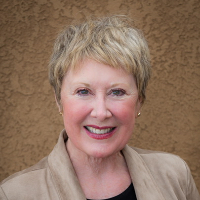




Barbara Mutagamba
LCSW, CSW
Colorado - 5 yrs exp
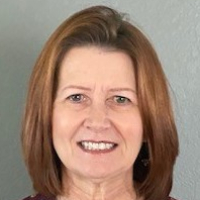
Debbie McCown-Perkins
LCSW, CSW
Colorado - 14 yrs exp












How CBT Treats Addictions: The Basics
Cognitive behavioral therapy approaches addictions by helping you understand the links between thoughts, feelings, and actions. Instead of treating symptoms alone, CBT guides you to identify the situations and mental patterns that prompt substance use or other addictive behaviors. You work with a therapist to map out triggers - such as stress, boredom, or particular social settings - and to test more adaptive thoughts and actions that reduce the urge to use.
Therapists trained in CBT use tools like functional analysis to break down the chain of events that lead to use. You will learn to spot early warning signs, challenge unhelpful beliefs that justify use, and rehearse alternative behaviors. Behavioral techniques such as activity scheduling, exposure to high-risk situations in a controlled way, and skills rehearsal help you build coping strategies that can be used in real life. Over time, repeated practice changes how you respond to cravings and reduces the power of automatic reactions.
Finding CBT-Trained Help for Addictions in Colorado
When you search for a CBT therapist in Colorado, look for clinicians who list addiction work and CBT training on their profiles. Many practitioners in urban centers like Denver and Aurora offer specialized CBT programs for alcohol, drug, gambling, and other behavioral addictions. In smaller communities and college towns such as Fort Collins and Boulder, you may find clinicians who combine CBT with other evidence-based approaches and who understand the local resources available for ongoing support.
Licenses and certifications matter, but practical fit is just as important. You will want a therapist who explains how CBT applies to your situation and who can outline a clear plan for sessions, homework, and measurable goals. Ask about experience with relapse prevention, skills-based interventions, and working with people at different stages of change. If you are balancing work, school, or family, consider practitioners who offer flexible scheduling or evening appointments in Colorado Springs or other nearby cities.
What to Expect from Online CBT Sessions for Addictions
Online CBT sessions can be very similar to in-person work in structure and effectiveness, and they expand access across Colorado. A typical session lasts 45 to 60 minutes and follows an agenda you and your therapist set together. You can expect a mix of talking through recent challenges, practicing a new skill during the session, and agreeing on between-session tasks. Homework is a central feature of CBT - it might include thought records, behavior experiments, or activity planning that helps you apply new skills outside the therapy hour.
Teletherapy makes it easier to connect with clinicians who have specific CBT training for addictions even if they are based in a different part of the state. If you live near Denver or in a more rural county, online options can bridge gaps in local availability. Before you begin, check technical requirements and privacy practices so that you can participate comfortably from your home or another place where you can focus. You should also discuss how crises are handled and what local resources are available in your city, whether you are in Aurora, Boulder, or beyond.
Evidence Supporting CBT for Addictions in Colorado
Research has shown that CBT is an effective method for reducing substance use and supporting recovery for many people. In Colorado, clinicians and academic programs have contributed to the broader evidence base by studying CBT techniques, adapting them to local populations, and integrating them with community supports. CBT's emphasis on skills training, relapse prevention, and measurable progress aligns well with treatment goals in a range of settings, from outpatient clinics to community health centers.
What this evidence means for you is practical: CBT offers a structured way to learn coping strategies that target the thought patterns and behaviors that sustain addiction. While outcomes vary by individual and by type of addiction, many people experience fewer cravings, longer periods of abstinence or reduced use, and improved ability to manage triggers when they engage consistently in CBT. Look for therapists who can explain how research informs their practice and who adapt interventions to your goals, life circumstances, and cultural background.
Local Considerations in Colorado
Colorado's geography and culture influence how treatment is delivered. Urban centers like Denver and Colorado Springs often have a higher concentration of specialty providers, while mountain and rural areas may rely more on teletherapy. You might also find programs that coordinate care with local hospitals, primary care practices, or community supports. When you choose a therapist, ask how they collaborate with other professionals in your area and what local resources they recommend for additional support.
Tips for Choosing the Right CBT Therapist for Addictions in Colorado
Start by clarifying your priorities - whether that is reducing use, stopping entirely, improving relationships, or managing co-occurring anxiety or depression. Then evaluate clinicians based on experience with addictions, formal CBT training, and a clear description of their treatment approach. During an initial consultation, notice whether the therapist explains how CBT works, sets measurable goals, and offers homework that feels achievable. Compatibility matters: you should feel understood and able to work toward change with your clinician.
Practical factors also matter. Confirm licensing and ask about accepted forms of payment, including insurance, sliding scale options, or self-pay rates. Consider location and scheduling - if you prefer in-person work, check availability in cities like Aurora, Denver, Fort Collins, or Boulder. If you need online sessions, ask about their teletherapy platform and how they protect your privacy during appointments. It is reasonable to ask for references to their specialty training in CBT for addictions and examples of typical treatment length so you can plan realistically.
Finally, expect some trial and error. It can take a few sessions to determine whether a therapist's style and plan fit your needs. If you do not feel the connection or progress you expect, it is okay to discuss adjustments or to seek another clinician. Finding the right CBT therapist in Colorado is a collaborative process that balances clinical expertise with what feels supportive and effective for your life.
Next Steps
Use the listings above to search by location, availability, and experience. Contact therapists to ask about their CBT approach to addictions, whether they offer in-person appointments in Denver or Colorado Springs, or teletherapy across the state. With the right match and consistent work, CBT can help you develop tools to manage cravings, handle triggers, and move toward the recovery goals that matter to you.