Find a CBT Therapist for Bipolar in Colorado
This page lists CBT therapists in Colorado who specialize in bipolar disorder. Each profile highlights training in cognitive behavioral therapy, practice locations, and treatment focus. Browse the listings below to compare clinicians and find a match for local care.



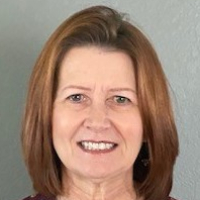
Debbie McCown-Perkins
LCSW, CSW
Colorado - 14 yrs exp

















How CBT Works for Bipolar
Cognitive behavioral therapy, or CBT, is a skills-based approach that helps you understand how thoughts, emotions, and behaviors interact. With bipolar, those interactions often include shifts between periods of high energy and low mood. CBT focuses on identifying thinking patterns that can worsen mood swings and on building behavioral tools that reduce the impact of those patterns. Over time, the approach helps you notice early signs of mood change, test unhelpful thoughts, and practice behaviors that support stability.
The cognitive component involves learning to recognize and reframe thoughts that can escalate distress or reinforce a cycle of symptoms. When you learn to test assumptions and generate alternatives, the intensity of negative or unrealistic thinking can decline. The behavioral component emphasizes structured routines, activity scheduling, and techniques to manage sleep and energy levels. Those practical steps - when practiced consistently - can reduce the disruption that mood shifts cause in work, relationships, and daily functioning.
Specific Mechanisms CBT Uses for Bipolar
CBT uses a set of targeted techniques that are particularly relevant for bipolar mood patterns. Mood monitoring helps you track symptoms and identify triggers so that changes are addressed early rather than after they become overwhelming. Behavioral activation helps counter prolonged low mood by increasing engagement in rewarding activities in a manageable way. For periods of elevated energy or impulsivity, CBT provides strategies to pause and evaluate consequences before acting. Problem-solving skills and stress management techniques also give you tools to handle interpersonal strain and life events without destabilizing mood.
Therapists trained in CBT often integrate relapse prevention plans. These plans map out personal warning signs and practical steps you can take, and they include strategies for coordinating care with prescribers or other providers when needed. The goal is not to replace any medication or other treatments you may be using, but to give you a set of skills that supports long-term stability and improves daily functioning.
Finding CBT-Trained Help for Bipolar in Colorado
When you search for a therapist in Colorado, look for clinicians who specifically note CBT training and experience with bipolar spectrum conditions. Many therapists in urban centers such as Denver, Colorado Springs, and Aurora list specialized training in cognitive and behavioral therapies, but you can also find experienced practitioners in smaller cities like Fort Collins and Boulder. Pay attention to a clinician's descriptions of the techniques they use, whether they include structured mood monitoring, and whether they offer collaborative care with psychiatrists or primary care providers.
It can help to check licensure and training credentials. Colorado requires licensed clinicians to meet state standards, and many therapists will list additional certifications or supervised training in CBT. A therapist's profile often describes the number of years they have used CBT, typical treatment length, and the kinds of goals they focus on with clients. Reading those profiles gives you a sense of whether the clinician emphasizes skills practice, problem-solving, or a more eclectic approach that still centers CBT techniques.
What to Expect from Online CBT Sessions for Bipolar
Online CBT has become a common option in Colorado, offering flexible scheduling and access across the state. If you choose telehealth, expect structured sessions that blend conversation with concrete skills practice. Early sessions often involve assessment, goal-setting, and introduction to mood tracking tools. Later sessions focus on practicing cognitive techniques and behavioral experiments between appointments, so homework and regular monitoring are typical features.
Technology tools are often used to support treatment. Your therapist may use shared worksheets, mood-tracking apps, or secure messaging to review progress between sessions. Session length commonly ranges from 45 to 60 minutes, and frequency may start weekly then taper as you develop skills. You will be encouraged to try techniques in your daily life and bring observations back to sessions for refinement. If you live in Denver, Aurora, or more rural parts of Colorado, telehealth can be a practical way to maintain continuity of care when travel or scheduling is a challenge.
Evidence and Local Considerations
Research literature supports CBT as an effective component of care for bipolar spectrum conditions, especially when combined with mood-stabilizing medication or other medical oversight. Studies indicate that CBT can reduce symptom recurrence and improve coping with residual symptoms, though outcomes vary by individual goals and treatment context. In Colorado, clinicians often adapt evidence-based CBT techniques to local needs, integrating attention to work-life balance, seasonal changes, and community supports that influence mood.
Colorado's diverse geography and lifestyle patterns - from urban life in Denver and Boulder to mountain communities - can affect sleep, routine, and activity levels. A therapist who knows how these factors interact with your daily life can make CBT more relevant. You should look for a clinician who asks about your routine, sleep patterns, and local stressors, and who tailors plans to fit your environment rather than offering one-size-fits-all advice.
Choosing the Right CBT Therapist for Bipolar in Colorado
Choosing a therapist is a personal decision. Start by clarifying what you want from therapy - more stability, better coping with mood swings, improved relationships, or return to work functioning. Use therapist profiles to identify clinicians who emphasize CBT techniques that match your goals. You can contact clinicians to ask about their experience with bipolar, how they structure CBT sessions, typical treatment length, and how they coordinate care with prescribers or other providers.
Consider practical factors as well: whether the therapist offers in-person work in cities like Denver or Colorado Springs, telehealth across Colorado, insurance or sliding scale options, and session times that fit your schedule. During an initial conversation or first session, note whether the therapist explains CBT in a way that makes sense to you, whether they set measurable goals, and whether they ask about your routine and supports. A good fit includes both clinical expertise and a working style that helps you stay motivated to practice skills between sessions.
Preparing for Your First CBT Sessions
Before you begin, gather information about your mood patterns, any medications you take, and recent life events that may influence symptoms. Many therapists ask you to start mood tracking from the first session so you can both see patterns emerge. Be ready to set specific, achievable goals such as improving sleep consistency or reducing impulsive decision-making during elevated periods. Therapy works best when you practice skills regularly, so plan for time between sessions to complete short exercises or tracking tasks.
If you live in Colorado and are balancing work, family, or seasonal activities, bring those constraints into the planning process. A CBT therapist who adapts homework to real-life demands will help you integrate changes more reliably. Whether you are meeting in person somewhere in Aurora or Boulder, or connecting by video from a more remote area, expect therapy to be collaborative and to evolve as you make progress.
Final Thoughts
CBT offers practical tools that can help you manage mood variability and build a life that is less disrupted by bipolar patterns. In Colorado, you have access to clinicians in major metro areas and via telehealth who practice evidence-based CBT approaches. Take time to review profiles, ask about specific CBT strategies for mood monitoring and behavioral planning, and choose a therapist who aligns with your goals and life context. With thoughtful selection and consistent practice, CBT can become a central part of your approach to improving day-to-day stability and functioning.