Find a CBT Therapist for Body Image in Colorado
On this page you will find Colorado-based therapists who focus on body image concerns using cognitive behavioral therapy (CBT). Browse the CBT-focused listings below to compare clinicians and find a provider whose approach matches your needs.
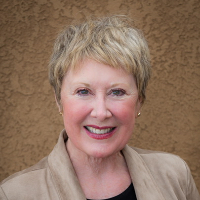


Barbara Mutagamba
LCSW, CSW
Colorado - 5 yrs exp




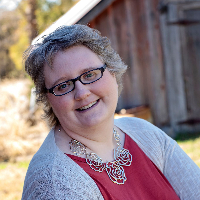


Nicole Kindt
LPC, LCPC
Colorado - 15 yrs exp

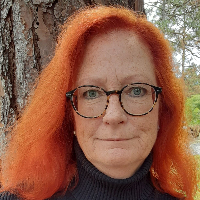


Virginia Dickinson
LCSW, CSW
Colorado - 9 yrs exp









How CBT specifically treats body image concerns
If you are struggling with negative thoughts about your appearance, CBT offers a practical framework to change how you think and what you do. CBT starts from the idea that thoughts, feelings, and behaviors are interconnected. When you notice a harsh self-judgment or an intrusive image about your body, CBT helps you examine the thought, test whether it is accurate, and consider alternative, more balanced perspectives. That cognitive work reduces the intensity and frequency of distressing thoughts over time.
On the behavioral side, CBT addresses the actions that maintain negative body image. You might avoid mirrors, skip social situations, or engage in repetitive checking. A CBT therapist helps you gradually face these situations in a controlled way so you can gather new evidence and learn that feared outcomes are often less likely than your thoughts predict. This combination of cognitive restructuring and behavior change is what makes CBT effective for many people who want to improve body-related self-evaluation and daily functioning.
Cognitive techniques
In sessions you will work on identifying automatic thoughts and the rules you use to judge your body. You will learn techniques such as thought records, cost-benefit analyses, and behavioral experiments. These tools help you see patterns in thinking - for example, the tendency to overgeneralize from a single perceived flaw - and replace unhelpful rules with balanced, realistic statements that reflect multiple perspectives.
Behavioral techniques
Behavioral strategies often focus on exposure and response prevention. Rather than avoiding a situation that triggers body-related anxiety, you would gradually approach it while resisting safety behaviors that keep the fear alive. Over time, exposure reduces avoidance and teaches you that discomfort declines without harmful coping. Therapists may also incorporate activity scheduling to rebuild social engagement and boost positive experiences that are not tied solely to appearance.
Finding CBT-trained help for body image in Colorado
When searching for a CBT therapist in Colorado, you can look for clinicians who list cognitive behavioral therapy or evidence-based approaches on their profiles. Many therapists who specialize in body image will mention specific techniques such as exposure-based interventions, cognitive restructuring, or work with eating disorder behaviors. You may find experienced providers in urban centers like Denver and Aurora, as well as in Colorado Springs, Boulder, and Fort Collins. If you live outside those cities, therapists often offer telehealth options that extend CBT expertise across the state.
It helps to read therapist profiles to learn about their training and focus. Some clinicians have additional certifications or specialized training in body image and eating disorders, while others bring a CBT foundation into broader work on self-esteem and anxiety. Pay attention to descriptions of how they structure treatment and whether they discuss measurable goals and homework, which are common in CBT. You can also look for clinicians who mention collaborative, skills-based work and an emphasis on practical strategies you can apply between sessions.
What to expect from online CBT sessions for body image
If you choose online sessions, your experience will often mirror in-person CBT in structure and content. Sessions typically begin with a review of recent events and homework, followed by focused work on specific thoughts or behaviors. Your therapist may guide you through cognitive exercises in real time, help you plan behavioral experiments, or coach you through exposures using available tools. Online formats make it easier to practice real-world tasks between sessions and to involve interventions that relate directly to your daily environment.
Therapists will often give homework assignments to help you practice new skills. That might include keeping a brief thought record, scheduling an outing you have been avoiding, or completing a mirror exposure exercise. Homework is a core part of CBT because it reinforces learning and helps you track progress. You should expect a collaborative approach in which you and your therapist agree on goals, monitor change, and adjust strategies as needed.
Evidence supporting CBT for body image in Colorado and beyond
Research has shown that CBT-based interventions can reduce negative body image and related symptoms for many people. Studies often report improvements in body dissatisfaction, decreased checking and avoidance behaviors, and enhanced quality of life. While research takes place in many settings, the underlying CBT mechanisms - restructuring biased thoughts and reducing avoidance - are consistent across populations. In Colorado clinics and university settings, clinicians apply these evidence-based techniques in ways that suit local needs and resources.
Evidence-informed practice means your therapist uses techniques that have been shown to help, while also tailoring them to your situation. This might involve adjusting the pace of exposure work, blending CBT with complementary approaches when warranted, or focusing on functional goals such as returning to social activities. When you choose a therapist who emphasizes measurable progress, you can discuss how improvement will be tracked and what outcomes to expect over the course of therapy.
Tips for choosing the right CBT therapist for body image in Colorado
Start by clarifying what matters most to you - whether that is working with someone near a specific city like Denver or Colorado Springs, finding evening availability, or prioritizing experience with certain behavioral interventions. Read profiles to identify therapists who explicitly mention CBT and body image or related concerns. During an initial consultation, ask how they structure CBT for body image, what a typical treatment plan looks like, and how they measure progress. A clear explanation of tasks between sessions and a willingness to tailor exposure work to your pace are good signs of a CBT-oriented approach.
Consider practical factors as well. If you plan to use online sessions, confirm that the therapist offers telehealth across Colorado and that they are familiar with conducting exposure and behavioral work remotely. If in-person care is important, look for clinicians in nearby communities. Trust your sense of fit; the right therapist is someone you feel able to work with on challenging topics, who provides clear guidance, and who helps you translate session work into everyday change.
Moving forward with CBT for body image in Colorado
Taking the first step can feel daunting, but CBT offers a structured path that focuses on skills you can use immediately to reduce distress and regain control over daily life. Whether you are in Denver, Aurora, Boulder, Colorado Springs, Fort Collins, or a more rural part of the state, there are CBT-trained clinicians who can tailor an approach to your situation. Use the listings above to compare therapists, read about their methods, and reach out for a brief consultation to see how they work and whether the approach feels right for you.
With consistent practice, cognitive and behavioral changes often lead to a noticeable shift in how you think about and relate to your body. If you are ready to explore CBT for body image, start by connecting with a therapist who emphasizes measurable goals, collaborative planning, and practical tools you can apply between sessions. That combination is what helps many people make steady, meaningful progress.