Find a CBT Therapist for Depression in Colorado
This page lists Colorado-based therapists who use cognitive behavioral therapy (CBT) to address depression. You will find profiles of clinicians trained in CBT, with information about their approaches and areas of focus. Browse the listings below to connect with a therapist in Denver, Aurora, Colorado Springs, and other Colorado communities.
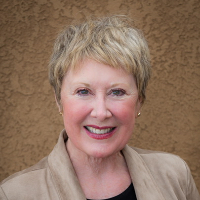




Barbara Mutagamba
LCSW, CSW
Colorado - 5 yrs exp
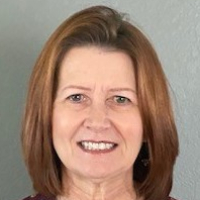
Debbie McCown-Perkins
LCSW, CSW
Colorado - 14 yrs exp


















How CBT specifically treats depression
Cognitive behavioral therapy focuses on the relationship between thoughts, feelings, and actions. When you are experiencing depression, patterns of thinking can become skewed toward negativity, hopelessness, or self-criticism, and those thoughts often shape behaviors that maintain low mood - withdrawing from activities, avoiding social contact, or neglecting routines. CBT helps you identify unhelpful thinking patterns and test them against evidence, while also introducing behavioral changes that restore energy and increase meaningful activity. By addressing both the cognitive and behavioral sides of depression, CBT aims to reduce the cycle that keeps low mood in place and to give you practical tools you can use day to day.
Cognitive mechanisms
In CBT sessions you will work with a therapist to notice automatic negative thoughts and the assumptions that underlie them. The process is collaborative - your therapist helps you examine whether those thoughts are accurate, biased, or based on unhelpful rules. Over time you learn to develop alternative, more balanced ways of thinking. That shift in cognitive habits can alter how you interpret events, how you feel about yourself, and how you respond to challenges.
Behavioral mechanisms
Behavioral work in CBT focuses on actions that can change mood directly. This can include scheduling activities that bring a sense of accomplishment or pleasure, gradually re-engaging with social contacts, and practicing problem-solving for everyday obstacles. Behavioral experiments give you opportunities to test out new approaches and gather evidence that change is possible. The combination of challenging negative thoughts and increasing constructive behaviors creates a feedback loop that supports recovery.
Finding CBT-trained help for depression in Colorado
When you search for a CBT therapist in Colorado, look for clinicians who describe specific training or experience in cognitive behavioral methods. Many therapists in larger Colorado communities such as Denver, Aurora, and Colorado Springs list CBT as a primary orientation, and you will often find clinicians who have additional training in mood disorders or related skills like behavioral activation and structured problem-solving. In smaller cities and mountain communities you may find therapists who work with a mix of evidence-based approaches but emphasize CBT principles. Licensing and local professional boards provide information about a clinicianâs credentials, and many profiles will note certifications or participation in CBT workshops or supervision.
Consider whether you prefer in-person sessions near you or remote care. Colorado has a mix of in-office and virtual options, so you can search by location and read profiles to find someone whose schedule, location, and fees match your needs. If proximity matters, focus your search on neighborhoods in Denver, clinicians near the military communities around Colorado Springs, or providers offering flexible hours for commuters in Aurora.
What to expect from online CBT sessions for depression
Online CBT sessions follow much of the same structure as in-person therapy but offer added convenience if you live in a rural area or prefer to meet from home. A typical session is structured around agendas you agree on together - reviewing progress from the previous week, working on a specific skill or thought pattern, and setting behavioral tasks to practice. Many therapists integrate worksheets or structured exercises that you can complete between sessions to reinforce learning. Technology can make it easier to share materials and track mood over time, and online care often makes scheduling more flexible so you can find appointment times that fit work or family commitments.
To get the most from online CBT, plan to have a quiet area where you can speak without interruption, good internet connection, and a way to access any worksheets or resources your therapist recommends. Privacy and professional standards are important, so ask a clinician how they protect your information and what to expect about record keeping and session notes. If you prefer a mix of distance and in-person sessions, many therapists will accommodate a hybrid approach depending on state regulations and their practice model.
Evidence supporting CBT for depression in Colorado
CBT is one of the most studied psychotherapies for depression and is widely used by clinicians across Colorado. Research over several decades has documented how structured cognitive and behavioral strategies can lead to meaningful reductions in depressive symptoms for many people. Clinicians in academic centers and community practices in Denver, Boulder, and other Colorado cities often use CBT techniques in combination with other supports when appropriate, tailoring interventions to each client's needs. Local mental health clinics and university training programs also contribute to the availability of CBT-trained therapists through continuing education and supervised practice.
While no single approach works for everyone, the evidence base for CBT means you are likely to encounter therapists who can explain why certain exercises are used and how they relate to your goals. That transparency helps you evaluate progress and make an informed choice about the next steps in your care.
Tips for choosing the right CBT therapist for depression in Colorado
Start by clarifying what matters most to you: the therapistâs training in CBT, experience with depression, appointment availability, insurance or fee options, language, or cultural fit. Read therapist profiles to see whether they emphasize structured CBT techniques like cognitive restructuring, behavioral activation, exposure for activity avoidance, or relapse prevention. When you contact a clinician, ask about their experience working with depression and whether they frequently use CBT tools in their sessions. You can inquire about typical session length, homework expectations, and how progress is measured. If you live near Denver or Aurora you may have more choices for evening or weekend appointments, while in Colorado Springs or mountain towns you might prioritize clinicians who offer flexible telehealth hours.
Pay attention to practical matters as well. Ask about insurance participation and sliding scale options if cost is a concern. If cultural or identity factors are important to you, look for therapists who list experience with specific communities or who speak your preferred language. Many therapists offer a brief phone or video consultation at no charge - use that initial conversation to see whether you feel heard, whether the therapist's approach feels like a good match, and whether the CBT structure they describe fits your expectations.
Preparing for the first few CBT sessions
In the first session you can expect an assessment of current symptoms, discussion of your goals, and an introduction to the CBT model. Your therapist will work with you to create a plan that breaks larger goals into manageable steps. Early sessions often involve identifying key thoughts and behaviors to target and agreeing on small tasks to try between meetings. Over the next several weeks you will practice skills, monitor mood, and review what helps and what does not. Change tends to be gradual, and the emphasis on skills practice means you will be learning tools you can continue to use after formal therapy ends.
Finding the right CBT therapist in Colorado may take a few conversations, but with clear expectations and a focus on practical strategies you can engage in a collaborative process aimed at reducing depressive symptoms and improving daily functioning. Whether you search in Denver, Boulder, Colorado Springs, Aurora, or the Front Range and mountain communities, there are clinicians who specialize in CBT and can work with you to develop a plan that fits your life and goals.