Find a CBT Therapist for Eating Disorders in Colorado
This page connects visitors with Colorado clinicians who use Cognitive Behavioral Therapy to address eating disorders. Explore therapist profiles below to compare approaches, training, and availability, then browse listings to contact clinicians in your area.
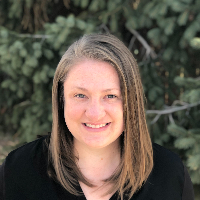
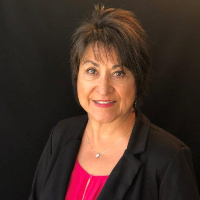
Debbie McCown-Perkins
LCSW, CSW
Colorado - 14 yrs exp

















How Cognitive Behavioral Therapy works for eating disorders
Cognitive Behavioral Therapy, often shortened to CBT, focuses on the connections between thoughts, feelings, and behaviors. When it comes to eating disorders, CBT works by helping you spot patterns of thinking that contribute to restrictive eating, bingeing, purging, or excessive compensatory behaviors. Your therapist helps you test and revise unhelpful beliefs about food, weight, and self-worth while teaching behavioral strategies that reduce avoidance and interrupt cycles that maintain symptoms.
The work typically blends cognitive techniques - such as identifying automatic thoughts, examining evidence, and restructuring rigid rules - with behavioral interventions like activity scheduling, exposure to feared foods, and regular eating plans. Self-monitoring is a core element: you and your therapist will often review food and mood logs to identify triggers and measure progress. Over time the aim is to replace rigid, punitive thinking with more balanced perspectives and to develop practical routines that reduce the intensity and frequency of disordered behaviors.
Finding CBT-trained help for eating disorders in Colorado
When you search for CBT-focused care in Colorado, you will find clinicians working in a range of settings from urban private practices to community clinics and university-affiliated programs. Major population centers such as Denver, Colorado Springs, Aurora, Fort Collins, and Boulder have clinicians with specific training in CBT for eating disorders, including enhanced CBT models that tailor techniques to the needs of people with bulimia nervosa or binge-eating disorder. If you are outside a city center, telehealth options expand access to clinicians with specialized training, so you can connect with therapists licensed to practice in Colorado from a distance.
Look for clinicians who describe training or certification in CBT for eating disorders, mention manualized approaches like enhanced CBT or CBT for eating disorders, or who list supervised experience treating disordered eating. Many clinicians work as part of a team that includes registered dietitians and medical professionals. That collaborative approach can be especially helpful because eating concerns often intersect with nutritional and medical questions that benefit from an integrated plan of care.
What to expect from online CBT sessions for eating disorders
If you choose online CBT, sessions typically mirror in-person treatment in structure and content. You can expect weekly sessions that last about 45 to 60 minutes, though frequency may vary early in treatment. Each session often begins with a review of your self-monitoring records and any homework exercises. The therapist will guide you through cognitive techniques to examine and modify unhelpful thoughts and will support behavioral work such as setting regular eating schedules, practicing exposure to feared foods, and conducting behavioral experiments between sessions.
Homework and practice are central to progress. Your therapist will likely assign brief, measurable tasks to complete between sessions, such as trying a particular meal pattern or testing an alternative thought when anxiety arises. For younger clients, family-based elements may be included with guidance on meal support and communication. To get the most from online sessions, prepare a quiet, comfortable environment, a reliable internet connection, and a way to share notes or worksheets with your clinician. Online care also makes it easier to involve other providers and to continue therapy if you relocate within Colorado.
Evidence supporting CBT for eating disorders in Colorado
Research across the United States has established CBT as a widely endorsed, evidence-based approach for many forms of disordered eating, particularly bulimia nervosa and binge-eating disorder. In Colorado, clinicians and training programs draw on this evidence base, and many local therapists adapt proven CBT protocols to the needs of their clients. Clinical programs and community providers across Denver and surrounding areas often emphasize empirically supported methods when treating eating-related concerns, which means your CBT clinician is likely to employ strategies validated in clinical research while tailoring them to your circumstances.
It is important to know that treatment outcomes depend on the match between approach and individual needs. For some conditions, such as severe restrictive eating, CBT is commonly integrated with medical and nutritional care or combined with other therapeutic approaches to create a comprehensive plan. Discussing the evidence and expectations with your clinician can help you understand how CBT is being applied in your situation and what realistic goals you can pursue together.
Tips for choosing the right CBT therapist in Colorado
Finding a clinician who is a good fit begins with clear questions during an initial contact or consultation. Ask about the therapist's specific experience treating eating disorders with CBT and whether they have training in enhanced or disorder-specific CBT approaches. Inquire about how they incorporate behavioral strategies like regular eating schedules and exposure work, and whether they collaborate with dietitians and medical providers. If you have co-occurring concerns such as anxiety, depression, or a history of trauma, ask how those issues are addressed alongside eating-focused treatment.
Consider practical factors as well. Check licensure to confirm the clinician is authorized to practice in Colorado, and ask about appointment availability, fees, insurance acceptance, and sliding scale options if cost is a concern. If location matters to you, search listings by city to find clinicians in Denver, Colorado Springs, Aurora, Fort Collins, or Boulder. If you prefer remote sessions, verify that the provider offers telehealth and how they handle coordination with local medical care when needed.
Therapeutic fit is often as important as credentials. A good therapist will explain their approach in plain language, invite your questions, and outline how progress will be tracked. You should feel that your therapist listens to your goals and offers a clear plan that aligns with them. If a first clinician does not feel like the right match, it is reasonable to explore other profiles until you find someone whose style and plan resonate with you.
Preparing for your first sessions and planning next steps
Before starting treatment, gather any relevant medical or nutritional information that may inform care, such as recent lab results or notes from other providers. Think about your goals for therapy - whether you want to reduce binge episodes, stop restrictive patterns, address body image concerns, or build healthier routines - and be ready to share these with your clinician. Early sessions typically involve assessment, goal setting, and establishing a practical plan of behavioral steps and cognitive work. You and your therapist will set expectations about homework, check-ins, and how progress will be evaluated.
Recovery from eating concerns is often not linear, and setbacks can occur. A CBT-trained clinician will help you build strategies for relapse prevention and ways to respond if symptoms return. Many people find that ongoing, focused work with a CBT therapist leads to clearer thinking about food and body image and to sustainable changes in daily routines. Connecting with a therapist who specializes in this work in Colorado can give you access to clinicians who understand both the clinical techniques and the local resources that support recovery.
Next steps
Use the listings above to find CBT-trained clinicians in your area or to explore telehealth options. Reach out for a brief consultation to ask about experience, methods, and logistics, and trust your judgment about fit. With a clinician who applies CBT thoughtfully and with attention to your unique needs, you can build practical skills to address eating disorder symptoms and create a more balanced relationship with food and body image over time.