Find a CBT Therapist for Obsession in Colorado
This page highlights licensed CBT clinicians across Colorado who focus on treating obsession. Use the listings below to explore therapists by location, approach, and availability with CBT-based care.
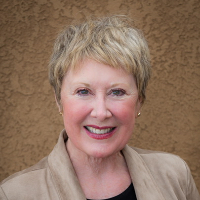

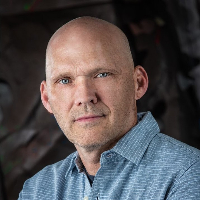

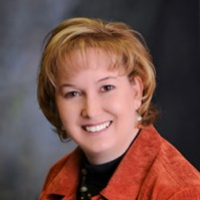
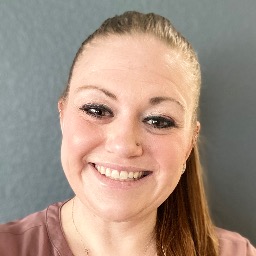
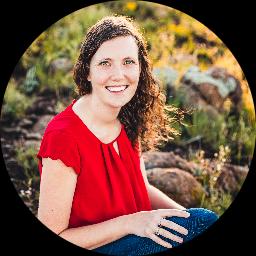
Nicole Kindt
LPC, LCPC
Colorado - 15 yrs exp








How CBT Addresses Obsession
When obsession becomes frequent or distressing it often involves a cycle of intrusive thoughts, anxious reactions, and behaviors aimed at reducing immediate discomfort. Cognitive behavioral therapy, or CBT, targets both sides of that cycle - the thinking patterns that amplify distress and the actions that keep the cycle alive. In practice you work with a clinician to identify unhelpful beliefs and mental habits that make obsessions feel more threatening. At the same time you practice behavioral strategies that reduce avoidance and neutralizing behaviors so the mind learns a different response to intrusive thoughts.
One widely used component of CBT for obsession is exposure with response prevention. Exposure means intentionally approaching thoughts, images, or situations that trigger obsessive worry while response prevention means refraining from the rituals or mental maneuvers that used to follow. Over repeated sessions you learn that the urge to act diminishes without doing the ritual, and your sense of control over intrusive thoughts strengthens. Cognitive restructuring complements exposure work by helping you test and reframe beliefs about threat, responsibility, and certainty so those thoughts hold less power over your choices.
Finding CBT-Trained Help for Obsession in Colorado
Colorado has a broad network of clinicians trained in CBT and related evidence-based methods. You can search for therapists in urban centers such as Denver, Colorado Springs, and Aurora as well as university towns like Boulder and Fort Collins. Many clinicians in Colorado receive specialized training in exposure-based methods and attend continuing education offerings to stay current with best practices. When you review profiles pay attention to listed training in CBT or exposure therapies, years of experience with obsession-related concerns, and whether the clinician mentions specific techniques that match your needs.
If you prefer in-person sessions, clinics and individual practices in major cities often offer daytime and evening appointments to fit work and school schedules. If you live in a smaller town or have mobility constraints, many Colorado clinicians also provide remote sessions. Licensing in Colorado means therapists typically hold credentials such as Licensed Professional Counselor, Licensed Clinical Social Worker, Licensed Marriage and Family Therapist, or a psychology doctorate. These credentials indicate professional standards and state oversight, which can help you evaluate clinicians as you compare options.
What to Expect from Online CBT Sessions for Obsession
Online CBT sessions follow the same core principles as in-person work but adapt the format for video or telehealth. Your clinician will complete an initial assessment to understand the nature of your obsessions, any avoidance or rituals, and how these behaviors affect daily life. Together you will develop a treatment plan with concrete goals and steps. Early sessions often focus on psychoeducation - learning how obsession operates and why exposure and cognitive work can change the pattern - followed by planning exposures and establishing practice assignments between sessions.
During remote exposure work your therapist will guide you through exercises that can be done at home or in the community. Homework is a typical part of CBT; you record your experiences, practice exposure tasks, and track changes in how distress rises and falls. Sessions usually last 45 to 60 minutes and may be weekly at first, with spacing adjusted as you make progress. If you live in Colorado and choose remote care you will want to confirm that the clinician is licensed to practice in the state and that their scheduling accommodates time zone or local needs.
Evidence Supporting CBT for Obsession
Research over several decades supports CBT, and particularly exposure with response prevention, as an effective approach for reducing obsessive symptoms and improving daily functioning. Clinical trials and practice guidelines emphasize repetitive, structured exposure and cognitive work as core ingredients that lead to lasting change. In Colorado, many clinicians integrate these evidence-based protocols into community mental health, university clinics, and private practices, adapting them to the local population and cultural context.
Evidence-based care also means tracking progress. Your therapist may use standardized measures to monitor symptom changes and adjust treatment accordingly. This data-driven approach helps you and your clinician see what is working and where to intensify focus. Research findings apply broadly, but individual results vary. A skilled CBT clinician tailors methods to your situation, pace, and values so the evidence translates into meaningful change for your life.
Choosing the Right CBT Therapist for Obsession in Colorado
Picking a therapist is both practical and personal. Start by identifying therapists who explicitly state training in CBT and exposure-based methods. Read profiles to learn about their clinical focus, years of experience, and how they describe the therapy process. You may want to prioritize clinicians who emphasize collaborative treatment planning, measurable goals, and the use of homework exercises. If a therapist mentions experience with co-occurring concerns such as anxiety or trauma, that can be helpful because obsession often appears alongside other symptoms.
Consider logistics that matter to your life. Think about whether you prefer in-person sessions in Denver or Boulder, or whether online appointments are a better fit for your schedule. Check whether the clinician offers evening slots, how they handle cancellations, and whether they accept your insurance or offer sliding scale fees. A brief initial call or consultation can help you assess rapport - do you feel heard and understood, and does the clinician explain CBT strategies in a way that makes sense to you? Good therapeutic fit increases the chance that you will complete homework and stick with the process through challenging exposures.
Practical Steps Before Your First Session
Before your first appointment gather some helpful information: note typical situations that trigger obsessive thoughts, any rituals or safety behaviors you perform, and the ways obsession affects work, relationships, and daily routines. Share this history with your clinician so they can tailor early sessions toward the patterns that matter most. Ask about the expected length of treatment, what homework looks like, and how progress is measured. Clear expectations make it easier to stay engaged when assignments feel uncomfortable because you understand the rationale behind them.
If you live in Colorado Springs, Aurora, or another community, consider whether you want a clinician who specializes in the cultural or demographic context of your area. Some therapists have experience with specific populations such as students, military families, or different age groups. Discussing these preferences during an initial consultation will help you find someone whose expertise aligns with your needs.
Moving Forward with Confidence
Seeking CBT for obsession is a practical step toward changing how you respond to intrusive thoughts. You will likely find a range of clinicians across Colorado who offer evidence-based approaches and who can adapt treatment to your life, whether you prefer in-person sessions in the city or remote appointments that fit a busy schedule. Take your time reviewing profiles, ask questions about training and methods, and look for a therapist who explains CBT and exposure in a way that feels understandable and respectful of your pace.
Therapy is a collaborative process. With consistent practice, clear goals, and a clinician skilled in CBT methods, many people notice reduced intensity of obsessive thoughts and greater freedom in daily choices. Use the listings above to begin comparing therapists in Denver, Boulder, Fort Collins, Colorado Springs, and Aurora, and reach out to schedule an initial conversation that helps you decide who is the best fit for your journey.