Find a CBT Therapist for OCD in Colorado
This page lists Colorado therapists who focus on cognitive behavioral therapy for obsessive-compulsive disorder. You will find clinicians practicing CBT and exposure-based approaches across the state to help you explore options and reach out for care.
Browse the listings below to compare specialties, locations, and availability in Denver, Colorado Springs, Aurora, Fort Collins, Boulder and beyond.
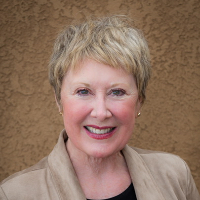



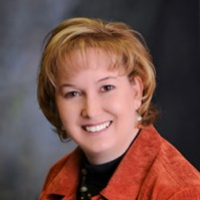
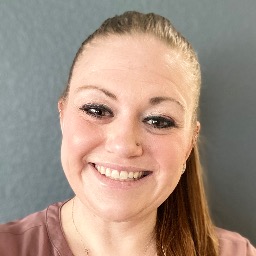
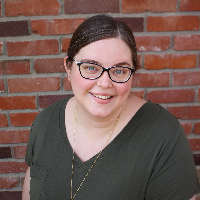
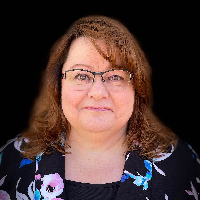
Nicole Kindt
LPC, LCPC
Colorado - 15 yrs exp









How CBT Specifically Treats OCD
Cognitive behavioral therapy for obsessive-compulsive disorder brings together two complementary pathways - cognitive work that addresses unhelpful beliefs and behavioral work that changes how you respond to distressing thoughts and urges. The approach recognizes that intrusive thoughts are common, but the patterns of interpretation and response give them power. CBT helps you learn to separate the appearance of an unwanted thought from the meaning you assign to it, and it gives you strategies to tolerate discomfort without performing rituals that maintain the cycle.
On the cognitive side, you will explore the assumptions and rules that feed compulsions - for example, an overestimation of threat, intolerance of uncertainty, or inflated responsibility for preventing harm. Through guided questioning and behavioral experiments you test these beliefs in everyday situations so they lose their automatic authority. Over time you build more flexible, reality-based ways of appraising intrusive thoughts.
Behavioral techniques, and in particular exposure with response prevention, are central to CBT for OCD. Exposure involves confronting feared images, sensations, situations, or thoughts while response prevention means refraining from the rituals or avoidance behaviors that typically follow. When you repeat these exposures in a structured way, your nervous system gradually reduces its exaggerated alarm response and your confidence grows that you can tolerate distress. Therapists tailor exposures to your specific concerns and pace the work so you can build mastery while feeling supported.
The role of homework and measurement
Therapy sessions are only part of the work. Your therapist will assign exercises to practice between sessions, help you track patterns and progress, and use brief measures to monitor symptom change. This ongoing practice and data collection allow you and your clinician to adjust strategies and focus on the most helpful techniques for your situation.
Finding CBT-Trained Help for OCD in Colorado
When you search for CBT clinicians in Colorado, focus on training and experience with OCD and exposure-based methods. Many therapists will list CBT and ERP on their profiles, along with additional certifications, workshops, or supervised experience specific to obsessive-compulsive presentations. If you live near larger metro areas like Denver, Colorado Springs, Aurora, Fort Collins or Boulder, you may find clinicians who specialize in particular OCD subtypes such as contamination, health-related obsessions, checking or intrusive sexual or religious thoughts.
Consider whether you prefer someone who works with adults, adolescents, or both, and whether you want an individual therapist or a clinician who can coordinate with family members when that is helpful. Check that a prospective therapist describes a structured, evidence-based approach rather than a general problem-solving model. When in doubt, send a short message asking about their experience with ERP and how they structure treatment for OCD.
What to Expect from Online CBT Sessions for OCD
Telehealth has become a practical option across Colorado, especially for people who live outside urban centers or have limited local access to specialists. Online CBT sessions follow the same principles as in-person work but adapt exposure exercises to what you can do at home or in your community. You will meet with your therapist via video to review your progress, plan exposures, and receive coaching while you practice. Therapists often ask you to set up a designated, distraction-free area in your home for sessions and to have any needed materials on hand.
During an online exposure session your therapist may guide an imaginal exposure if a real-life situation is not feasible, or they may coach you through an in-the-moment exposure while observing via video. Homework remains central, and your therapist will help you design tasks that are doable within your day-to-day life. Technology considerations include a reliable internet connection and a device with video capability. You should also agree on a plan to manage distress if it becomes intense between sessions, including who to call locally in an urgent situation.
Evidence Supporting CBT for OCD in Colorado
The evidence base for CBT and exposure with response prevention is strong and recognized across clinical guidelines. Research consistently shows that CBT reduces the frequency and intensity of compulsive behaviors and helps people develop effective coping strategies. In Colorado, clinicians in both urban and rural settings use these approaches and adapt them to local community needs, drawing on training offered by local professional groups and continuing education programs.
If you review clinic descriptions or academic training programs in the state, you will find a focus on evidence-based practice and ongoing evaluation of outcomes. That means many therapists in Colorado will be familiar with standardized ways to measure symptom change and will be able to discuss expected timelines for improvement, typical challenges, and ways to tailor treatment to your daily life and values.
Tips for Choosing the Right CBT Therapist for OCD in Colorado
Choosing a therapist is a personal decision and there are several practical questions you can use to narrow options. Start by asking about a clinician's specific experience with OCD and exposure-based methods - how long they have worked with OCD, whether they have supervised ERP training, and examples of the kinds of exposures they have used. Ask how they measure progress so you can see whether the approach is producing the change you want. It is reasonable to inquire about typical session length, frequency, and the expected number of sessions for your goals.
Think about logistics as well. Decide whether you prefer in-person sessions in a nearby city such as Denver or Aurora, or whether online care fits your schedule better. If transportation or work hours are a concern, telehealth may make consistent participation easier, especially if you live outside larger towns. Cost and insurance are also important - ask if the therapist accepts your insurance, offers a sliding fee arrangement, or can provide documentation for out-of-network reimbursement.
Match and rapport matter. During an initial consultation pay attention to how the therapist explains ERP and whether they balance challenge with empathy. You should feel heard about what matters most to you and get clear information about how treatment will proceed. If you have cultural or identity needs, look for clinicians who demonstrate cultural competence and an understanding of how OCD may interact with those aspects of your life. It is acceptable to try a few consultations to find someone who feels like a good fit.
Making a Plan for Care
Once you decide on a therapist, collaborate on a treatment plan that outlines goals, practical milestones, and how to manage setbacks. Good CBT for OCD is collaborative and time-limited in the sense that it focuses on skills you can carry forward. Your therapist should prepare you for challenging moments during exposure work and help you identify supports in your daily life. If you live in Colorado and anticipate seasonal stressors or relocation, discuss continuity of care so your progress is maintained across changes.
Finding the right CBT therapist in Colorado can open a path to more manageable symptoms and greater day-to-day freedom from rituals and avoidance. Whether you begin care in Denver, meet with a clinician in Colorado Springs, or work online with someone across the state, you can expect a structured, skills-based approach that targets the core features of OCD. Use the listings on this page to compare profiles, read clinicians' statements about their approach, and reach out for an initial conversation. Taking that first step can help you learn how CBT and exposure work in your life and set the stage for meaningful change.