Find a CBT Therapist for Self Esteem in Colorado
This page helps you find Colorado clinicians who use cognitive behavioral therapy to address self esteem concerns. Browse the listings below to compare therapists by training, approach, and availability.
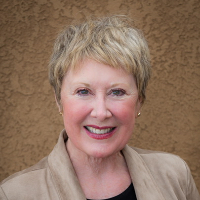




Barbara Mutagamba
LCSW, CSW
Colorado - 5 yrs exp
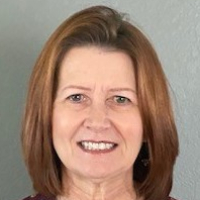
Debbie McCown-Perkins
LCSW, CSW
Colorado - 14 yrs exp

















How CBT Addresses Low Self Esteem
Cognitive behavioral therapy approaches self esteem by examining the thoughts and behaviors that maintain negative self-evaluations. In CBT you learn to identify automatic thoughts - the quick, often unexamined ideas that pop into your head in social situations, at work, or when you try something new. Those thoughts reflect deeper assumptions and core beliefs about who you are and what you deserve. When those beliefs are harsh or self-critical they shape how you act, which can reinforce the belief in a cycle. CBT interrupts that cycle by helping you test and revise unhelpful thoughts and by encouraging new patterns of behavior that provide corrective experiences.
Therapists trained in CBT use cognitive techniques such as thought records, Socratic questioning, and behavioral experiments to help you gather real-world evidence about your abilities and worth. Behavioral strategies include activity scheduling to increase opportunities for mastery and pleasure, graded exposure to feared situations that trigger self-doubt, and skills training in areas like assertiveness and social problem solving. Over time those cognitive shifts and behavioral changes help rebuild a more balanced and resilient sense of self.
Finding CBT-Trained Help for Self Esteem in Colorado
When you search for a CBT therapist in Colorado, look for clinicians who are explicit about using CBT for self esteem work. Many therapists combine CBT with complementary approaches, but transparency about training and methods matters because CBT tends to be goal-oriented and skill-based. You can start by filtering listings for clinicians who list cognitive behavioral therapy, cognitive restructuring, or behavioral activation among their approaches. Consider whether you prefer someone who focuses on adults, adolescents, or specific life stages, since self esteem challenges can show up differently at different ages.
Geography matters if you prefer in-person sessions. Colorado has a wide range of options from urban centers to mountain communities. If you live near Denver, Denver metro clinicians often offer a mix of daytime and evening appointments to accommodate busy schedules. Colorado Springs and Aurora also have experienced CBT practitioners who work with self-esteem concerns and often bring familiarity with local community resources. Fort Collins and Boulder have mental health providers with training in evidence-based CBT methods and connections to university-based training programs. If you live outside those cities, many practitioners offer telehealth sessions that maintain the same CBT structure as in-person work.
What to Expect from Online CBT Sessions for Self Esteem
Online CBT sessions typically follow a similar rhythm to in-person therapy but with some practical adaptations. Sessions are usually 45 to 60 minutes and involve setting a clear agenda, reviewing homework or practice exercises, and learning or practicing new skills. Your therapist will guide you through cognitive techniques, help you plan behavioral experiments, and ask about results from the previous week. Homework is a core part of CBT; you can expect to complete thought records, mood tracking, or graded exposure tasks between sessions to accelerate progress.
In an online setting many therapists will share worksheets, thought logs, and psychoeducational resources electronically, and they may use screen sharing to model techniques in real time. You should discuss what platform and communication methods a therapist uses before beginning so you know how materials will be exchanged and how to reach them between sessions when necessary. Online work can be especially helpful if you need flexibility or if you live farther from major centers like Denver or Boulder, since it expands the pool of available clinicians.
Evidence Supporting CBT for Self Esteem
Research on CBT shows consistent benefits for patterns of negative thinking and behaviors that underlie low self esteem. Studies often measure changes in self-appraisal, self-efficacy, and interpersonal confidence, and CBT has been associated with measurable improvements across these domains. While much of the literature focuses on clinical conditions such as depression or anxiety, the same cognitive and behavioral principles are applied when the primary concern is self esteem. Many clinicians in Colorado base their practice on these evidence-based techniques and track outcomes to ensure interventions are working.
Local practitioners often receive ongoing training through regional workshops and professional networks, which helps keep treatment aligned with current research. In cities with academic centers and training programs you may find clinicians who participate in outcome monitoring or who use standardized scales to chart progress. When you ask a therapist about evidence, you can inquire how they measure improvement and whether they use specific CBT tools that have been tested in research settings. That conversation can give you confidence that the approach you choose is grounded in methods that have empirical support.
Practical Tips for Choosing the Right CBT Therapist in Colorado
Begin by clarifying what matters most to you - whether it is therapist availability, experience with self esteem specifically, cultural fit, or affordability. When you read profiles, pay attention to descriptions of CBT training, use of homework, and examples of work with self esteem issues. A good clinician will be able to describe how they structure therapy sessions and what kinds of techniques they commonly use, such as cognitive restructuring or behavioral experiments. You can reach out to ask about their experience with clients who share your background or circumstances, and whether they track progress with measurable goals.
Consider logistics early on. If you need evening appointments because of work, mention that when you contact a therapist. Ask about insurance participation, sliding-scale options, and whether they offer a mix of in-person and online sessions. If you live near Denver, Aurora, or Colorado Springs and prefer face-to-face meetings, check the therapist's office location and transit or parking options. If you are open to online work, you may have more choices across Fort Collins, Boulder, and other parts of the state. Finally, trust your sense of fit. The therapeutic relationship itself plays a major role in effective CBT - you should feel heard and that the therapist's style matches the way you like to learn and practice new skills.
Preparing for Your First CBT Sessions
Before your initial appointment, think about concrete situations where low self esteem affects you. Bring recent examples of times when self-criticism influenced a choice at work or in relationships, or when you avoided an opportunity due to worry about judgment. Having concrete instances helps the therapist tailor cognitive and behavioral interventions to your lived experience. Expect the first sessions to include a focused assessment of thoughts, feelings, and behaviors, discussion of treatment goals, and an explanation of what CBT will look like. Many therapists will begin with a small, achievable activity to practice between sessions so you can start testing new ways of thinking right away.
Making Progress and Maintaining Gains
Progress in CBT for self esteem often occurs gradually as you accumulate successes that challenge old negative beliefs. You will likely notice shifts in how you interpret feedback, compare yourself to others, and take on new challenges. Your therapist will help you plan for setbacks and develop relapse prevention strategies so gains are lasting. In Colorado you can supplement therapy with community resources, group skills training, or workshops that reinforce CBT techniques. Wherever you live in the state, the most important elements are consistent practice, measurable goals, and a collaborative relationship with a clinician who understands CBT for self esteem.
Next Steps
Use the listings above to explore therapists' profiles, training, and client focus so you can find a CBT clinician who fits your needs. Whether you prefer in-person visits in Denver, Colorado Springs, Aurora, Fort Collins, or Boulder, or you want to work online, you can find clinicians who apply evidence-based CBT methods to support healthier self regard and lasting behavioral change.