Find a CBT Therapist for Social Anxiety and Phobia in Colorado
This directory page highlights therapists in Colorado who specialize in cognitive behavioral therapy (CBT) for social anxiety and phobia. Browse local listings, read clinician profiles, and find CBT-focused care options across the state.
Use the listings below to compare clinicians who emphasize evidence-based CBT approaches and find a provider who matches your needs and preferences.
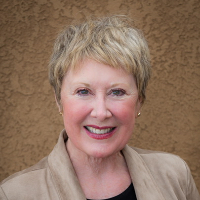







Brandi Garner
LPC
Colorado - 5 yrs exp













How CBT treats social anxiety and phobia
Cognitive behavioral therapy is built around the idea that thoughts, feelings, and behaviors are connected. When you face social situations, patterns of anxious thinking can drive avoidance and safety behaviors that reinforce fear. CBT helps you identify those patterns, test them against reality, and gradually change the behaviors that keep anxiety alive. The process combines careful examination of thinking habits with structured behavioral work so that change happens both in how you interpret situations and in what you actually do when anxiety arises.
Cognitive mechanisms
In CBT you will learn to notice automatic thoughts that escalate social fear - for example assuming others will judge you harshly or that a small mistake will lead to rejection. A therapist trained in CBT helps you examine the evidence for these predictions, consider alternative explanations, and develop more balanced ways of appraising social risk. Over time, you replace catastrophic or self-critical thinking with more realistic and manageable perspectives. That shift in cognition reduces the intensity and frequency of anxious feelings in social settings.
Behavioral mechanisms
Behavioral techniques are central to CBT for social anxiety and phobia because avoidance and safety behaviors maintain fear. Exposure work is a common strategy - you and your therapist collaborate to design exercises that gently confront feared social situations, starting with easier steps and progressing toward more challenging ones. By repeatedly approaching feared situations without relying on avoidance, you collect new information that weakens anxious predictions. Therapists also teach skills for managing physiological symptoms like rapid heartbeat and for responding differently in moments of anxiety so that you do not unintentionally reinforce fear.
Finding CBT-trained help for social anxiety and phobia in Colorado
When you seek help in Colorado, it helps to look for therapists who list CBT experience and who describe specific techniques such as exposure therapy, cognitive restructuring, or social skills training. Many clinicians in urban centers like Denver, Aurora, and Colorado Springs offer CBT-focused programs for social anxiety, and you can often find experienced providers in university towns like Boulder or Fort Collins as well. Clinic websites and therapist profiles usually note specialties, training, and the typical course of treatment, which can simplify your search.
Licensure and training matter. Therapists who have pursued advanced training or continuing education in cognitive behavioral approaches are more likely to use structured, evidence-based methods. If a profile mentions work with social anxiety, exposure hierarchies, or behavioral experiments, that often indicates a CBT orientation. You can also look for clinicians who describe collaborative goal-setting and outcome tracking, which are hallmarks of high-quality CBT practice.
What to expect from online CBT sessions for social anxiety and phobia
Online CBT sessions are widely available across Colorado and can be a practical option if you live outside major cities or prefer the convenience of meeting from home. In a typical online CBT course for social anxiety you will work with your therapist to develop a clear plan, including an exposure hierarchy and regular homework exercises. Sessions often combine cognitive work - examining and reframing anxious thoughts - with planning and reviewing behavioral tasks you practice between meetings.
Online work may include role-plays, video-recorded exposures, and in-the-moment coaching during social interactions when feasible. Therapists guide pacing so exposures feel manageable and help you process what you learned after each exercise. Many people find that the flexibility of online sessions makes it easier to maintain consistency, which is important for progress. If you prefer in-person care, clinicians in Denver, Aurora, Colorado Springs and beyond provide both options, so you can choose what suits your lifestyle and comfort level.
Evidence supporting CBT for social anxiety and phobia in Colorado
Evidence from clinical research consistently shows that CBT is an effective approach for reducing symptoms of social anxiety and phobia. While research findings come from diverse settings, the principles and techniques of CBT translate well into routine clinical practice. Therapists trained in CBT apply structured techniques that have been tested in clinical trials, and many programs in Colorado follow these evidence-based protocols. If you are interested in local services, you can ask prospective therapists about the specific models they use and whether they track treatment outcomes, which helps ensure that the approach aligns with what the research supports.
Research also shows that combining cognitive restructuring with behavioral exposure tends to produce more durable improvements than relying on one approach alone. That integrated method is commonly used by CBT-oriented clinicians across Colorado, including private practices and community mental health centers. The availability of trained therapists in cities like Denver and university communities such as Boulder contributes to a regional network of clinicians who are familiar with current CBT methods.
Tips for choosing the right CBT therapist for social anxiety and phobia in Colorado
Start by clarifying what matters most to you in therapy - whether it is a therapist who uses a structured CBT program, someone with experience in exposure work, or a clinician who offers flexible scheduling and online sessions. Read profiles to see how therapists describe their approach to social anxiety and whether they emphasize collaborative planning and measurable goals. If a therapist mentions specific CBT techniques like exposure hierarchies, cognitive restructuring, or behavioral experiments, that suggests a practice aligned with evidence-based care.
When you contact a clinician, use the initial conversation to ask about their experience with social anxiety, how they approach exposure work, and what progress typically looks like. You might also ask about session frequency, homework expectations, and options for online versus in-person meetings. Practical factors such as location - whether you are near Denver, Colorado Springs, or Aurora - and evening availability can affect fit, so consider those logistics alongside therapeutic approach.
Your comfort with a therapist is important. If you feel heard and that the therapist understands your goals for social engagement, that relationship will support the techniques they use. It is reasonable to try a few sessions and then reassess whether the methods and pace feel right. Effective CBT is collaborative - you and your therapist will set goals together, track progress, and adjust the plan as needed based on what works for you.
Next steps and local considerations
Once you identify a few CBT-oriented therapists in Colorado, schedule an initial consultation to discuss concerns, treatment approach, and practical details. If you live outside a major city, consider online appointments to access clinicians with specialized CBT training. For those in Denver, Aurora, or Colorado Springs, you will often find a range of providers offering both in-person and remote options so that you can match therapy to your lifestyle. Local universities and community clinics may also provide training clinics where clinicians use CBT under supervision, which can be another route to structured, evidence-informed care.
Searching for the right therapist is an important step toward managing social anxiety and phobia. With a CBT-focused clinician, you will work on changing unhelpful thinking patterns, practicing new behaviors, and building confidence in social situations. Take your time to compare profiles, ask about approaches, and choose a therapist whose experience and style feel like a good match for your goals in Colorado.