Find a CBT Therapist in District of Columbia
Welcome-if you're looking for CBT therapists serving District of Columbia, you’re in the right place.
Every professional listed here is licensed and trained in Cognitive Behavioral Therapy (CBT), with online options designed to fit your schedule.
Explore the listings to find a therapist whose style, focus, and availability match what you need.

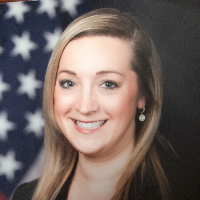






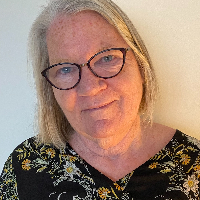




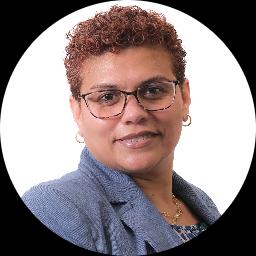










Finding CBT therapy in District of Columbia in 2026
Cognitive Behavioral Therapy (CBT) is one of the most widely used, skills-based approaches in modern counseling, and it is commonly offered by licensed clinicians who serve District of Columbia. If you are searching for an online CBT therapist, you are likely looking for practical tools you can use between sessions, a clear plan for what therapy will look like, and a collaborative style that helps you track progress over time. CBT is often described as structured and goal-oriented, but it can still feel personal and flexible. A good CBT therapist adapts the work to your pace, your values, and the realities of your daily life in DC.
Because District of Columbia is a compact, fast-moving place with a mix of federal work, higher education, healthcare, advocacy, and service industries, many people want therapy that respects time constraints and helps them manage real-world pressures. Online CBT can be a strong fit when commuting, variable hours, caregiving, or travel makes weekly in-person appointments difficult. You can still build a steady therapeutic relationship while working from home, from a quiet office, or from any consistent location that helps you focus.
Why online CBT can work especially well for District of Columbia residents
Online therapy can remove several common barriers to getting started. If you live in District of Columbia, you may already be juggling traffic, public transit timing, meetings that run long, and a calendar that changes quickly. Online CBT reduces the friction of travel time and can make it easier to keep a consistent weekly rhythm, which matters in a skills-based approach. Consistency helps you practice new strategies, review what worked, and make small adjustments that add up.
Online CBT also lends itself to the kind of between-session practice that makes the approach effective. Many CBT therapists use worksheets, structured reflections, and simple tracking tools to help you notice patterns in thoughts, feelings, and behaviors. In a virtual format, those materials can be shared in real time and revisited easily. If you like having something concrete to work on, online sessions can feel focused and organized without being rigid.
Another benefit is access to a broader range of CBT-trained clinicians who are licensed to serve District of Columbia. That can matter if you are looking for a therapist with experience in a specific concern, a particular cultural perspective, or a style that fits you. Online care can expand your options while still keeping the work grounded in your day-to-day routines and local context.
What CBT looks like in practice
CBT is based on a simple idea: the way you interpret situations can shape how you feel and what you do next. Therapy focuses on identifying unhelpful patterns, testing new perspectives, and building behaviors that support your goals. In a typical CBT process, you and your therapist clarify what you want to change, map out the cycles that keep you stuck, and practice skills that help you respond differently when stress shows up.
You can expect a collaborative, active style. Sessions often include a brief check-in, a review of what you practiced since the last meeting, and a focus for the day. You might work on recognizing thinking traps, learning ways to shift attention, building problem-solving skills, or gradually facing situations you have been avoiding. Many people like CBT because it is transparent. You are not guessing what the plan is, and you can usually explain what you are working on and why.
How CBT’s structure translates to online sessions
The structured nature of CBT tends to transfer smoothly to online therapy. Screen sharing can make it easier to look at a thought record together, outline a plan for the week, or review a coping strategy step by step. Because CBT often involves short, repeatable exercises, you can practice them during a session and then apply them in real situations between appointments. That practice component is a big reason people seek CBT in the first place, and it does not require being in the same room.
Online sessions can also help you practice skills in the environment where you actually need them. If you tend to feel overwhelmed at home after work, meeting from that setting can make it easier to notice triggers and try new routines. If your stress shows up in your workspace, you can use therapy to plan boundaries, communication strategies, and micro-breaks that fit the reality of your day.
Concerns CBT therapists commonly help with
People in District of Columbia seek CBT for many reasons, from short-term stress to long-standing patterns they want to change. While only a licensed professional can evaluate your situation, CBT is frequently used to help clients build coping tools, reduce avoidance, and improve daily functioning. If you are considering online CBT, it may help to know the kinds of concerns therapists often address with this approach.
Anxiety and chronic worry
CBT for anxiety often focuses on how worry spirals get reinforced and how avoidance can keep fear feeling powerful. You may work on identifying anxious predictions, testing them against evidence, and practicing gradual exposure to situations you have been avoiding. You can also learn skills for tolerating uncertainty, reducing reassurance-seeking, and responding to physical anxiety symptoms in a calmer way.
Depression and low motivation
When you feel down, it is easy to withdraw from activities that once helped you feel connected and capable. CBT often includes behavioral activation, which means rebuilding routines that support mood through realistic, values-based steps. You might also examine harsh self-talk, all-or-nothing thinking, and patterns of rumination that deepen hopelessness. The work is usually practical and paced, especially when energy is low.
OCD and intrusive thoughts
CBT-informed work for OCD often involves Exposure and Response Prevention (ERP), a specialized behavioral method that helps you face triggers while reducing compulsions over time. If you are looking for help with intrusive thoughts, checking, contamination fears, or mental rituals, it is worth seeking a therapist who explicitly mentions training and experience with ERP as part of their CBT background.
Panic, phobias, and avoidance
CBT can help you understand the fear cycle that drives panic and avoidance. You may learn to reinterpret bodily sensations, reduce safety behaviors, and approach feared situations gradually. Online therapy can support this by helping you plan exposures that fit your real life in District of Columbia, such as transit-related fears, crowded environments, or performance situations.
Stress, burnout, and work pressure
High responsibility roles and constant availability can create a sense that you are always behind. CBT can help you challenge perfectionism, set more workable standards, and build time management and boundary skills. You might also learn strategies for recovery, including scheduling restorative activities and addressing the thought patterns that make it hard to step away.
Insomnia and sleep routines
Many CBT therapists incorporate CBT for insomnia (CBT-I) strategies, which focus on strengthening sleep habits and reducing the mental and behavioral patterns that keep you awake. If sleep is your main concern, look for a clinician who notes CBT-I training or experience, since sleep-focused CBT can be more specialized than general stress management.
How to verify CBT training and a District of Columbia license
When you are choosing an online therapist, it is reasonable to want clarity about both licensure and CBT preparation. In District of Columbia, therapists may hold different professional licenses depending on their discipline, such as professional counseling, social work, marriage and family therapy, psychology, or psychiatry. Your therapist should be licensed to provide services to clients located in District of Columbia at the time of the session. If you are not sure, ask directly where they are licensed and whether they can provide teletherapy to you in DC.
To confirm CBT training, start with the therapist’s profile and look for clear references to CBT as a primary modality, not just a passing mention. Strong signs include descriptions of structured sessions, skills practice, homework between sessions, and specific CBT methods such as cognitive restructuring, behavioral activation, exposure work, or ERP for OCD. You can also ask what CBT training they have completed, how they typically structure treatment, and how they measure progress. A therapist who is comfortable with CBT will usually explain their approach in plain language and invite questions.
It can also help to ask how they integrate CBT with other evidence-informed approaches. Many clinicians blend CBT with mindfulness-based strategies, acceptance-focused skills, or trauma-informed care. Integration can be helpful as long as you and your therapist agree on goals and maintain a clear plan for what you will practice and how you will know it is working for you.
Tips for choosing the right online CBT therapist in District of Columbia
Choosing a therapist is both practical and personal. You are looking for someone with the right training, but also someone you can work with consistently. Start by noticing what you want CBT to do for you. Do you want help reducing panic symptoms, stopping rumination, improving sleep, or getting unstuck from avoidance? The more specific you can be, the easier it is to match with a clinician whose CBT experience aligns with your goals.
Look for a clear treatment fit
In your first contact or consultation, ask how the therapist would approach your main concern using CBT. Listen for a coherent roadmap: how they assess patterns, what skills they teach, and what you might practice between sessions. You do not need a rigid script, but you should feel that the therapist has a method and can tailor it to you rather than offering only general support.
Pay attention to your experience in the first few sessions
CBT is collaborative. You should feel able to ask questions, disagree, and refine goals without feeling judged. Early sessions often include assessment and education about the CBT model, followed by small experiments to test new strategies. If you leave sessions with a clearer understanding of your patterns and a manageable plan for the week, that is often a good sign.
Consider logistics that support consistency
Even the best therapist match can be hard to sustain if scheduling is unstable. As you browse District of Columbia listings, consider session times, frequency, and whether the therapist’s availability fits your work hours and responsibilities. Ask how cancellations are handled and what happens if you travel. Consistency is especially important in CBT because skills build over time through repetition and review.
Make sure the online format fits your environment
Online CBT works best when you can meet from a place where you can focus. If you live with others or have limited space, consider planning sessions from a quiet room, a parked car, or another reliable setting. If you want, you can also ask your therapist for ideas about creating a supportive setup, such as using headphones, minimizing notifications, and keeping a notebook nearby for exercises.
Getting started with CBT in District of Columbia
If you are ready to begin, start by reviewing the therapist listings on this page and shortlisting a few CBT-trained clinicians whose specialties match your goals. Reach out with a brief description of what you want help with and ask how they would use CBT to address it online. The right therapist will help you clarify next steps, set expectations for the process, and begin building skills you can use in everyday life in District of Columbia.
Browse Specialties in District of Columbia
Mental Health Conditions (33 have therapists)
Addictions
13 therapists
ADHD
10 therapists
Anger
15 therapists
Bipolar
11 therapists
Chronic Pain
2 therapists
Compulsion
4 therapists
Depression
23 therapists
Dissociation
2 therapists
Domestic Violence
4 therapists
Eating Disorders
4 therapists
Gambling
4 therapists
Grief
17 therapists
Guilt and Shame
17 therapists
Hoarding
1 therapist
Impulsivity
7 therapists
Isolation / Loneliness
14 therapists
Mood Disorders
10 therapists
Obsession
4 therapists
OCD
4 therapists
Panic Disorder and Panic Attacks
9 therapists
Personality Disorders
2 therapists
Post-Traumatic Stress
11 therapists
Postpartum Depression
2 therapists
Seasonal Affective Disorder (SAD)
6 therapists
Self Esteem
23 therapists
Self-Harm
4 therapists
Sexual Trauma
5 therapists
Sleeping Disorders
6 therapists
Smoking
2 therapists
Social Anxiety and Phobia
13 therapists
Somatization
2 therapists
Stress & Anxiety
23 therapists
Trauma and Abuse
13 therapists