Find a CBT Therapist for Bipolar in Florida
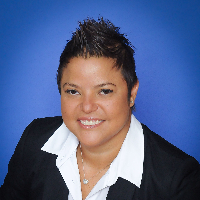
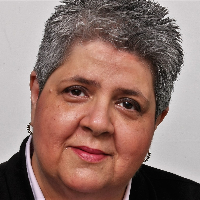
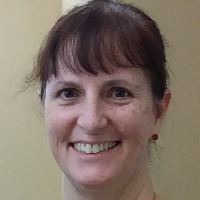
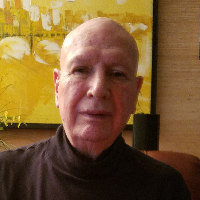
On this page you will find Florida-based therapists who use cognitive behavioral therapy (CBT) to support people managing bipolar symptoms. Browse listings by city or search for clinicians who offer online and in-person CBT options in Florida.
Use the listings below to compare credentials, treatment focus, and availability so you can reach out and schedule a consultation.

















How CBT works for bipolar mood challenges
Cognitive behavioral therapy is a structured, goal-focused approach that helps you understand the link between thoughts, behaviors, and moods. In practice, CBT encourages you to notice patterns in thinking that can precede mood shifts and to test those patterns against real evidence. That process of identifying unhelpful thinking and replacing it with more balanced perspectives is paired with behavioral strategies aimed at stabilizing daily routines, improving sleep, and reducing impulsive or avoidance behaviors that can worsen mood swings.
For bipolar, CBT often emphasizes mood monitoring and early warning signs so you can respond before small changes escalate. You and your therapist work on developing coping plans for high and low mood phases, practicing behavioral experiments to test new ways of responding to stress, and building skills for emotion regulation. The combination of cognitive restructuring and behavioral activation makes CBT a practical option if you want tools you can use between sessions.
Finding CBT-trained help for bipolar in Florida
When looking for a therapist in Florida who specializes in CBT for bipolar, focus on training and experience as well as licensure. Many clinicians hold credentials such as licensed psychologist, licensed clinical social worker, licensed mental health counselor, or licensed marriage and family therapist. These professionals may have additional certifications or supervised training in CBT techniques and in working with mood disorders. In larger cities like Miami, Orlando, and Tampa you may find clinicians with specialized programs in mood management and experience collaborating with psychiatrists and primary care providers.
Begin by searching listings for therapists who explicitly state CBT as a primary approach and who note experience with bipolar or mood regulation. Reading a clinician's profile can help you understand whether they use manualized CBT protocols, incorporate relapse prevention planning, or combine CBT with other evidence-based strategies. You can also filter for availability for evening appointments, bilingual clinicians, or in-person work if proximity is important. If you live outside major metropolitan areas, consider professionals who offer online sessions to access clinicians with specialized CBT training.
Questions to ask a potential CBT therapist
Before you start work with a therapist, it helps to ask about their experience with bipolar specifically and how they adapt CBT for mood cycling. Ask what a typical CBT session looks like, whether they assign between-session work like mood logs or thought records, and how they measure progress. It is reasonable to inquire about how they coordinate care with prescribers if you take medication, and how they handle high-intensity mood changes. Clear communication about fees, insurance, and session length will help you set expectations.
What to expect from online CBT sessions for bipolar
Online CBT sessions mirror many aspects of in-person work but with practical differences in logistics. You can expect a similar structure - review of symptoms or mood since the last session, collaborative problem solving, skill practice, and planning for homework. Therapists often use screen-sharing to review worksheets, mood charts, and behavioral plans. Because you are in your own environment, you may find it easier to integrate behavioral experiments into daily life and to practice skills between sessions.
Technical considerations include checking your internet connection, finding a quiet room where you can focus, and confirming the platform details with your therapist before the first session. One advantage of online work in a state as large as Florida is expanded access - you can connect with specialists in Miami or Tampa even if you live elsewhere. Online sessions also make it easier to maintain continuity of care if you travel for work or move within the state.
Evidence and outcomes for CBT with bipolar
CBT has been studied for mood disorders over several decades and is commonly included in treatment plans alongside medication and other supports. Research has examined CBT's role in teaching relapse prevention strategies, improving adherence to treatment plans, and offering skills for coping with daily stressors that can trigger mood changes. In clinical settings across Florida, therapists often combine CBT techniques with psychoeducation and collaborative care arrangements that involve prescribers and community services.
When you review evidence, look for clinicians who describe how they measure progress - for example, tracking mood stability, frequency of mood episodes, or functional outcomes like sleep and daily routine. While individual results vary, many people report practical benefits from learning CBT tools they can use independently between sessions.
Tips for choosing the right CBT therapist in Florida
Choosing the right therapist is as much about fit as it is about credentials. Think about whether you prefer a therapist who takes a highly structured, skills-based approach or someone who blends CBT with broader psychotherapy techniques. Consider practical factors like proximity to cities such as Miami, Orlando, or Tampa if you want in-person sessions, or whether you need flexible hours, weekend availability, or bilingual services.
It is helpful to read clinician profiles and reach out for a brief consultation to get a sense of their style. Ask about their experience with relapse prevention and whether they work with families or support systems when that is appropriate. You should also discuss fees, insurance participation, and whether they offer sliding scale options if cost is a concern. Trust your sense of whether the therapist listens well and explains the CBT approach in a way that makes sense to you.
When CBT is combined with other supports
Many therapists use CBT alongside other supports to address the full range of bipolar management needs. This can include coordination with medication management, psychoeducation for you and loved ones, and referrals to community resources for sleep management, occupational support, or crisis services when needed. In some cases, therapists will involve family members or partners to strengthen coping strategies and to create a consistent routine that supports mood stability. Discussing how a therapist integrates these different elements can help you find an approach that feels comprehensive and practical.
Next steps in Florida
Starting therapy can feel like a big step, but focusing on goals and practical skills often makes the process more manageable. Use this directory to find CBT-trained clinicians in major hubs such as Miami, Orlando, and Tampa or to locate practitioners who offer telehealth across Florida. Reach out to a few therapists to compare approaches, ask about their CBT training, and schedule an initial consultation. Over time, you and your therapist can refine a plan that emphasizes mood monitoring, actionable coping skills, and strategies that fit your daily life.
If you are ready to begin, browse the therapist listings above to find CBT clinicians in Florida, check availability, and send a message to learn more about how they tailor CBT for bipolar care. Taking that first step can help you access focused support and practical tools tailored to your needs.