Find a CBT Therapist for Impulsivity in Georgia
On this page you will find CBT-trained therapists across Georgia who focus on treating impulsivity. Listings highlight clinicians in Atlanta, Savannah, Augusta and other communities, with descriptions of their CBT approach and areas of experience. Browse the profiles below to compare treatment styles and appointment options.








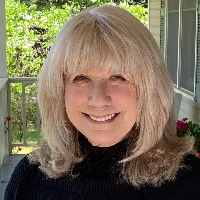
Jamia Poole
LISW-CP, LCSW, CSW
Georgia - 4 yrs exp















How CBT Addresses Impulsivity
Cognitive Behavioral Therapy, or CBT, works on impulsivity by addressing the thought patterns and learned behaviors that lead to quick, unplanned actions. In CBT you will learn to notice the triggers - those internal cues and external situations that tend to precede impulsive decisions - and to examine the automatic thoughts that push you toward action. That cognitive work is paired with behavioral strategies that reshape responses over time. Rather than trying to suppress natural urges, CBT helps you build alternative habits, slow down decision-making, and practice more deliberate choices.
Cognitive mechanisms
At the cognitive level you will work on identifying distortions and immediate appraisals that can escalate impulses. People who struggle with impulsivity often experience split-second thoughts such as "I need this now" or "I can handle the consequences," and those rapid judgments can shortcut reasoned decision-making. In therapy you will learn techniques such as thought monitoring, cognitive restructuring, and decatastrophizing to create distance from those immediate appraisals. Over time, altering those thinking patterns reduces the intensity and frequency of impulsive responses.
Behavioral strategies
The behavioral side of CBT gives you concrete skills to interrupt automatic reactions. You may practice stimulus control, where environmental cues are adjusted to reduce temptation, or develop delay tactics that force a pause - for example counting, grounding techniques, or setting short waiting periods before acting. You will also rehearse replacement behaviors that satisfy underlying needs in safer ways. Therapists may incorporate exposure-based exercises when impulsivity is tied to specific triggers, helping you build tolerance to discomfort without acting out.
Finding CBT-Trained Help for Impulsivity in Georgia
Looking for a clinician who specializes in CBT for impulsivity means paying attention to training, experience, and a therapist's typical caseload. In Georgia you will find CBT-trained clinicians in urban centers and smaller communities alike. Atlanta has a dense concentration of clinicians with specialized CBT training, while cities like Savannah and Augusta offer accessible options for in-person work. If you live outside these centers, many therapists provide remote care which broadens your choices. When reviewing profiles, look for mention of core CBT methods, training in cognitive-behavioral techniques, and experience addressing impulsivity or related concerns such as emotion regulation.
Licensure and professional background are critical. Therapists typically list credentials, years of practice, professional affiliations, and any advanced CBT certifications. These details give you a sense of how deeply the clinician uses CBT and whether they adapt evidence-based protocols to adult, adolescent, or specific behavioral concerns. If you prefer sessions in person, search for therapists in nearby cities like Athens or Columbus to find a clinician whose office location and hours suit your needs.
What to Expect from Online CBT Sessions for Impulsivity
Online CBT sessions follow the same structure as in-person work but with practical adjustments for virtual delivery. You will meet with your therapist via a video platform, where the focal tasks - identifying thoughts, practicing behavioral experiments, and reviewing homework - translate well to screen-based sessions. Therapists often use shared digital worksheets and screen-sharing to work on cognitive restructuring in real time. The convenience of online care can make it easier to maintain regular appointments, practice skills between sessions, and involve support people when appropriate.
In an initial online session you can expect assessment of current patterns, discussion of goals, and a collaborative plan for therapy. Subsequent sessions typically blend skill teaching, rehearsal, and review of exercises completed between meetings. Your therapist may assign short, practical tasks to practice delay techniques or environment adjustments in your everyday life. The virtual format also allows therapists in Atlanta or Savannah to reach clients across Georgia, increasing the likelihood you will find someone whose approach matches your needs.
Evidence Supporting CBT for Impulsivity
CBT has a strong foundation as an intervention for impulsive behaviors because it targets both thinking and doing. Research and clinical practice have demonstrated that strategies such as cognitive restructuring, problem-solving training, and behavioral experiments reduce impulsive actions and improve self-control across a range of concerns. Practitioners in Georgia draw on these evidence-based methods and often adapt them to individual needs, whether the impulsivity appears as risky spending, impulsive anger, or difficulty delaying gratification.
Local clinicians often combine standard CBT techniques with modules for emotion regulation and mindfulness to address the emotional triggers of impulsivity. While outcomes vary by individual, many people report improved decision-making, fewer impulsive incidents, and a greater sense of control after sustained CBT work. When evaluating evidence, look for therapists who reference empirically supported protocols or who describe measurable goals and progress tracking in their practice.
Tips for Choosing the Right CBT Therapist in Georgia
Choosing a therapist is a personal decision and you should expect to interview potential clinicians until you find a good fit. Begin by reading profiles for details about CBT experience and view any descriptions of work with impulsivity. Pay attention to how a therapist explains their approach - clear, practical descriptions usually indicate a skills-focused, CBT-oriented practice. If you are interested in in-person sessions, check whether the clinician has an office in Atlanta, Savannah, Augusta, or another convenient city. If remote care is preferable, confirm that the therapist offers online appointments and ask about their experience delivering CBT virtually.
During initial contact, consider asking how the therapist measures progress and what kinds of homework or practice they assign between sessions. Discussing session frequency and expected duration of treatment helps set realistic expectations. Also inquire about how the therapist tailors CBT techniques to your age, background, and specific impulsive behaviors. A good clinician will explain the balance of cognitive and behavioral work, describe concrete exercises you will practice, and create a collaborative plan to build stronger decision-making skills.
Practical considerations
Practical matters can affect continuity of care, so consider scheduling options, cancellation policies, and whether the therapist works with insurance or offers sliding scale fees. If you live near major centers like Atlanta or Augusta you may have more appointment flexibility, but many therapists across Georgia also offer evening or weekend slots to accommodate work and family responsibilities. Transportation, childcare, and work schedules are important to factor in when committing to regular sessions.
Starting Therapy and Next Steps
Beginning CBT for impulsivity is a step toward greater intentionality and control over behaviors that feel automatic. Once you select a clinician, expect the first few sessions to focus on assessment, goal-setting, and learning the first set of tools to interrupt impulsive patterns. Consistent practice between sessions is where change takes root, so plan to engage in short, structured exercises and to review your experiences with your therapist. Over time you will likely notice a gradual increase in pause-and-plan moments and a reduction in harmful impulsive choices.
Whether you are searching in Atlanta, exploring options in Savannah, or considering a clinician in Augusta, this directory aims to help you find CBT-focused providers who work with impulsivity. Use therapist profiles to compare approaches, ask about specific CBT techniques, and choose someone whose style and availability align with your goals. With targeted CBT work and steady practice you can develop stronger impulse control and a clearer path to decisions that reflect your long-term priorities.