Find a CBT Therapist for Dissociation in Illinois
This page connects you with Cognitive Behavioral Therapy (CBT) clinicians across Illinois who work specifically with dissociation. Browse therapist profiles below to compare CBT approaches and find a clinician who fits your needs.










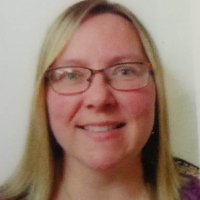









Tara Hartley
LCSW
Illinois - 9 yrs exp


How CBT specifically addresses dissociation
Cognitive Behavioral Therapy approaches dissociation by helping you identify and change the thoughts, beliefs and behaviors that maintain disconnection from yourself or your surroundings. At its core, CBT is a collaborative process in which you and a therapist map out how dissociative experiences relate to stress, trauma reminders, anxiety and avoidance patterns. Through careful assessment you learn to recognize the triggers and early signs of dissociation - the mental cues and situations that precede a feeling of detachment - and to use cognitive strategies that reduce unhelpful thinking patterns that intensify those experiences.
Behavioral techniques are central to the work. You are likely to practice grounding skills designed to anchor you in the present moment and to perform graded behavioral experiments that test assumptions about safety, control and memory. Exposure-based methods may be used in a controlled way to reduce avoidance, and attention training helps you reorient focus when dissociation begins to emerge. Over time, the combination of cognitive restructuring and behavioral practice aims to increase your tolerance for distressing memories or sensations while improving daily functioning.
What the cognitive and behavioral mechanisms look like in sessions
In a typical CBT session for dissociation you will work with your therapist to build a shared understanding of how dissociation operates in your life. You might chart the sequence from an external trigger to an internal response, and then to an avoidance behavior. Cognitive techniques help you examine automatic thoughts - for example beliefs that you are unsafe or that losing touch with yourself is inevitable - and to generate alternative, more balanced perspectives. Behavioral work encourages small, testable changes such as staying present during a difficult memory for increasing lengths of time or practicing sensory grounding in public places.
The approach is practical and skills-oriented. Homework assignments are common, because practicing techniques between sessions is how change becomes stable. Your therapist will tailor tools to your needs - some people respond well to structured worksheets and behavioral tasks, while others benefit from experiential exercises that combine mindfulness with cognitive reframing. If trauma is involved, therapists trained in CBT adaptations for trauma will integrate pacing and stabilization so you can progress safely.
Finding CBT-trained help for dissociation in Illinois
When looking for a CBT therapist in Illinois, you should focus on clinicians who have specific training or experience treating dissociation and trauma-related issues. Licensure varies by practitioner type - psychologists, licensed clinical social workers, and licensed professional counselors commonly practice CBT. Many therapists list CBT as part of their primary approach and will note additional trauma-informed endorsements, certification programs or supervised experience working with dissociation.
Search by location if you prefer in-person sessions, and consider major Illinois hubs like Chicago, Aurora and Naperville for broader availability of specialists. Smaller communities such as Rockford or Springfield may have fewer CBT clinicians focused specifically on dissociation, but you can often find qualified providers who offer telehealth across the state. When you contact a therapist, ask about their experience with dissociation, whether they use CBT adaptations for trauma, and how they structure sessions for stabilization and integration.
What to expect from online CBT sessions for dissociation
Online CBT sessions can be an effective option if you live far from a major city or prefer remote care. You can expect an initial intake that includes a detailed history of dissociative experiences, current triggers, coping strategies and safety planning. Your therapist will work with you to set measurable goals and to create a plan that adapts CBT techniques to the virtual format. Grounding exercises, cognitive restructuring, symptom monitoring and behavioral experiments can all be guided through video or phone sessions.
Technology allows you to integrate real-life practice into therapy. A therapist may ask you to use your home environment for grounding exercises or to record moments when dissociation occurs so you can review patterns together. It is important to discuss privacy and safety at the outset and to agree on what steps you will take in the event of severe distress. Many clinicians will also provide resources specific to Illinois, such as local crisis lines and emergency services, as part of the planning process.
Evidence supporting CBT for dissociation
Research and clinical practice have shown that CBT and its trauma-focused adaptations can reduce the intensity and frequency of dissociative symptoms by targeting the cognitive and behavioral processes that sustain them. Clinical trials and outcome studies indicate that structured, skill-based therapy helps people gain better control over dissociative reactions, improves day-to-day functioning and supports recovery from underlying trauma-related difficulties. In treatment settings across Illinois, clinicians draw on this evidence base to adapt CBT methods to individual needs.
It is important to understand that CBT is often combined with other therapeutic elements when dissociation is pronounced. Stabilization, pacing and attention to safety are standard components of any responsible treatment plan. While CBT provides a framework for understanding and changing the reactions that feed dissociation, your therapist will monitor progress and adjust strategies based on your responses and goals.
Tips for choosing the right CBT therapist in Illinois
Choosing a therapist is a personal decision. Start by identifying what matters most to you - whether that is a clinician s experience with trauma-related dissociation, availability for evening sessions, or acceptance of your insurance. Ask potential therapists how they adapt CBT specifically for dissociation, what types of homework or practice they assign, and how they handle moments when dissociation escalates. Inquiry about cultural competence and comfort with issues such as identity, family dynamics and life stage can help you find a better fit.
Location may influence your choice. If you live near Chicago you may have access to therapists with specialized training in complex trauma and dissociation. In suburban areas like Aurora or Naperville, you may find clinicians who blend CBT with other evidence-based practices to meet local demand. If in-person work is not possible, prioritize therapists who have established telehealth practices and clear plans for supporting you during high-intensity episodes.
Finally, consider practical matters such as session format, frequency and costs. Many therapists offer an initial consultation that allows you to get a sense of their style and approach. Use that meeting to discuss goals, timelines and how success will be measured. A good fit is one where you feel heard about your dissociative experiences and where the CBT plan feels manageable and relevant to your life.
Moving forward in Illinois
Finding CBT help for dissociation is a process of matching clinical skill with your personal needs. Whether you are exploring options in downtown Chicago, commuting to sessions near Naperville, or seeking a clinician who offers flexible telehealth across the state, you can use the therapist profiles below to compare training, approach and availability. Reach out to clinicians to ask specific questions about their CBT methods for dissociation and to arrange an initial consultation that helps you decide if the therapist is the right partner for your work.
Therapy is collaborative and skill-based. With the right CBT approach you can expect to learn tools that help you manage dissociative responses, build resilience and improve daily functioning. Use the listings to start a conversation and take the next step toward care that fits your goals and your life in Illinois.