Find a CBT Therapist for Relationship in Iowa
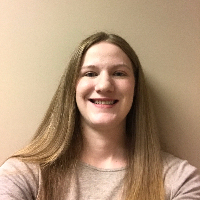
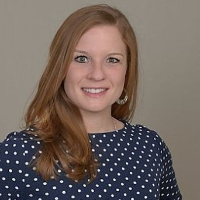
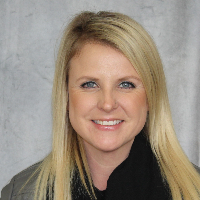
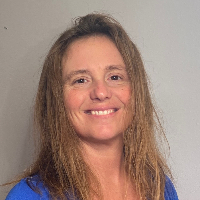
This page lists CBT therapists in Iowa who focus on relationship challenges and improving communication. Profiles highlight CBT training, areas of focus, and availability across cities like Des Moines, Cedar Rapids, Davenport and Iowa City. Browse the listings below to compare clinicians and choose a provider who meets your needs.




















How CBT treats relationship concerns
Cognitive behavioral therapy approaches relationship work by helping you and, if applicable, your partner identify the thoughts and behaviors that contribute to conflict and disconnection. Rather than emphasizing only emotions, CBT looks at the links between thoughts, feelings and actions. When you notice a pattern - such as assuming a partner's intentions are negative or reacting with avoidance - you and your therapist will explore the underlying beliefs that fuel those responses. By testing and changing unhelpful thoughts and practicing new interaction patterns, CBT aims to reduce recurring arguments and increase positive exchanges.
The process often begins with mapping interaction cycles. You and your therapist will look at specific situations that typically escalate and break them down into the triggers, thoughts, physical responses and behaviors involved. From there you will practice experiments - small, measurable changes in how you respond - to see whether different behaviors produce different results. Over time these repeated behavioral experiments are intended to reshape both the immediate dynamics of interactions and the longer-term expectations you bring to relationships.
How the cognitive and behavioral mechanisms work
CBT targets two broad mechanisms. Cognitively, therapy helps you identify automatic thoughts and deeper beliefs that shape how you interpret a partner's words and actions. When you shift a belief like I am always the one who gets hurt to a more balanced thought, you change the lens through which you view interactions. Behaviorally, CBT emphasizes practicing new skills in real life - such as assertive communication, time-limited cooling-off strategies, or problem-solving steps - so that alternative responses become more natural. The combination of cognitive restructuring and behavioral rehearsal accelerates change because your thinking and your day-to-day habits are being adjusted together.
Working with individuals versus couples
In individual CBT for relationship issues you will focus on how your patterns affect connections and learn skills that you can bring into your partnerships. When both partners participate, the therapist helps create a learning environment where each person can practice communication and receive guided feedback. Either format uses the same core CBT tools, but sessions with partners often include guided role-play and joint behavioral assignments designed to be completed between sessions. Your therapist will tailor the approach to your goals and whether you want to work alone or together with a partner.
Finding CBT-trained help for relationship issues in Iowa
When looking for a CBT therapist in Iowa, search for clinicians who explicitly describe CBT-based training or experience with cognitive behavioral methods for relationship work. Many therapists will list specific skills such as cognitive restructuring, behavioral experiments, communication training or relapse prevention. You can also review clinician bios for experience treating issues that commonly affect relationships, including trust concerns, communication breakdowns, conflict cycles and stress from life transitions. Cities like Des Moines and Cedar Rapids have larger practices and community clinics where therapists may offer a range of CBT-specialized services, while smaller communities may offer clinicians who blend CBT with other helpful approaches.
Licensing and training vary by provider, so look for licensed mental health professionals and consider asking about their CBT-specific training or certifications during an initial outreach. You might inquire about how they integrate CBT into relationship-focused sessions, what typical session goals look like, and whether they assign between-session practice. Clear information about approach and expectations can help you find a therapist whose method aligns with your needs.
What to expect from online CBT sessions for relationship issues
Online CBT sessions make evidence-based relationship work more accessible across Iowa, whether you live in Des Moines, Davenport, or a smaller town. Virtual sessions typically follow the same structure as in-person therapy - agenda setting, review of progress, targeted skill practice and assignment of between-session exercises - but adapted for a video format. You can expect focused, time-limited interventions, use of worksheets or shared screens for exercises, and homework designed to be practiced between meetings. If you and your partner attend together from different locations, online sessions allow both of you to participate without travel.
To get the most from online CBT, plan to choose a quiet, interruption-free area for sessions and have materials ready, such as a notebook for tracking thoughts or a shared exercise to complete at home. Your therapist may suggest using brief video recordings or logs to review interaction patterns and to track progress over time. Online delivery can be especially useful if you need flexible scheduling or if specialized CBT-trained providers are located primarily in larger cities such as Des Moines or Iowa City.
Evidence supporting CBT for relationship issues
CBT is one of the most studied psychological approaches and has a strong evidence base for helping people change unhelpful thought patterns and behaviors. When applied to relationship work, CBT techniques have been found to reduce conflict, improve communication skills and increase relationship satisfaction in many cases. Research often highlights the value of practical, skills-based interventions that help people alter the day-to-day patterns that create distress. While outcomes vary by individual and relationship context, CBT's structured approach is well-suited to people who appreciate goal-oriented, measurable strategies for improving interactions.
In Iowa settings, therapists who specialize in CBT may work in private practices, clinics, or community mental health centers. They frequently adapt CBT strategies to local needs by addressing stressors common in the region - for example balancing work and family responsibilities, caregiving demands, or transitions such as relocation. The adaptability of CBT makes it useful across cultural and demographic groups when the therapist tailors interventions to the specific life circumstances you bring to therapy.
Tips for choosing the right CBT therapist for relationship work in Iowa
Begin by clarifying your goals. Are you looking to rebuild trust after a specific event, improve communication to reduce daily friction, or manage individual issues that spill into the relationship? Knowing what you want to work on will help you find a therapist who emphasizes those goals. Next, review clinician profiles and reach out with focused questions about their CBT experience, how they structure relationship sessions, and their experience working with couples or individuals from communities like Des Moines, Cedar Rapids or Davenport. Ask about typical session length, frequency, and whether they assign between-session work.
When you contact a therapist, consider whether their communication style and proposed plan feel like a good fit. Therapists will vary in how directive they are and how much homework they assign. If you are seeking collaborative, skills-based work, a CBT-trained clinician will outline clear steps and measurable goals. Trust your instincts about whether you feel heard and whether the therapist offers practical strategies that match your preferences.
Practical considerations
Consider logistics such as location, availability and whether the therapist offers online sessions if that matters to you. In larger Iowa cities like Des Moines and Iowa City you may have more choices for specialized CBT providers, while therapists in smaller towns may offer broader expertise. Cost and insurance coverage are also important practical factors to discuss early on. Finally, remember that trying one or two initial sessions can help you evaluate whether the therapist's CBT approach and interpersonal style work for your situation. You can switch providers if you do not feel the match is right - finding the right therapist is a process and you have options across the state.
Next steps
If you are ready to start, review the profiles listed above to find CBT therapists in Iowa who focus on relationship work, then reach out to schedule a brief consultation. Clear communication about your goals and questions will help you find a clinician who uses CBT techniques that fit your needs. Whether you are in Des Moines, Cedar Rapids, Davenport or elsewhere in Iowa, CBT offers practical tools you can use to change interaction patterns and strengthen connections over time.