Find a CBT Therapist for Addictions in Kansas
This page lists therapists across Kansas who focus on addictions using cognitive-behavioral therapy (CBT). You will find clinicians serving Wichita, Overland Park, Kansas City, Topeka and surrounding areas who use CBT methods. Browse the listings below to compare profiles and reach out to someone whose approach feels right for you.
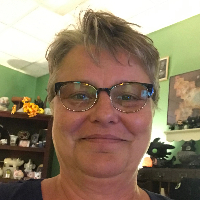





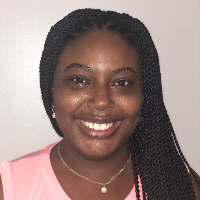
Catherine Lorino
LSCSW, LCSW
Kansas - 30 yrs exp














How CBT Addresses Addictions
Cognitive-behavioral therapy approaches addictions by working with both thoughts and behaviors that maintain substance use or other addictive patterns. In a CBT framework you will explore the situations and cues that trigger urges, the automatic thoughts that follow, and the routines or behaviors that reinforce use. Therapists guide you to map these connections so you can see the chain of events that leads from a trigger to an action. Once that pattern is visible, CBT focuses on practical skills - changing unhelpful thinking, testing assumptions, and developing alternative behaviors that provide relief without the harms associated with addictive activity.
Practically this means you might work on identifying common cognitive distortions that justify use, such as overgeneralizing from a single lapse or minimizing long-term consequences. You will also practice behavioral strategies - scheduling meaningful activities, developing coping responses for cravings, and conducting behavior experiments to test new ways of responding to triggers. Homework and practice between sessions are central, because repeated practice helps new skills replace old habits.
Finding CBT-Trained Help for Addictions in Kansas
When you search for a CBT-focused clinician in Kansas, look for therapists who describe specific training or experience in cognitive-behavioral approaches for addictions. Many professionals list credentials such as licensed professional counselor, licensed clinical social worker, or psychologist, and may note training in CBT, relapse prevention, or evidence-based treatments for substance use. Profiles often indicate whether a therapist treats adults, adolescents, or both, and whether they have experience with alcohol, prescription medication, stimulants, gambling, or behavioral addictions.
Geographically, cities like Wichita, Overland Park, and Kansas City have clinicians with diverse specializations and training backgrounds. If you live outside those urban centers, therapists in Topeka or nearby towns may offer telehealth sessions that extend access across the state. Pay attention to how therapists describe their CBT work - a therapist who names specific CBT techniques such as cognitive restructuring, exposure for behavioral addictions, or functional analysis is signaling concrete expertise rather than a general interest in talk therapy.
What to Expect from Online CBT Sessions for Addictions
Online CBT sessions combine the structure of CBT with the convenience of meeting from home. A typical session starts with a brief check-in about your week and any recent urges or slips. You and your therapist will review homework, such as thought records or behavioral experiments, and then work on a focused skill - identifying a cognitive distortion, rehearsing a coping script, or planning activities to reduce idle time. Sessions often include role-plays or guided practice so you can try coping strategies in-session before using them in the real world.
Between sessions you can expect regular practice assignments designed to strengthen new patterns. These might include keeping a log of triggers and responses, scheduling pleasant activities that compete with cravings, or conducting short behavioral experiments to test beliefs about substance use. Therapists also often collaborate with you to build a relapse prevention plan that maps high-risk situations and concrete steps you can take when urges arise. If you live in Kansas and prefer remote care, online CBT can be an effective option for incorporating therapy into a busy schedule, while still offering structured skill-building and accountability.
Evidence Supporting CBT for Addictions
CBT has a long history as an evidence-based approach for a range of addictive behaviors. Research has shown that CBT helps people develop the skills needed to manage urges, restructure unhelpful thoughts, and build patterns that support sustained change. In clinical settings across the United States, therapists use CBT for alcohol use, opioid-related issues, stimulant use, and behavioral addictions such as gambling. The core advantage of CBT is its focus on teachable, testable skills - you learn tools you can continue to use after formal therapy ends.
In Kansas, providers who emphasize evidence-based care often integrate CBT with other supportive services such as case management, medication management when appropriate, and peer support networks. While individual needs vary, many people find that learning specific cognitive and behavioral techniques makes day-to-day coping more manageable and reduces the intensity and frequency of urges over time. If you want to understand how research applies to your circumstances, ask a prospective therapist how they translate evidence into practical strategies and how they measure progress during treatment.
Practical Tips for Choosing the Right CBT Therapist in Kansas
Choosing a therapist is a personal decision and small practical details can make a big difference in whether you stay engaged. Start by looking for clinicians who explicitly name CBT and addictions in their profiles and describe concrete techniques they use. Consider logistics - whether they offer in-person sessions in your city or telehealth appointments that suit your schedule. If you live near Wichita or Overland Park you may find more in-person options, while residents of smaller communities often rely on remote appointments to access specialized CBT care.
Ask about experience with the specific type of addiction you are addressing and whether the therapist has worked with people in similar life stages or with similar co-occurring concerns, such as anxiety, depression, or chronic pain. Clarify practical matters like session length, frequency, fee structure, and whether they accept your insurance or offer a sliding scale. It is also reasonable to ask about how the therapist tracks progress - some clinicians use brief measures or session-by-session check-ins so you can see improvement over time.
When you contact a therapist, pay attention to whether their style feels collaborative. CBT is often goal-oriented, so a good fit is someone who helps you set clear, achievable goals and adapts techniques based on your feedback. Trust your instincts about rapport; you will get the most out of CBT when you feel understood and when the therapist's style matches how you prefer to work on change.
Working with CBT Therapists in Major Kansas Cities
If you are in Kansas City you may have access to a wide range of clinicians trained in specialized CBT protocols, and urban areas can offer multidisciplinary teams for comprehensive care. In Wichita and Overland Park you will also find experienced CBT therapists who combine clinical skills with local resources such as support groups or community programs. Topeka and other regions provide options for both in-person and online care, and many therapists in smaller communities are adept at integrating CBT techniques with community-based supports.
Regardless of where you are in Kansas, you can prioritize a therapist who matches your needs and preferences. Consider starting with an initial consultation to discuss the therapist's approach to CBT for addictions and to outline a plan that fits your life. That first conversation can clarify whether you want to move forward and what early steps might look like.
Moving Forward
Seeking CBT-based help is a proactive step toward building more effective coping strategies and reducing the hold that addictive behaviors have on your life. Use the therapist listings on this page to compare training, approach, and availability in your area. Reach out to a few clinicians, ask about their CBT experience with addictions, and choose someone who offers a clear, collaborative plan that feels practical and achievable. With the right fit and regular practice, CBT can give you tools to manage urges, change unhelpful thought patterns, and create routines that support recovery in Kansas and beyond.