Find a CBT Therapist for Coping with Life Changes in Kansas
This page connects you with CBT therapists across Kansas who focus on coping with life changes. You will find clinicians using evidence-based cognitive behavioral techniques from Wichita to Kansas City and beyond. Browse the listings below to compare approaches, credentials, and availability.





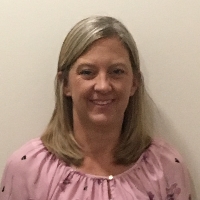
Lorinda Wente
LCPC
Kansas - 30 yrs exp


















How CBT helps you cope with life changes
Cognitive behavioral therapy, or CBT, offers a clear, skills-focused approach to navigating transitions such as relocation, career shifts, relationship changes, grief, and retirement. CBT focuses on the interaction between your thoughts, feelings, and behaviors. When a major change occurs, automatic thoughts and unhelpful habits can intensify distress and make it harder to adapt. A CBT therapist helps you identify the specific thinking patterns and behaviors that keep stress and uncertainty in place, and then guides you in testing and changing them.
The cognitive mechanisms behind change
When you face a life change, your mind often generates predictions and interpretations that shape your experience. These might include worst-case scenarios, overgeneralizations, or all-or-nothing thinking. Through techniques such as cognitive restructuring and guided questioning, you learn to examine the evidence for those thoughts and to develop alternative perspectives that reduce emotional intensity. Over time, practicing new ways of thinking can shift the mental habits that make transitions feel overwhelming.
The behavioral mechanisms that support adaptation
CBT also emphasizes action. Behavioral strategies give you concrete steps to rebuild a sense of control and competence. Activity scheduling, behavioral experiments, and gradual exposure to avoided situations help you test assumptions and collect new information about what you can tolerate and accomplish. For example, if a move has left you feeling isolated, a therapist might support a step-by-step plan to reconnect with community resources in Wichita or Overland Park so you can rebuild routines that matter to you.
Finding CBT-trained help for life changes in Kansas
Looking for a therapist trained in CBT starts with understanding credentials and experience. Many licensed clinicians in Kansas have postgraduate training specifically in CBT methods, and some hold certifications or have completed supervised training programs. When you search listings, look for therapists who describe specific CBT techniques they use for adjustment, such as cognitive restructuring, behavioral activation, problem-solving therapy, or acceptance-based CBT adaptations. You can narrow your search by location if you prefer in-person sessions in cities like Wichita, Overland Park, Kansas City, or Topeka, or by therapists who specialize in particular transitions such as job loss, divorce, or relocation.
Geographic considerations matter in Kansas because access can differ between urban centers and more rural counties. If you live outside a major city, online CBT options can expand your access to clinicians with targeted experience in coping with life changes. When contacting prospective therapists, ask about their experience with your specific type of transition and whether they tailor CBT techniques to your cultural background and life context.
What to expect from online CBT sessions for coping with life changes
Online CBT sessions often mirror in-person work in structure and content. Sessions tend to be goal-oriented and time-limited, with an early phase focused on assessment and goal setting, followed by skill teaching and practice. You can expect a collaborative agenda each week that includes reviewing how you applied skills between sessions, introducing a focused CBT technique, and planning manageable steps to practice in daily life. Therapists commonly assign brief, practical homework such as thought records, behavioral experiments, or activity planning to accelerate progress between sessions.
Technology makes it easier to work with therapists across Kansas, whether you live in the metropolitan area near Kansas City or in a smaller community. Before your first online appointment, you may want to choose a quiet, comfortable spot and ensure a reliable internet connection. Many therapists will describe their privacy practices and how they protect session notes and communications, and they will talk with you about what to expect if an urgent need arises between sessions.
Evidence supporting CBT for coping with life changes
CBT is one of the most widely studied psychotherapy approaches for helping people adapt to change. Research has shown that CBT techniques can reduce distress, increase coping skills, and help people regain daily functioning after life transitions. While studies come from a variety of populations and settings, the core principles of CBT - identifying unhelpful thoughts, testing beliefs through behavior, and building adaptive routines - translate well to the common challenges of changing circumstances. You can discuss evidence and expected outcomes with a therapist to understand how CBT methods apply to your situation.
Local clinicians in Kansas often integrate CBT with knowledge of regional resources and community networks, which helps when changes require practical adjustments such as finding new employment options, connecting with support groups, or managing logistical aspects of a move. Therapists based in Wichita, Kansas City, Overland Park, and Topeka can often guide you toward supports in those communities as you apply CBT skills to real-world transitions.
Tips for choosing the right CBT therapist in Kansas
Choosing a therapist is both practical and personal. Start by clarifying what you want to address and what kind of approach feels most helpful to you. When you contact a clinician, ask about their training in CBT and how they tailor interventions to life transitions rather than presenting disorders. Ask how they measure progress and how many sessions they typically recommend. It is reasonable to inquire about logistics - such as session length, fees, insurance acceptance, and cancellation policies - so you can plan your commitment.
Consider therapist fit as well. A good CBT therapist will explain techniques in plain language, collaborate with you on goals, and help you practice skills between sessions. If cultural background, age, or life experience matters to you, mention that early in your conversations and ask how the therapist has worked with clients with similar identities or circumstances. If you prefer in-person work, check for practitioners near you in Wichita or Overland Park. If convenience or access is a priority, explore telehealth options that reach across Kansas and into more rural areas.
If you try a few sessions and it does not feel like the right match, that is a normal part of the search process. Many people find that a brief trial period clarifies whether the therapist’s style and the CBT methods they use are a good fit for the transition you are facing. You can use the listings below to contact several clinicians and compare how they describe their approach to coping with life changes.
Moving forward with CBT in Kansas
Life changes are rarely simple, but CBT gives you a practical framework for responding to them. By learning to identify unhelpful thoughts, testing assumptions through action, and rebuilding routines that support wellbeing, you can increase your ability to adapt and regain momentum. Whether you are connecting with a therapist in Kansas City, booking an in-person appointment in Topeka, or starting online sessions from a rural town, the CBT focus on skills and measurable progress can help you manage transition-related stress and build a path forward.
When you are ready, use the therapist listings above to read profiles, check availability, and reach out to clinicians who describe CBT work for coping with life changes. Taking that first step means exploring options and finding a clinician whose approach aligns with your needs and goals.