Find a CBT Therapist for OCD in Kansas
This page highlights therapists in Kansas who specialize in treating obsessive-compulsive disorder using cognitive-behavioral therapy. Browse the listings below to locate CBT-trained clinicians across Wichita, Overland Park, Kansas City and other communities in the state.

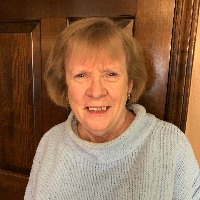

Lorinda Wente
LCPC
Kansas - 30 yrs exp











How CBT specifically treats OCD
Cognitive-behavioral therapy addresses OCD by targeting the ideas and behaviors that keep repetitive worries and rituals active. In practice, a CBT clinician helps you identify intrusive thoughts and the beliefs that give them power. Once these thinking patterns are understood, the therapist will guide you in testing and reframing unhelpful assumptions, replacing rigid rules with more flexible thinking. On the behavioral side, therapy emphasizes gradual exposure to feared thoughts or situations paired with strategies to resist performing rituals. That combination of cognitive work and behavioral experiments helps reduce the need for compulsive responses and supports new patterns of coping.
Exposure and response prevention within CBT
Exposure and response prevention, often abbreviated ERP, is a behavioral technique commonly used in CBT for OCD. ERP asks you to face feared situations or thoughts in a planned, supported way while deliberately refraining from rituals that would normally follow. Over repeated practice the anxiety associated with those thoughts tends to decline and your confidence in handling distress grows. A trained CBT therapist teaches how to structure exposures, how to pace them, and how to pair them with cognitive tools so changes persist beyond the therapy room.
Finding CBT-trained help for OCD in Kansas
When searching for a clinician in Kansas, you will want someone who emphasizes CBT and has experience with OCD-specific methods such as ERP. Many therapists list their treatment approaches and areas of focus on directory profiles, which can help you narrow the choice before reaching out. Consider looking for licensure and training credentials, along with descriptions of typical session structure and any experience working with symptoms similar to yours. If you live near Wichita, Overland Park, Kansas City or Topeka, you may find clinicians who hold in-person appointments as well as those who offer remote sessions to reach people in smaller towns across the state.
Questions to ask before scheduling
Before booking a first appointment you might ask whether the therapist regularly uses ERP, how they measure progress, and what the typical number of sessions looks like for OCD work. It is reasonable to inquire about experience with severity levels similar to yours and with any co-occurring concerns such as anxiety or depression. Asking how sessions are structured helps set expectations - CBT sessions tend to be active and skill-focused rather than passive conversations.
What to expect from online CBT sessions for OCD
Online CBT has become a widely used option for people across Kansas and can be especially helpful if you live outside a metropolitan area. In virtual sessions you can still work through cognitive restructuring, plan exposures, and receive coaching while practicing skills between appointments. Your therapist will typically assign exercises to do at home and will review your experiences during the next session. Remote care can make it easier to do real-world exposures in your own environment while having immediate professional guidance.
Practical considerations for remote therapy
When you choose online therapy, check the therapist's information about technology, session length, and cancellation policies so you know how appointments are managed. Ensure you have a private area for sessions where you feel comfortable discussing personal topics and where you can practice exposure exercises without interruptions. If in-person sessions are helpful to you, therapists in larger Kansas cities often offer a mix of face-to-face and virtual appointments to fit scheduling and travel needs.
Evidence supporting CBT for OCD in Kansas
Research consistently supports CBT, and ERP in particular, as a well-established approach for many people with OCD. Clinical studies show that structured CBT protocols can lead to meaningful reductions in intrusive thoughts and compulsive behaviors when applied correctly. In community settings across states including Kansas, therapists trained in CBT often adapt evidence-based techniques to the local context, helping individuals manage symptoms while balancing work, family, and school responsibilities. Local clinics and university-affiliated centers may also provide referrals or specialty programs that emphasize CBT approaches for obsessive-compulsive concerns.
What evidence means for your decision
Evidence-based does not imply a one-size-fits-all guarantee, but it does suggest that the approach has been tested and found helpful for many people. When evaluating therapists in Wichita, Overland Park, Kansas City or elsewhere in Kansas, consider whether they can explain how CBT techniques are applied to OCD and whether they track progress in measurable ways. A clinician who uses evidence-based tools while tailoring them to your situation is more likely to help you build long-lasting skills.
Tips for choosing the right CBT therapist for OCD in Kansas
Finding the right fit involves more than checking credentials. Think about the therapist's communication style, cultural sensitivity, and practical logistics such as location and availability. If you prefer working with someone who has specific training in ERP or who has experience with certain age ranges or identities, look for those details in profiles or bring them up during an initial phone call. You may want to confirm whether the therapist collaborates with other professionals if coordinated care is needed, for example with a primary care provider or a psychiatrist.
Using local resources
Kansas has both urban centers like Wichita and Kansas City and rural communities where access can be more limited. If local options feel narrow, remote therapy expands your choices. Academic centers, community mental health clinics, and private practices all contribute to the pool of CBT-trained clinicians in the state. When you find potential matches, a brief introductory conversation can clarify whether their approach and logistics align with your needs.
Making the most of CBT treatment
Once therapy begins, your active participation helps determine outcomes. You will likely complete homework between sessions, practice exposures, and track thoughts and behaviors. Open communication with your therapist about what feels helpful and what does not will allow them to adjust strategies. Some people combine CBT with medication as part of a collaborative treatment plan under a prescriber's guidance. Whatever path you choose, a clear plan, measurable goals, and regular review of progress help keep treatment focused and practical.
Searching for CBT-focused OCD treatment in Kansas is a practical step toward regaining control over compulsive patterns. Whether you live in Wichita, Overland Park, Kansas City, Topeka, or a smaller town, reviewing clinician profiles and asking targeted questions will help you find a therapist whose training and approach match your needs. When you connect with a CBT-trained clinician, you gain structured tools to address both the thoughts and actions that sustain OCD, with the aim of improving daily functioning and quality of life over time.