Find a CBT Therapist for Sexual Trauma in Kansas
This directory page highlights therapists in Kansas who use cognitive behavioral therapy to address sexual trauma. Listings include training, approaches, and locations to help you compare options. Browse the profiles below to find a CBT clinician near Wichita, Overland Park, Kansas City, or Topeka.





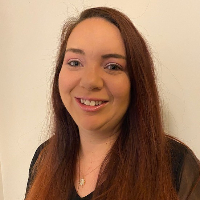
Dhruti Shah
LPC, LCPC
Kansas - 7 yrs exp















How CBT Treats Sexual Trauma
Cognitive behavioral therapy approaches sexual trauma by focusing on the patterns of thinking and behavior that maintain distress after a traumatic event. In the aftermath of sexual trauma many people develop unhelpful beliefs about themselves, others, and the world. These beliefs can lead to avoidance of situations that feel triggering, heightened anxiety, difficulty sleeping, and changes in mood or relationships. CBT targets those beliefs and patterns directly so you can reduce their influence on daily life.
Cognitive mechanisms
One central element of CBT is cognitive restructuring - learning to identify, evaluate, and modify thoughts that are inaccurate or harmful. After sexual trauma you may carry beliefs that blame you, suggest you are permanently damaged, or predict constant danger. In therapy you practice noticing these thoughts, evaluating the evidence for and against them, and developing alternative interpretations that are more balanced. That process does not minimize what happened; it helps you separate the reality of the event from ongoing interpretations that make recovery harder.
Behavioral mechanisms
Behavioral work in CBT addresses avoidance and safety behaviors that, while understandable, often keep fear and distress alive. A therapist trained in trauma-focused CBT helps you gradually approach avoided situations or memories in a controlled way, building a sense of mastery and reducing reactivity over time. Behavioral experiments and gradual exposure are introduced at a pace that respects your boundaries so you can test assumptions about threat and begin reclaiming activities and relationships you value.
Finding CBT-Trained Help for Sexual Trauma in Kansas
When looking for a CBT therapist in Kansas, start by identifying clinicians who describe trauma-focused training in their profiles. Licensing credentials such as licensed professional counselor, licensed clinical social worker, or licensed psychologist indicate professional standards, and many therapists list additional coursework or certifications in CBT or trauma work. Universities and medical centers in Kansas often host training programs and clinics, and clinicians in Wichita, Overland Park, Kansas City, and Topeka may participate in continuing education that emphasizes evidence-based approaches.
You can also ask potential therapists how they tailor CBT to sexual trauma specifically. Therapists who work with survivors are likely to describe assessments for trauma-related symptoms, a clear structure for sessions, and use of techniques such as cognitive processing, behavioral experiments, and graded exposure. If you prefer local in-person meetings, search by city or county. If travel is difficult or you live in a rural part of the state, many clinicians now offer remote sessions that preserve a consistent therapeutic relationship.
What to Expect from Online CBT Sessions for Sexual Trauma
Online CBT follows many of the same steps as in-person treatment but adapts logistics for a virtual format. You can expect an initial intake where the therapist gathers history, discusses goals, and explains how CBT works for trauma. Sessions typically include a mix of talking through thoughts and emotions, behavioral planning, skill practice such as grounding or relaxation techniques, and assigned practice tasks to complete between sessions.
Therapists will talk with you about how to set up a personal space for sessions so interruptions are minimized and you feel comfortable. They will explain how electronic communication is handled, describe crisis planning, and clarify boundaries around availability. Homework is a core part of CBT, and you will likely be offered written exercises, worksheets, or audio recordings to reinforce learning. Online work can be especially useful if you need flexibility in scheduling or access to clinicians outside your immediate area within Kansas.
Evidence Supporting CBT for Sexual Trauma in Kansas
Research over decades has established CBT as a leading approach for addressing the psychological effects of trauma, including sexual trauma. Clinical trials and practice guidelines emphasize CBT techniques such as cognitive restructuring and controlled exposure as effective strategies for reducing intrusive memories, avoidance, and distress. While much of the literature is national and international, therapists practicing in Kansas generally draw on this evidence base and adapt methods to local community needs.
Educational institutions in the state contribute to training clinicians in evidence-based care and often partner with local clinics to extend trauma-informed services. When you evaluate therapists in Wichita, Overland Park, Kansas City, or Topeka, ask about how they stay current with research and whether they use measures to track progress. A therapist who uses standardized outcome measures can show you how symptoms change over time and adjust treatment accordingly.
Tips for Choosing the Right CBT Therapist for Sexual Trauma in Kansas
Choosing a therapist is a personal process that goes beyond credentials. Start by clarifying what you want from therapy - symptom reduction, improved relationships, better sleep, or increased confidence in daily life. Look for therapists who explicitly state expertise in trauma and who describe how they apply CBT to sexual trauma. When you contact a clinician, ask how much of their practice involves trauma work and what kinds of CBT techniques they commonly use. You may want to ask about experience with exposure work, cognitive processing, and strategies for managing intense emotions between sessions.
Consider practical matters as well. Check whether the therapist offers in-person appointments in cities like Wichita or Topeka if you prefer face-to-face care, or whether they provide telehealth to reach you across rural areas of Kansas. Inquire about payment options, insurance participation, and sliding scale availability if cost is a concern. Also think about fit - cultural competence, gender identity matching, and experience with survivors of sexual trauma can influence how comfortable you feel during sessions. It is reasonable to request an initial consultation to see whether the therapist's style and explanations align with your needs.
Safety planning is essential in trauma-focused therapy. A skilled CBT therapist will discuss crisis procedures and help you develop strategies to manage heightened distress. They should explain how treatment will proceed over time, how progress is measured, and what to expect if additional support is needed. If you ever feel that a therapist's approach is not working for you, it is okay to seek a different clinician. Finding the right therapeutic relationship is part of the healing process.
Finding Support Across Kansas Cities and Communities
Access to CBT-trained clinicians varies by region, but larger metropolitan areas such as Wichita, Overland Park, and Kansas City often have more options, including specialized trauma clinics and therapists with advanced training. Smaller communities may have fewer in-person resources, making telehealth an important bridge. Local advocacy organizations, university training clinics, and community mental health centers can be additional entry points to find clinicians who practice trauma-focused CBT.
When you begin the search, prioritize clear communication about goals and methods. A therapist who explains CBT in practical terms and collaborates with you on a plan is more likely to meet your needs. Over time, CBT's emphasis on skills, testing beliefs, and behavioral change can support meaningful improvements in how you manage memories, emotions, and relationships following sexual trauma.
Moving Forward
Taking the step to look for a therapist is significant. Whether you choose a clinician in Wichita, attend sessions from home while living in rural Kansas, or meet with someone in Overland Park or Kansas City, focusing on trauma-informed CBT gives you a structured, evidence-based path to work through difficult patterns. Use the listings on this page to compare clinicians, reach out for initial conversations, and choose a therapist who listens, explains their approach clearly, and partners with you on practical steps toward recovery.