Find a CBT Therapist for Self Esteem in Kentucky
This page lists Cognitive Behavioral Therapy clinicians in Kentucky who focus on improving self esteem. Browse practitioner profiles below to compare training, treatment approach, and appointment options across the state.









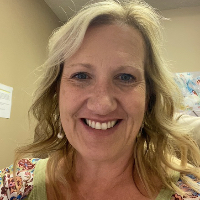
Susan "Jill" Hedges
LPCC
Kentucky - 16 yrs exp














How CBT addresses low self esteem
Cognitive Behavioral Therapy helps you understand how thoughts, feelings, and behaviors interact to shape self esteem. In practice you and a therapist work together to identify recurring negative beliefs about yourself - ideas that may have developed over years and now run automatically. Those beliefs often show up as harsh self-criticism, discounting accomplishments, or assuming rejection before it happens. By bringing these patterns into awareness you gain options for change rather than feeling stuck in self-defeating habits.
The cognitive part of CBT focuses on testing and reframing unhelpful thoughts. Your therapist guides you to examine the evidence for and against a belief, consider alternative interpretations, and develop more balanced self-appraisals. This reduces the emotional intensity tied to negative thinking and makes it easier to act differently. The behavioral piece then supports new ways of relating to yourself and others. That may include structured behavioral experiments where you try small risks and observe the outcomes, or gradual steps to increase activities that reinforce competence and connection.
Over time CBT helps you shift from global, fixed self-judgments to specific, flexible self-evaluations. Rather than viewing yourself as fundamentally flawed, you learn to evaluate behaviors and moments, build skills to respond to setbacks, and practice self-directed strategies that promote resilience. Many people also work on self-compassion skills within a CBT framework so that change is not only about correcting mistakes but also about treating yourself with greater kindness while you grow.
Finding CBT-trained therapists in Kentucky
When you look for a CBT clinician in Kentucky, consider credentials and demonstrated training in cognitive behavioral methods. Licensed psychologists, clinical social workers, professional counselors, and marriage and family therapists may list CBT as a specialty. You can often learn about specific training in CBT from therapist profiles that describe certifications, post-graduate training, or use of manualized CBT protocols for issues like low self esteem.
Location can matter if you prefer in-person sessions. You will find practitioners in major population centers such as Louisville and Lexington as well as in regional hubs like Bowling Green and Covington. If you live outside these cities, many therapists maintain flexible hours or offer virtual care so you can access CBT skills without a long commute. When reviewing profiles pay attention to whether the clinician emphasizes self esteem work specifically, or treats related concerns such as social anxiety, depression, or trauma - these areas often overlap with self esteem challenges and can inform treatment choices.
What to expect from online CBT sessions for self esteem
Online CBT sessions follow many of the same principles as in-person therapy, but the format can change the logistics and feel of treatment. Sessions are typically structured, time-limited, and goal-oriented. You and your therapist will begin with an assessment of your concerns and collaboratively set specific, measurable goals related to how you want to feel and behave differently. Expect to review thought patterns, try cognitive exercises during sessions, and agree on homework or practice tasks to do between meetings.
Homework is a central element of CBT because change grows from the practice you do in daily life. In an online setting homework might include journaling to track automatic thoughts, behavioral experiments to test beliefs, or skill rehearsals for assertive communication. Many therapists use worksheets, screen sharing, or secure messaging tools to share materials and track progress. You should discuss technology needs and what platform will be used so that sessions run smoothly and you can fully engage in exercises and demonstrations.
Although online sessions offer convenience, building rapport is still important. Early sessions are often focused on establishing trust, clarifying expectations, and tailoring exercises to your context. If you have concerns about the setting for online work, ask how your therapist supports a comfortable environment and maintains professional boundaries while working remotely.
Evidence supporting CBT for self esteem
Research on cognitive behavioral approaches shows consistent improvement in patterns of negative thinking and related symptoms, which often contributes to stronger self esteem. Studies across different populations indicate that structured cognitive and behavioral techniques reduce self-critical thoughts and increase adaptive coping. While research studies are typically carried out in many regions and not limited to any single state, clinicians in Kentucky who practice CBT draw on this broader evidence base when treating self esteem concerns.
In routine clinical practice CBT is valued for its clear treatment targets and measurable outcomes. Many therapists use standardized measures to monitor changes in self-evaluation and mood as therapy progresses. This evidence-informed approach helps you and your clinician see whether strategies are working and when adjustments are needed. If you want to know more about the research, ask prospective therapists how they incorporate evidence-based methods into their work and what outcomes they track for self esteem goals.
Choosing the right CBT therapist in Kentucky
Finding a good match matters as much as finding technical skill. You can begin by identifying clinicians who explicitly list CBT and self esteem among their specialties. Read profiles to learn about years of experience, additional training in relevant areas such as adolescent or adult therapy, and whether they offer the session formats you need. Many people find it helpful to schedule an initial consultation to gauge fit - in that brief conversation you can ask how the therapist conceptualizes low self esteem, what techniques they commonly use, and how they measure progress.
Consider practical factors like availability, fees, acceptance of your insurance, and whether you prefer online or in-person work. Geographic proximity can be important if you plan to attend frequent in-person sessions, so look for clinicians in and around Louisville, Lexington, or Bowling Green if travel time matters. Also consider cultural fit - you should feel understood in terms of your background, values, and life context. Don’t hesitate to ask about experience with clients who share similar identities or struggles as yours.
A helpful therapist will explain the expected course of CBT for self esteem - many people notice changes within weeks to months as they practice new skills, but the pace varies. Ask how the therapist sets goals, how often they review progress, and what you can do outside sessions to reinforce gains. If you have logistical needs such as evening appointments or a preference for video sessions, bring those up early so you can find a clinician whose offerings align with your life.
Practical steps to begin
Start by narrowing your search to CBT-trained clinicians who mention self esteem or related concerns. Reach out to two or three therapists for an initial conversation about approach and logistics. Prepare a few questions about their experience and what a typical session will involve. When you begin work, keep track of small changes in how you think and behave and share those observations with your therapist so treatment can be tailored.
Seeking help is a meaningful step toward changing entrenched self-critical patterns. Whether you connect with a clinician in Louisville, meet with someone in Lexington, or begin online sessions from your home, CBT offers concrete tools to reframe thoughts, test beliefs through behavior, and build a stronger, more compassionate relationship with yourself. Use the listings above to explore profiles and book a consultation that fits your needs and schedule.