Find a CBT Therapist for Panic Disorder and Panic Attacks in Louisiana
This page features therapists in Louisiana who use cognitive behavioral therapy (CBT) to treat panic disorder and panic attacks. Browse the listings below to review clinicians in New Orleans, Baton Rouge, Shreveport, Lafayette and other communities.








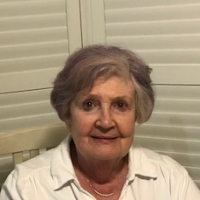











Kimberly Ragas-Matalamaki
LPC
Louisiana - 8 yrs exp




How CBT Treats Panic Disorder and Panic Attacks
If you experience sudden panic attacks or ongoing worry about having them, cognitive behavioral therapy offers a structured, skills-based approach that targets the thoughts and behaviors that maintain panic. CBT works on two main fronts. The cognitive component helps you identify and reframe the automatic thoughts that amplify fear - for example, catastrophic interpretations of racing heart or shortness of breath. By practicing alternative ways to appraise sensations and situations, you can reduce the intensity of the alarm reaction over time. The behavioral component focuses on gradual exposure to feared sensations and situations and on reducing avoidance and safety behaviors that keep panic patterns active.
Many therapists will begin by teaching you how panic symptoms function and by introducing techniques to manage acute symptoms. You will learn to track triggers, notice thinking patterns that escalate fear, and test those beliefs through behavioral experiments. Over the course of therapy, you practice facing bodily sensations in controlled ways so that sweating, trembling, or breathlessness become less threatening. This combination of cognitive restructuring and guided behavioral practice is central to how CBT brings about meaningful change for people with panic disorder.
Mechanisms That Often Make CBT Effective
CBT's focus on skills and practice helps you gain direct experience that challenges fearful predictions. Cognitive work reduces the tendency to make catastrophic interpretations, which in turn lowers anticipatory anxiety. Behavioral work - including interoceptive exposure, which intentionally evokes bodily sensations - teaches your nervous system that these sensations can be tolerated. When you stop relying on safety behaviors or avoidance, you provide evidence that panic is survivable and that escalation can be prevented. Therapists often combine homework assignments with in-session practice so progress continues between appointments.
Finding CBT-Trained Help for Panic Disorder in Louisiana
When you begin looking for a therapist in Louisiana, start by identifying clinicians who list cognitive behavioral therapy as a primary approach and who have experience treating panic disorder and panic attacks. Urban centers such as New Orleans and Baton Rouge typically offer a larger selection of CBT-trained clinicians, but you can also find experienced practitioners in Shreveport, Lafayette, and more rural areas through online listings. Look for descriptions that mention exposure-based techniques, interoceptive work, and structured treatment plans for panic.
Licensure and training matter. Therapists in Louisiana will hold state credentials, and many also complete postgraduate CBT training programs or certifications. When reviewing profiles, note whether clinicians mention specialized training in anxiety disorders, ongoing supervision, or membership in professional CBT organizations. If you prefer certain cultural or language matches, search for therapists who list those skills; New Orleans in particular has a diverse practitioner base that may include clinicians fluent in multiple languages and familiar with local cultural contexts.
What to Expect from Online CBT Sessions for Panic Disorder and Panic Attacks
Online CBT sessions follow the same core structure as in-person work but are delivered through video so you can connect from home or another convenient location. In the first few sessions, you and your therapist will complete a detailed assessment of panic symptoms, frequency of attacks, avoidance patterns, and any co-occurring concerns. You will receive psychoeducation about how panic develops and how CBT targets those processes. Early sessions often include breathing and grounding techniques to help you tolerate symptoms while you begin cognitive and behavioral work.
As you move into exposure-focused treatment, your therapist may guide interoceptive exercises over video that safely elicit mild physical sensations so you can practice coping strategies in a controlled way. You will also plan real-world exposures and report back on outcomes. Homework is a regular part of online CBT; therapists rely on worksheets, session recordings, or shared documents to track thought records and exposure tasks. For effective online work, choose a quiet, comfortable environment and ensure you have a reliable internet connection and a device with a camera and microphone.
Evidence Supporting CBT for Panic Disorder and Panic Attacks
CBT is one of the most researched psychological approaches for panic disorder and panic attacks. Clinical trials and treatment outcome research over several decades have repeatedly found that CBT reduces the frequency and severity of panic symptoms for many people. When therapists use structured, exposure-based protocols combined with cognitive interventions, clients often report meaningful improvements in daily functioning and reductions in avoidance behavior.
In Louisiana, therapists working in clinics, hospitals, and private practice apply these well-established principles to local populations. Whether you connect with a clinician in New Orleans, an outpatient center in Baton Rouge, or a telehealth provider reachable from Shreveport, the core elements of CBT remain consistent: assessment, collaborative goal setting, targeted interventions, and measured progress. If you are concerned about how evidence applies to your situation, a prospective therapist can outline the research base and explain how treatment will be tailored to your needs.
Tips for Choosing the Right CBT Therapist in Louisiana
Choosing a therapist is a personal decision that depends on clinical fit and practical considerations. Start by checking whether a clinician describes CBT and exposure-based methods in their profile and notes experience treating panic disorder. During an initial consultation, ask how they structure sessions, what a typical course of CBT for panic looks like, and how they measure progress. Ask whether they use interoceptive exposure and how they plan and support in vivo exposures, since these elements are often central to recovery.
Consider logistical questions as well. Decide whether you want in-person sessions in a city like New Orleans or Baton Rouge or whether online sessions would be more convenient. Ask about session length, fees, cancellation policies, and whether they accept your insurance or offer sliding scale options. Pay attention to how comfortable you feel speaking with the clinician; rapport matters because you will be doing challenging work together. If you have cultural or language preferences, seek therapists who explicitly state relevant experience or fluency. For rural residents, an online-trained CBT clinician can offer consistent care without long commutes.
Getting Started and What to Expect Next
Once you select a therapist, expect an initial period of assessment and planning. You will set goals, learn core skills for managing acute panic, and begin a sequence of cognitive and exposure exercises tailored to your triggers. Progress may involve occasional setbacks, but your therapist will help you interpret those moments as part of the learning process. Over time, you will likely notice decreased anticipatory anxiety and increased ability to face previously avoided situations.
If you are ready to begin, use the listings above to compare therapists by approach, location, and availability. Contact a few clinicians to ask about their CBT experience with panic disorder and to get a sense of fit. With a clear plan and a collaborative therapist, CBT can equip you with practical tools to reduce the hold that panic attacks have on your life while supporting durable change in daily functioning.