Find a CBT Therapist for Impulsivity in Maryland
Find CBT therapists across Maryland who focus on treating impulsivity. Browse the listings below to compare CBT approaches, read therapist profiles, and connect with clinicians near Baltimore, Columbia, Silver Spring, and other local communities.







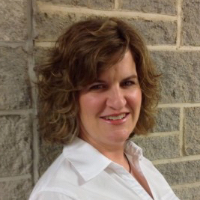





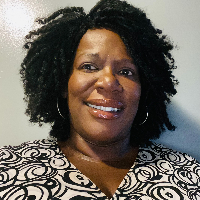

Tanea Couther
MD, LCPC
Maryland - 11 yrs exp









Understanding how CBT addresses impulsivity
If impulsive actions or decisions are creating problems in your life, cognitive behavioral therapy - CBT - offers practical tools that target both thinking patterns and behaviors. CBT approaches impulsivity as a pattern that links situations, automatic thoughts, emotional reactions, and then behavioral responses. By interrupting those links you can reduce the frequency and intensity of impulsive acts and build alternative skills to respond differently to triggers.
The cognitive side - changing thought patterns
On the cognitive side, CBT helps you learn to notice the quick thoughts that arise before an impulsive act. These thoughts often feel automatic and may include expectations that immediate action will relieve discomfort or bring reward. A therapist will work with you to test those expectations and to reframe unhelpful beliefs that drive urgency. Through guided questioning and behavioral experiments you can develop more balanced appraisals of risk, reward, and the likely outcomes of waiting or using different strategies.
The behavioral side - reshaping responses
Behavioral techniques are equally central. CBT practitioners teach strategies to interrupt the impulse - for example, delay tactics, environmental changes to reduce temptation, and discrete coping behaviors you can use in the moment. Habit reversal and graded exposure help you practice alternative actions until those responses become more automatic than the impulsive ones. Skills training often includes problem-solving, planning ahead for high-risk situations, and rehearsing replacement behaviors so you feel prepared rather than reactive.
Finding CBT-trained help for impulsivity in Maryland
When you begin searching for help in Maryland, look for therapists who identify CBT as a primary orientation and who describe experience working with impulse-related difficulties. Many clinicians in urban centers such as Baltimore, Columbia, and Silver Spring list CBT specialties and years of practice on their profiles, which can help you narrow options. You can also look for clinicians who have completed additional CBT training or supervision, or who mention specific CBT methods like cognitive restructuring, dialectical behavior components aimed at distress tolerance, or behavior activation tailored to impulse control.
Therapists practice in a variety of settings across the state - independent practices, community mental health clinics, university clinics, and outpatient programs. Each setting offers different advantages. Private practitioners may offer flexible scheduling and continuity with a single clinician, while community or university clinics may provide access to clinicians with specialized training or lower-cost options. Consider where you feel most comfortable and what logistical factors - location, hours, insurance participation, or sliding scale fees - matter most to you.
What to expect from online CBT sessions for impulsivity
Telehealth has become a common way to receive CBT in Maryland, and online sessions can be highly practical if you live outside major cities or have hectic schedules. An online CBT course for impulsivity typically begins with an assessment conversation where you and your therapist map out patterns, set clear goals, and identify immediate strategies you can try. Subsequent sessions focus on practice - learning to spot trigger moments, testing new responses in between sessions, and reviewing homework assignments together.
In online sessions you will still practice behavioral experiments and cognitive techniques, and your therapist may use screen-sharing to walk through worksheets or monitoring tools. Many people find that working from home makes it easier to test real-world strategies in the actual contexts where impulses occur. If in-person sessions are preferable, you can often find clinicians offering both formats in Baltimore, Columbia, and Silver Spring, allowing you to choose what fits your needs.
Evidence and local practice of CBT for impulsivity
Broad clinical research supports CBT as an effective approach for treating a range of impulse-related problems. In practice across Maryland, clinicians trained in CBT use a combination of cognitive work and behavioral rehearsal to reduce impulsive responding and improve day-to-day decision making. You will find CBT integrated into outpatient clinics and private practices, reflecting its adaptability to individual goals and co-occurring concerns.
While individual results vary, many people report that structured CBT offers clarity about the triggers and thought patterns that lead to impulsive choices and provides concrete tools to respond differently. If you are curious about local outcomes, asking a prospective therapist about their experience with impulse-focused treatments and typical progress timelines can help set realistic expectations for therapy in your area.
Choosing the right CBT therapist for impulsivity in Maryland
Choosing a therapist is both a practical and personal decision. Start by looking for clinicians who emphasize CBT and who describe working specifically on impulsivity, impulse control, or related skills. When you contact a therapist, ask about how they structure sessions, what kinds of between-session work they assign, and how they track progress. You can inquire about whether they tailor techniques to your daily routines and about their experience helping clients in situations similar to yours.
Consider logistics as well. If you live near Baltimore or Columbia you may have more in-person options, while remote appointments expand choices if you live in smaller Maryland communities. Ask about insurance participation, cancellation policies, and availability for phone or messaging between sessions if that level of access is important to you. A brief consultation call is often the best way to get a sense of rapport and whether the therapist’s style fits your preferences.
Priorities to weigh
Trust and a collaborative approach are key. You want a therapist who listens to your goals, explains CBT techniques in straightforward terms, and involves you in setting measurable steps. Look for a clinician who responds to your questions about techniques and who can describe concrete examples of how they have worked with other clients to reduce impulsive behavior. Cultural fit and understanding of your life context also matter - therapists in Maryland come from diverse backgrounds and you should feel comfortable bringing your full experience into the work.
Taking the next step
Using this directory, you can compare therapist profiles, read about certifications and specialties, and reach out for an initial consultation. Whether you prefer in-person sessions in Montgomery County or Baltimore, or online sessions that fit a busy schedule, there are CBT-focused clinicians in Maryland who can work with you to develop practical skills. Starting with a clear description of your goals and asking a few targeted questions will help you find a therapist who matches your needs and supports steady progress.
If you are ready to explore options, review the listings above, note a few therapists whose approaches and locations align with your needs, and schedule a brief call to assess fit. CBT offers an active, skills-based path for addressing impulsivity, and the right therapist can help you translate that approach into change that fits your daily life.