Find a CBT Therapist for Bipolar in Michigan
This directory highlights clinicians in Michigan who use cognitive behavioral therapy to support people managing Bipolar. Listings include training, treatment focus, and location so visitors can compare options. Browse the profiles below to find CBT providers in Detroit, Grand Rapids, Ann Arbor and other Michigan communities.








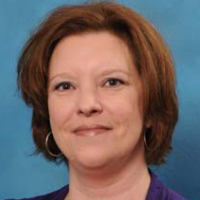
Brenda Sanders
LMSW
Michigan - 6 yrs exp








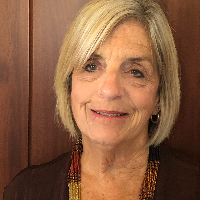
Cynthia Gladyness
LMSW
Michigan - 26 yrs exp






How CBT Works for Bipolar
Cognitive behavioral therapy, or CBT, is a structured approach that helps you understand the links between thoughts, feelings, and behaviors. For Bipolar, therapists adapt CBT techniques to address both depressive episodes and periods of elevated mood. The cognitive part focuses on identifying patterns of thinking that can worsen low mood or contribute to impulsive decisions during hypomanic or manic phases. The behavioral side emphasizes practical strategies - activity scheduling, mood monitoring, sleep regulation, and skills for managing stress - that support more stable day to day functioning.
CBT for Bipolar often centers on developing a toolkit of strategies you can use across mood states. You and your therapist work to notice early warning signs of mood shifts, test assumptions that lead to risky behavior, and create action plans to respond when symptoms begin to change. That combination of thought work and behavior change aims to increase your awareness and give you practical steps to reduce disruption in work, relationships, and daily routine.
Finding CBT-Trained Help for Bipolar in Michigan
When searching in Michigan, it helps to prioritize therapists who specifically list CBT and experience with Bipolar on their profiles. Many clinicians in larger cities like Detroit, Grand Rapids, and Ann Arbor have additional training in mood disorders and may offer programs that include structured CBT protocols tailored to Bipolar. You can narrow options by checking clinician bios for formal CBT training, supervision in mood disorder care, and work with clients who have similar concerns to yours.
Licensure and clinical experience matter. A licensed clinician who practices CBT will typically describe the types of techniques they use, the length of a typical session, and whether they collaborate with psychiatrists or primary care providers for medication management. If you live outside major metropolitan areas, look for therapists who offer remote sessions so you can access CBT expertise without lengthy travel. Local community mental health centers and university-affiliated clinics may also provide CBT-informed services if you prefer in-person care near Lansing, Flint, or smaller towns.
What to Expect from Online CBT Sessions for Bipolar
Online CBT sessions follow a clear structure similar to in-person therapy, but with an emphasis on adapting tools and worksheets to a digital format. Your first sessions typically involve a thorough assessment - an exploration of mood history, current symptoms, daily routines, and any medications or supports you use. From there you and your therapist set collaborative goals and decide which CBT strategies will be most helpful for you right now.
Later sessions often include mood tracking, targeted skill practice, and review of between-session assignments. Therapists may use shared documents or secure messaging to exchange worksheets and homework. You will usually be encouraged to practice techniques outside of sessions - for example, using activity planning to combat low mood, applying thought records to challenge unhelpful thinking, or following sleep and routine strategies to reduce mood fluctuation. Many clinicians also include relapse prevention planning so you have steps to follow if symptoms start to shift.
Practical considerations for online work
Before starting, check that the therapist's telehealth procedures fit your needs. Discuss session length, expected frequency, fees, and how crises are handled. It helps to choose a quiet, consistent space for sessions where you can concentrate and speak freely. Reliable internet and a device with a camera will make sessions smoother, and having a few printed or digital CBT worksheets ready can help you get started quickly.
Evidence Supporting CBT for Bipolar
Clinical studies and treatment guidelines generally include CBT as a component of comprehensive care for Bipolar, particularly when used alongside medical management and social supports. Research in clinical settings has explored how CBT can complement medication and case management by improving coping strategies, daily routines, and problem-solving skills. In Michigan, clinicians often draw on this body of evidence when designing CBT-informed programs at academic centers and community clinics, applying approaches that have been studied in diverse populations.
When evaluating evidence, remember that individual response varies. CBT is not a standalone solution for everyone, but many people find it helpful as part of a broader plan that may include medication, peer support, and lifestyle adjustments. Discuss with potential therapists how they incorporate research-based methods into the care they provide and how they measure progress so you have a clear sense of how therapy is working for you.
Tips for Choosing the Right CBT Therapist in Michigan
Start by clarifying what you want from therapy. Some people seek tools for managing mood swings and maintaining routines, while others focus on rebuilding relationships or navigating work challenges. Use those priorities to guide conversations with clinicians. Ask about their specific experience with Bipolar and which CBT techniques they use most often. Inquire how they coordinate care with prescribers if you take medication, and whether they include family members or significant others in parts of therapy when appropriate.
Consider practical factors like location, availability, and cost. If you live near Detroit or Ann Arbor, you may find clinicians with specialized training and ties to research programs. In communities such as Grand Rapids and Lansing, clinicians may offer a mix of in-person and online services that fit different schedules. If transportation or scheduling is a concern, therapists who provide telehealth can widen your options. Also ask about session frequency and the typical course of treatment so you can plan time and finances accordingly.
Trust and fit matter as much as training. Pay attention to whether a therapist explains CBT concepts clearly and whether their style feels collaborative. Therapy often involves testing new behaviors and confronting difficult emotions, so feeling heard and respected makes it easier to stay engaged. If a clinician suggests ways to measure progress, such as mood charts or functional goals, that can help you see tangible improvements over time.
Getting Started and What Comes Next
Once you identify a few promising clinicians, reach out to request a consultation or intake appointment. Many therapists offer an initial session to assess fit and outline a treatment plan. Use that meeting to ask about their CBT experience with Bipolar, how they tailor interventions to mood phases, and how they handle urgent concerns between sessions. If you are already working with a psychiatrist or primary care provider, consider asking your therapist how they prefer to coordinate care so everyone involved supports your plan.
Beginning CBT is a collaborative process that asks you to be an active participant. You will likely practice skills outside of sessions and use tools to monitor mood and triggers. Over time, many people report greater awareness of thought and behavior patterns and an expanded set of strategies for managing mood fluctuations. In Michigan, whether you connect with a clinician in Detroit, Grand Rapids, Ann Arbor, or via online sessions, well-delivered CBT can be an important part of a thoughtful, multi-faceted approach to living with Bipolar.