Find a CBT Therapist for OCD in Michigan
This page lists therapists in Michigan who use cognitive behavioral therapy to treat obsessive-compulsive disorder. You will find clinicians trained in CBT approaches, including exposure and response prevention, serving communities across the state. Browse the listings below to compare profiles and contact a therapist who meets your needs.









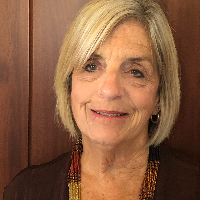
Jill Rountree
LMSW
Michigan - 10 yrs exp












How CBT Treats OCD: What the approach focuses on
Cognitive behavioral therapy for obsessive-compulsive disorder focuses on the thoughts and behaviors that maintain unwanted patterns. In practice you will work with a clinician to identify the intrusive thoughts, images, or urges that trigger anxiety and the rituals or avoidance behaviors that follow. Through a combination of cognitive techniques and behavioral exercises, CBT helps you test assumptions, reduce the power of distressing thoughts, and change the responses that keep symptoms active.
The behavioral component most closely associated with OCD care is often called exposure and response prevention. In this approach you face feared situations or thoughts in a gradual, planned way while deliberately refraining from rituals or compulsive responses. Over time, repeated exposures tend to reduce the intensity of fear and the urge to perform compulsions. The cognitive component helps you examine beliefs about threat, responsibility, perfectionism, and certainty, giving you tools to reinterpret intrusive thoughts and shift how you respond emotionally.
Finding CBT-trained help for OCD in Michigan
When you are searching for a therapist in Michigan, focus on clinicians who describe explicit training in CBT for OCD and mention exposure and response prevention in their profiles. Look for licenses and credentials that match your needs - clinical psychologists, licensed social workers, licensed professional counselors, and licensed marriage and family therapists may all provide CBT, depending on their training. Reading practitioner descriptions will help you understand their experience with OCD specifically, including whether they work with adults, adolescents, or both.
Consider where you want to receive care. If you prefer in-person sessions, you can narrow searches by city - for example, you might explore options in Detroit, Grand Rapids, or Ann Arbor. If travel is a concern, many therapists in Michigan now offer remote sessions, which expands your options beyond local offices. You can also pay attention to clinicians who list additional training in OCD-focused CBT workshops, certification programs, or supervision experience, since specialized practice improves familiarity with the unique challenges of obsessive-compulsive symptoms.
What to expect from online CBT sessions for OCD
Online CBT sessions follow many of the same steps as in-person care, with some practical adaptations. Your therapist will usually begin with an assessment to understand the content and pattern of your intrusive thoughts and compulsions. Together you will develop a treatment plan with measurable goals and a schedule for exposures tailored to your situation. Early sessions often emphasize psychoeducation - understanding the nature of OCD and the rationale for exposure and response prevention - so you know why the exercises are helpful.
During remote sessions you and your clinician will plan exposures you can do at home or in your local environment. The therapist will coach you through strategy, timing, and managing distress, and you will practice response prevention without performing rituals. Homework between sessions is a core part of progress, and therapists commonly use shared worksheets, video sessions for live coaching, and structured exposure hierarchies to guide practice. You should discuss technology needs up front, including a reliable internet connection and a quiet place to meet, so sessions feel focused and productive.
Evidence supporting CBT for OCD in Michigan
Across clinical research and professional guidelines, CBT with an emphasis on exposure and response prevention is widely supported as an effective approach for reducing the symptoms that define OCD. Studies conducted in a variety of settings, including community clinics and university research centers, have demonstrated that many people experience significant symptom relief and improved daily functioning after structured CBT. In Michigan you will find clinicians affiliated with academic centers and community practices who apply these evidence-based methods, bringing research-informed techniques to real-world care.
When you evaluate a therapist, asking about their experience with evidence-based protocols and whether they track progress over time can be helpful. Therapists who use standardized symptom measures can show how your response changes across sessions, which helps you and the clinician make data-informed adjustments to the treatment plan. While outcomes vary by individual, the emphasis on repeated exposure, thoughtful response prevention, and cognitive restructuring gives you tools to change how you respond to intrusive thoughts over the long term.
Tips for choosing the right CBT therapist for OCD in Michigan
Choosing the right therapist is a personal decision that depends on clinical fit, logistics, and your sense of rapport. Start by reviewing profiles to see whether clinicians explicitly mention CBT and exposure and response prevention for OCD. Next, consider practical matters - whether the therapist offers in-person appointments in cities like Detroit or Grand Rapids, whether they provide remote sessions that fit your schedule, and what payment options they accept. It is reasonable to inquire about session length, typical course of treatment, and whether they offer shorter or longer programs depending on your needs.
During an initial consultation you can ask about the therapist's approach to exposures, how they handle high levels of distress, and their experience with cases similar to yours. Pay attention to how they explain the treatment - clear descriptions of homework, progress monitoring, and the expected pace of change are signs they are comfortable using evidence-based methods. Also consider cultural and personal factors; therapists who demonstrate sensitivity to your background and life context are more likely to create an environment where you feel understood and engaged in the work.
Practical considerations and local resources
When you arrange care in Michigan, think about transportation, scheduling, and whether you prefer weekday or evening appointments. Major urban centers such as Ann Arbor, Lansing, and Flint can offer different mixes of clinicians and clinic types compared with suburban or rural areas. If you need more specialized services, university towns may have clinicians connected with research or training programs, while community clinics may offer lower-cost options. If insurance is part of your plan, verify network participation and whether CBT for OCD is covered at the level you need.
Finally, remember that starting therapy is a step-by-step process. You may try one clinician and later decide another approach or practitioner is a better fit. The directory listings are a place to begin - use them to learn about training, read clinician summaries, and arrange introductory conversations. With the right CBT-focused therapist, you can work on reducing the hold that intrusive thoughts and rituals have on your life and develop practical strategies for moving forward in daily routines across Michigan communities.
Next steps
Begin by browsing the therapist listings above and use profile filters for CBT and location to narrow your search. Reach out to a few clinicians to ask about their experience with exposure and response prevention and to find a time that fits your schedule. Taking that first step can help you find a CBT therapist in Michigan who aligns with your goals and supports you through the process.