Find a CBT Therapist for Sleeping Disorders in Minnesota
This page lists therapists in Minnesota who use cognitive behavioral therapy to address sleeping disorders. Explore clinicians who focus on CBT-based approaches for sleep concerns and browse the listings below to find a match.
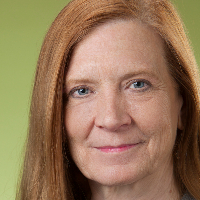



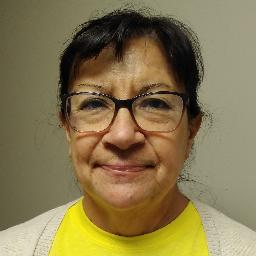














Mary Schoen
LICSW
Minnesota - 17 yrs exp





How CBT addresses sleeping disorders
Cognitive behavioral therapy for sleeping disorders focuses on the thoughts and habits that keep poor sleep patterns in place. When you struggle with falling asleep, staying asleep, or waking too early, your thoughts about sleep - worry about consequences, fear of another bad night, or rigid expectations about how much sleep you need - can increase arousal and make it harder to rest. CBT helps you identify and shift those unhelpful beliefs while also changing behaviors that work against good sleep.
The cognitive component guides you to notice patterns of thought that escalate anxiety at night and replace them with more balanced, realistic expectations. The behavioral component targets routines and environmental factors - for example, strategies that reduce the time spent awake in bed and strengthen the association between bed and sleep. Together these methods aim to reduce conditioned wakefulness and lower the physiological and mental activation that interferes with sleep.
What cognitive and behavioral techniques look like in practice
You can expect a CBT approach to incorporate both short-term strategies and longer-term skill building. Therapists often start by assessing your sleep history, daily schedule, and the thoughts that arise around bedtime. Behavioral techniques may include altering sleep schedules to consolidate rest, modifying daytime habits that influence sleep drive, and creating routines that signal the body it is time to wind down. Cognitive work focuses on challenging catastrophic thinking about sleep and testing assumptions through behavioral experiments.
Therapists may also teach relaxation and attentional skills that help you manage nighttime arousal. These skills are presented as tools you can practice outside of sessions so your nervous system learns new responses to the bedtime environment. The overall goal is practical - to reduce the chronic tension and repetitive worry that perpetuate sleep problems and to replace them with routines and attitudes that support predictable rest.
Finding CBT-trained help for sleeping disorders in Minnesota
When you search for a CBT therapist in Minnesota, look for clinicians who explicitly list training or experience treating sleep issues using CBT methods. In urban centers such as Minneapolis and Saint Paul you will often find clinicians with specialized training in sleep-focused CBT. In communities outside the Twin Cities, including Rochester and other regional hubs, clinicians may offer the same training through telehealth or periodic in-person clinics. Licensing credentials and a description of the therapist's specific experience with sleep-related work will help you assess fit.
Many therapists include information about their approach in their profiles - the types of CBT they practice, whether they focus on insomnia or other sleep disorders, and what kinds of clients they typically work with. You can also ask potential therapists about recent training, supervision in CBT for sleep, and whether they use sleep diaries and standardized measures to track progress. These details give you a clearer sense of whether the clinician has a focused approach to treating sleeping disorders.
What to expect from online CBT sessions for sleeping disorders
Online CBT sessions for sleep problems follow a similar structure to in-person care but with some practical differences. Your initial session will usually include a detailed sleep history and questions about daily routines, medication use, and factors that affect sleep. You may be asked to complete a sleep diary for one to two weeks so the therapist can see patterns in your sleep-wake cycle and tailor recommendations.
Subsequent sessions combine review of your diary, practice of behavioral techniques, and cognitive work aimed at reframing worries about sleep. Homework is a typical component: you will be asked to try new routines, record how changes affect your sleep, and practice relaxation or cognitive exercises between sessions. Many people find the flexibility of online sessions helpful because it can be easier to fit appointments into a busy schedule and to apply techniques in the environments where you sleep.
Evidence supporting CBT for sleeping disorders
CBT has been widely studied as a nonpharmacological approach to common sleep problems. Research over decades has shown that targeting the behavioral and cognitive contributors to poor sleep can produce meaningful improvements in sleep quality, sleep onset, and nighttime awakenings. Studies often compare CBT to sleep education or other interventions and report durable benefits for many people who complete a course of therapy.
In Minnesota, clinicians and academic centers have contributed to the wider evidence base by training therapists in evidence-informed approaches and by adapting methods for diverse patient needs. While individual outcomes vary, the general pattern in the literature supports the use of CBT techniques as a frontline option for many people seeking to reduce sleep difficulties without relying solely on medication. When evaluating a therapist, you can ask how they measure progress and what outcomes past clients typically experience.
Tips for choosing the right CBT therapist in Minnesota
Choosing a therapist is both practical and personal. Start by looking for professionals who describe specific experience with sleep-related CBT rather than general CBT experience alone. Ask whether they use sleep diaries, whether they are trained in particular protocols for insomnia or other sleep concerns, and how they monitor progress. You should also consider logistics - availability, insurance or payment options, and whether you prefer in-person sessions in Minneapolis, Saint Paul, or a telehealth option that reaches Rochester and surrounding areas.
Trust your sense of fit during an initial consultation. A good therapist will explain their approach in clear terms, outline typical session structure, and give you a realistic sense of the work involved. Inquire about how they handle overlapping issues such as mood, anxiety, or medical contributors to sleep problems so you can understand whether they will coordinate care with other providers if needed. The right match often depends on both clinical skill and how comfortable you feel discussing sleep-related concerns.
Preparing for therapy and next steps
Before your first appointment, consider tracking your sleep for a week or two so you have concrete information to share. Note bed and wake times, nighttime awakenings, daytime naps, and caffeine or alcohol use. Being ready with this information helps your therapist make targeted recommendations from the start. If you are balancing work, caregiving, or travel, discuss these constraints early so your therapist can adapt plans to fit your life.
Finding a CBT therapist who focuses on sleeping disorders in Minnesota can help you develop skills that improve sleep patterns over time. Whether you meet with someone in person in a city center or work with a clinician online, a structured CBT approach offers tools for addressing the thoughts and behaviors that maintain poor sleep. Use the listings above to compare clinicians, read their descriptions, and reach out to schedule an initial consultation when you are ready to begin.
Local considerations
In the Twin Cities you may find a variety of specialized programs and outpatient services that emphasize CBT for sleep. In smaller communities, telehealth has expanded access to clinicians with sleep-focused training. Wherever you are in Minnesota, a therapist who clearly explains their CBT methods and who helps you set measurable goals will be the most useful partner in improving your sleep.