Find a CBT Therapist for OCD in Mississippi
This page connects you with therapists in Mississippi who focus on treating obsessive-compulsive disorder using cognitive behavioral therapy. Review clinician profiles below to compare training, approaches, and service areas before reaching out.
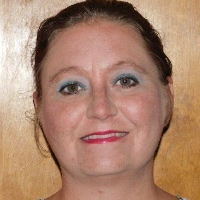










Hunter Burns
LPC
Mississippi - 4 yrs exp










How cognitive behavioral therapy treats obsessive-compulsive patterns
When you read about CBT for OCD, you will encounter two complementary strands - cognitive work that targets how you interpret intrusive thoughts and behavioral work that changes what you do when those thoughts arise. Clinicians who specialize in CBT start by helping you map the specific thoughts, images, and urges that feel distressing. You and your therapist look at the assumptions and meanings attached to those experiences, such as overestimation of threat or inflated responsibility. By gently challenging those interpretations you begin to shift how those thoughts influence your emotions and actions.
The behavioral side often centers on exposure with response prevention. Exposure means facing feared thoughts, images, or situations in a structured way while response prevention means deliberately not performing the ritual or avoidance that usually follows. Over time repeated, planned exposures reduce the intensity of the fear and the urge to perform rituals. Your therapist will guide exposures so they match your pace and tolerance - the goal is steady progress rather than sudden overwhelm. Cognitive techniques and behavioral experiments work together: as you test beliefs in real situations, the ideas that once kept compulsions functioning start to lose power.
Finding CBT-trained help for OCD in Mississippi
Searching for a CBT clinician in Mississippi means looking for specific training and practical experience with OCD interventions. Many therapists list CBT and exposure with response prevention, sometimes abbreviated as ERP, on their profiles. Licensure titles vary - you may find licensed counselors, social workers, or psychologists - and you can ask about specialized workshops, supervision, or certification focused on OCD and ERP. Local university clinics, community mental health centers, and private practices in Jackson, Gulfport, Hattiesburg, and Biloxi often have clinicians who emphasize evidence-based CBT approaches.
When you contact a therapist, ask about the kinds of OCD presentations they work with. OCD can show up as checking, contamination concerns, intrusive thoughts, ordering and symmetry needs, or compulsive mental rituals. A therapist experienced with a range of presentations is more likely to tailor CBT techniques to match your patterns, whether you live in a city or a smaller town in the state. Consider whether you prefer in-person visits or telehealth appointments, and whether the clinician offers resources like worksheets, audio-guided exercises, or coordination with other providers if you are managing medication alongside therapy.
What to expect from online CBT sessions for OCD
Online CBT sessions for OCD are structured and active. You can expect a typical session to begin with a brief check-in on recent exposures and any homework. The therapist will use that information to set an agenda, introduce a skill or adjustment, and plan exposures or behavioral experiments for the coming week. Many therapists assign homework between sessions because rehearsal in daily life is where much of the change happens. You will practice exposure tasks, track urges and rituals, and use cognitive tools to test unhelpful beliefs.
Telehealth makes it possible to receive CBT from your home, which can be especially useful if there are few specialists nearby. Virtual sessions allow the therapist to observe how certain environments trigger your symptoms and to design exposures that fit your actual living situation. Therapists take steps to ensure a professional and comfortable setting for sessions and will discuss expectations about privacy and interruptions at the outset. If you have concerns about internet access or need a hybrid model that mixes in-person and online visits, many clinicians can accommodate that need depending on availability.
Evidence supporting CBT for OCD and its use in Mississippi
CBT with exposure and response prevention is widely supported by research as an effective approach for reducing obsessive-compulsive symptoms across diverse settings. In Mississippi, clinicians who practice CBT draw on these well-established techniques when creating treatment plans. You can expect therapists to use structured assessments, measurable goals, and progress tracking because that approach aligns with the evidence base and helps tailor interventions to your response.
Community mental health clinics, private practices, and academic training sites in the state often incorporate evidence-based CBT methods into their offerings. If you are seeking clinicians tied to ongoing research or supervised training programs, you may find opportunities in larger centers or university-affiliated services. Even outside those settings, many licensed practitioners keep up with current guidelines and professional development in CBT for OCD so that treatment follows best practices rather than anecdote.
Tips for choosing the right CBT therapist for OCD in Mississippi
Choosing a therapist is both practical and personal. Start by looking for clinicians who explicitly mention CBT and exposure work for OCD on their profiles. When you reach out, ask about their experience with the specific type of OCD you are dealing with and how they typically structure a course of therapy. Good therapists will explain the role of homework, how exposures are planned, and how progress is measured. They will also discuss the expected duration of treatment and how they adapt techniques when you encounter setbacks.
Consider logistics that affect your ability to engage consistently. Think about whether you need evening or weekend availability, whether telehealth fits your schedule, and whether the therapist accepts your insurance or offers sliding scale options. If you live in Jackson or Gulfport, you may have access to a broader range of clinicians in person. In Hattiesburg or smaller towns, telehealth can expand your options. Match the therapist’s communication style with your preferences - some people want a directive coach who sets clear exposure goals, while others prefer a collaborative tone that explores thoughts and values in depth.
Another useful approach is to ask potential therapists about how they handle challenges such as intense anxiety during exposures or co-occurring concerns like mood or substance issues. You may also inquire whether they use standardized outcome measures to track change, which can give you a clearer sense of progress. Trust your judgment about rapport - feeling understood and respected is an important part of making CBT work because exposures require vulnerability and consistent effort.
Practical next steps
Begin by narrowing searches to clinicians who highlight CBT and ERP. Reach out for brief consultations - many therapists offer short phone or video contacts to answer questions about approach and availability. Prepare a few notes about the patterns that bother you most and what you hope to change so that initial conversations are focused. If you are balancing work or caregiving responsibilities, ask about flexible scheduling and homework expectations so you can plan realistically.
CBT for OCD is a collaborative process that asks you to practice new responses in the real world. Finding a therapist in Mississippi who understands the nuances of OCD and who communicates clearly about the treatment road ahead will make it easier for you to commit to the work and measure results. Use the listings on this page to compare clinicians, read profile details, and make inquiries that help you find a good match for your needs in Jackson, Gulfport, Hattiesburg, Biloxi, or elsewhere in the state.
When you are ready, reach out and set up a consultation. A conversation with a CBT-trained clinician can help you understand what a tailored treatment plan would look like and whether that therapist is the right fit for the next step in addressing your OCD concerns.