Find a CBT Therapist in Missouri
Welcome to our Missouri directory for CBT-trained online therapists.
Every professional listed is licensed and trained in Cognitive Behavioral Therapy (CBT), so you can focus on finding the right match for your goals.
Explore the listings to compare specialties, scheduling options, and the style of CBT support you want.







Hillary Haarmann
LCSW
Missouri - 20 yrs exp


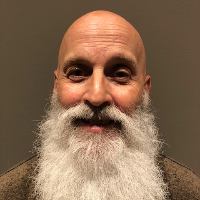








Cynthia Moses
LSCSW, LCSW
Missouri - 3 yrs exp






Finding CBT therapy in Missouri in 2026
If you are looking for Cognitive Behavioral Therapy (CBT) in Missouri, you are not alone. CBT is one of the most widely practiced, skills-based approaches in modern counseling, and many Missouri residents seek it for help with anxious thoughts, low mood, stress, and patterns that feel hard to break. What makes a CBT-focused directory useful is that it narrows your search to therapists who intentionally work from a CBT framework, rather than leaving you to guess from a general profile whether the clinician actually uses CBT methods.
Across Missouri, access can look different depending on where you live and what your schedule allows. In larger metro areas you may find more options for appointment times and specialties, while smaller communities can involve longer waits or more limited niche experience. Online therapy can help bridge that gap by letting you meet with a CBT-trained therapist serving Missouri without the commute, while still working with someone who understands the realities of living and working in the state.
Because CBT is structured and goal-oriented, it can be a strong fit for people who want a clear plan and practical tools. Many people also appreciate that CBT sessions often include between-session practice, so you are not relying on insight alone. Instead, you are building skills you can use in real moments, like challenging unhelpful thoughts, reducing avoidance, and experimenting with new behaviors.
Why online CBT can work especially well for Missouri residents
Online CBT can be a practical option if your days are packed, you have limited transportation, or you prefer meeting from home. Missouri includes dense urban areas, sprawling suburbs, and rural regions where the nearest specialist may be far away. With online sessions, you can often access a wider range of CBT-trained therapists serving Missouri, which can matter if you want someone experienced with a specific concern such as panic, OCD, trauma-related symptoms, insomnia, or perinatal anxiety.
Meeting online can also support consistency. CBT tends to work best when you can meet regularly enough to learn skills, review practice, and adjust strategies based on what happens in your week. When you remove driving time, weather disruptions, and parking hassles, it can be easier to keep appointments and maintain momentum. If you travel for work across the state or your schedule changes seasonally, online sessions can help you stay connected to the same therapist and the same plan.
Another advantage is that online CBT can make it easier to practice skills in context. For example, if you are working on social anxiety, you and your therapist might plan small, realistic experiments you can do between sessions in your actual environment. If you are working on organization and procrastination, you can review your routines and set up a practical system that fits your home and work life. The goal is not perfection. It is learning what helps, what gets in the way, and how to respond differently next time.
What CBT looks like when it is done well
CBT is often described as a collaboration. You bring your lived experience, your values, and what you want to change. Your therapist brings training in how thoughts, emotions, body sensations, and behaviors interact, along with tools for shifting patterns. In many CBT sessions, you will work together to define a specific target, such as reducing panic attacks, improving sleep, increasing motivation, or feeling less controlled by worry.
From there, CBT typically involves mapping patterns and testing alternatives. You might learn how to notice automatic thoughts, evaluate them more realistically, and practice more balanced thinking that still feels believable to you. You might also work on behavioral strategies, such as gradual exposure to feared situations, activity scheduling when depression has narrowed your world, or building routines that support follow-through.
Good CBT is not about forcing positivity or dismissing real problems. It is about increasing flexibility in how you interpret situations and how you respond. Many people find this empowering because it gives you a way to intervene when your mind is stuck in loops, your body is on high alert, or your habits are pulling you away from what matters.
Common concerns CBT-trained therapists in Missouri often help with
People seek CBT for many reasons, and you do not need a perfect label for your experience to start. CBT is commonly used when you feel trapped by worry, rumination, avoidance, or intense self-criticism. Many Missouri residents look for CBT support for anxiety, depression, stress, and burnout, especially when symptoms are affecting work, school, relationships, or sleep.
CBT is also frequently used for panic and phobias, where the cycle of fear and avoidance can shrink your life. For OCD, CBT often includes exposure and response prevention (ERP), a specialized behavioral method that targets compulsions and reassurance-seeking. If OCD is part of your picture, it can help to look for a therapist who explicitly mentions ERP experience and can describe how they structure that work.
Other areas where CBT skills can be relevant include health anxiety, social anxiety, perfectionism, disordered eating patterns, insomnia, anger management, and adjustment to major life changes. Some therapists also integrate CBT principles when working with trauma-related symptoms, often alongside other evidence-informed methods. The right therapist will talk with you about what you are experiencing, what you want to change, and how CBT tools might be tailored to your situation.
How the structured nature of CBT translates to online sessions
CBT often follows a clear rhythm, which can make online work feel focused rather than vague. Many sessions include a brief check-in, a shared agenda, and time to review what you practiced since the last appointment. You might spend part of the session learning a new skill, such as identifying thinking traps, building a fear ladder for exposure, or using problem-solving steps for a stressful situation. Then you and your therapist decide what you will practice before the next meeting.
Online sessions can support this structure because you can easily reference worksheets, tracking tools, or shared notes. You may also find it easier to integrate practice into your daily routine when your therapy happens in the same environment where you live your life. If you are working on sleep habits, for example, you can discuss your actual bedtime routine. If you are working on organization, you can set up a plan that fits your real schedule and responsibilities.
That said, online CBT still depends on good fit and good planning. You will want a quiet place where you can focus, a stable internet connection, and a plan for what to do if you get interrupted. If you live with others, you can discuss boundaries, use a white-noise machine outside the door, or schedule sessions when you are least likely to be disturbed. The goal is a comfortable environment that helps you speak openly and stay engaged.
How to verify a Missouri therapist’s license and CBT training
When you are choosing an online therapist serving Missouri, start by confirming licensure. A licensed clinician should clearly list their license type and the state where they are licensed. In Missouri, common license categories include professional counselors, clinical social workers, psychologists, and marriage and family therapists. If anything is unclear, it is appropriate to ask directly which license they hold and whether they are authorized to provide telehealth services to clients located in Missouri.
You can also verify a license through Missouri’s official licensing resources. Many state boards provide online lookup tools where you can confirm license status and see whether it is active. If you are not sure which board applies to the therapist’s profession, you can ask the therapist for guidance on where to verify their credential.
CBT training can be verified in a few practical ways. First, read the therapist’s profile for details beyond the word “CBT.” Strong indicators include descriptions of specific CBT methods they use, how they structure sessions, and what kinds of between-session practice they assign. Second, ask about their education and continuing training in CBT. Many clinicians pursue workshops, consultation groups, and formal certifications. Third, ask how they measure progress. While therapy is not a math problem, CBT therapists often track symptoms, behaviors, or goals over time so you can see what is changing and what needs adjustment.
Tips for choosing the right CBT therapist in Missouri
Look for a match between your goals and their CBT focus
CBT is a broad umbrella, and therapists may emphasize different parts of it. Some focus heavily on cognitive restructuring and thought work, while others emphasize behavioral experiments, exposure, or habit change. If your main struggle is avoidance, you may want someone who is comfortable designing gradual exposure and helping you follow through. If rumination and self-criticism dominate your days, you may want someone skilled at cognitive techniques and building self-compassionate, realistic thinking.
Ask what a typical course of CBT looks like with them
You can learn a lot by asking a simple question: “How do you usually run CBT sessions?” A CBT-trained therapist should be able to explain how they set goals, how they choose interventions, and what they expect you to practice between sessions. If you prefer a more structured approach, say so. If you want flexibility because your life is unpredictable, you can ask how they adapt CBT plans when your week goes off the rails.
Consider experience with your specific concern
Even within CBT, different concerns call for different tools. OCD treatment often requires ERP. Insomnia work often involves CBT-I strategies. Panic treatment may involve interoceptive exposure and changing safety behaviors. You do not need a therapist who has seen your exact story, but it helps if they have clear experience with the patterns you are describing and can explain what CBT techniques they use for those patterns.
Pay attention to the working relationship
CBT is practical, but it is still deeply human. You should feel respected and understood, and you should feel like you can ask questions. In a first session, notice whether the therapist is curious about your goals, whether they collaborate rather than lecture, and whether they can hold both compassion and accountability. The best CBT work often feels like a supportive partnership with honest feedback and a shared commitment to change.
Think through logistics that support consistency
Online therapy works best when it fits your life. Consider appointment times, frequency, and what happens if you need to reschedule. If you are in Missouri and your schedule shifts with seasonal work, school calendars, or caregiving demands, you can ask about options for maintaining continuity. Consistency matters because CBT builds skill over time, and small weekly steps can add up to meaningful change.
Using this Missouri CBT directory to get started
As you browse, try to narrow your search by what you want to work on, the kind of CBT structure you prefer, and practical details like availability. If you are unsure where to begin, start with your main goal in plain language, such as “I want fewer panic spikes,” “I want to stop avoiding,” or “I want to get back to doing things I care about.” A CBT-trained therapist serving Missouri can help you translate that goal into a plan with measurable steps, realistic practice, and a pace that matches your life.
When you are ready, reach out to a few therapists who seem like strong matches. A brief message about what you are looking for and what times you are available can help you find the right fit faster. With the right CBT support, you can build practical tools and a clearer path forward, one skill and one week at a time.
Browse Specialties in Missouri
Mental Health Conditions (35 have therapists)
Addictions
176 therapists
ADHD
166 therapists
Anger
220 therapists
Bipolar
168 therapists
Chronic Pain
63 therapists
Compulsion
87 therapists
Depression
273 therapists
Dissociation
48 therapists
Domestic Violence
88 therapists
Eating Disorders
63 therapists
Gambling
49 therapists
Grief
236 therapists
Guilt and Shame
197 therapists
Hoarding
34 therapists
Impulsivity
109 therapists
Isolation / Loneliness
170 therapists
Mood Disorders
164 therapists
Obsession
87 therapists
OCD
87 therapists
Panic Disorder and Panic Attacks
141 therapists
Personality Disorders
81 therapists
Phobias
61 therapists
Post-Traumatic Stress
161 therapists
Postpartum Depression
82 therapists
Seasonal Affective Disorder (SAD)
126 therapists
Self Esteem
274 therapists
Self-Harm
95 therapists
Sexual Trauma
91 therapists
Sleeping Disorders
86 therapists
Smoking
38 therapists
Social Anxiety and Phobia
171 therapists
Somatization
24 therapists
Stress & Anxiety
285 therapists
Trauma and Abuse
240 therapists
Trichotillomania
13 therapists