Find a CBT Therapist for Addictions in Missouri
This page connects you to therapists in Missouri who use cognitive behavioral therapy (CBT) to address addictions and related behaviors. Explore practitioner profiles, compare approaches, and browse listings below to find a CBT clinician who fits your needs.





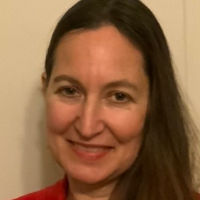
Hillary Haarmann
LCSW
Missouri - 20 yrs exp
















How CBT Works to Treat Addictions
Cognitive behavioral therapy approaches addiction by focusing on the links between thoughts, feelings, and actions. In CBT you will work with a therapist to identify patterns of thinking that contribute to urges and to develop more helpful responses. Rather than relying on willpower alone, CBT equips you with skills for recognizing high-risk situations, interrupting automatic thought patterns, and rehearsing alternative behaviors that reduce harm and support recovery.
Your therapist may use behavioral techniques to change what you do in the moment and cognitive techniques to change how you interpret triggers. Behavioral work can include structured exposure to tempting situations while practicing coping strategies, activity scheduling to reduce boredom and isolation, and developing routines that support your goals. Cognitive work often involves examining assumptions about yourself and substances or behaviors, testing those beliefs through experiments, and reframing thoughts that increase craving or hopelessness. Over time these approaches combine to weaken the link between trigger and use, and to strengthen healthier habits.
Relapse Prevention and Skill Building
A central component of CBT for addictions is relapse prevention. In this approach you learn to map the chain of events that lead to use, spot early warning signs, and enact specific plans to manage cravings. Therapists guide you in building a toolbox of coping strategies that may include urge surfing, thought-stopping techniques, problem solving for stressors, and social skills for navigating triggers in relationships and environments. The emphasis is on practical, repeatable strategies you can use outside of sessions so gains extend into everyday life.
Finding CBT-Trained Help for Addictions in Missouri
When you start searching for a CBT therapist in Missouri, consider credentials and specialized training in cognitive behavioral approaches. Licensed clinicians with experience in addiction treatment often have additional training in CBT protocols tailored to substance-related or behavioral addictions. You can look for therapists who describe specific CBT methods such as cognitive restructuring, behavioral experiments, or relapse prevention in their profiles, and who note experience working with clients who face similar challenges to yours.
Geography matters for access to in-person care. Larger metropolitan areas like Kansas City and Saint Louis offer a broader pool of clinicians with specialized CBT training, while communities such as Springfield, Columbia, and Independence may have skilled therapists who combine CBT with other supportive services. If you prefer in-person work, filter listings by location and read therapist profiles for details on office setting, hours, and whether they focus on addiction-related work. If you are open to remote sessions, that expands your options across Missouri and lets you connect with clinicians who may not be nearby but have the specific CBT experience you want.
Questions to Ask When Contacting a Therapist
When you reach out to a potential CBT therapist, prepare a few questions that help you understand their approach and fit. Ask how they apply CBT to addiction - whether they use structured homework assignments, how they track progress, and how they address cravings and relapse risk. Inquire about their experience with the specific substance or behavior you are concerned about, and whether they work with co-occurring issues like anxiety or mood challenges. It is also reasonable to ask about session length, frequency, fee structure, and whether they accept your insurance. Clear expectations during initial contact help you choose a clinician whose style matches your needs.
What to Expect from Online CBT Sessions for Addictions
Online CBT sessions follow many of the same principles as in-person work, with adjustments for the virtual setting. In early sessions you will typically complete an assessment of recent patterns, set concrete goals, and learn an initial set of coping skills. Sessions often include review of homework assigned between meetings, role-play or guided practice of skills, and planning for real-world application.
Technology allows you to access clinicians across Missouri, which can be particularly helpful if local options are limited where you live. You should expect a collaborative relationship where you and your therapist agree on goals and measurable steps. Homework is a cornerstone of CBT, so you will likely be given exercises to practice coping strategies, record triggers and responses, and test new behaviors. These assignments are designed to consolidate learning and make change more likely in daily life.
Because addiction can involve safety concerns, a therapist offering online sessions will work with you to develop a plan for crisis situations that uses resources available in your area. That plan may include local emergency contacts, outpatient services in Missouri cities such as Kansas City or Saint Louis, and practical steps you can take if cravings escalate. Knowing these supports in advance helps you engage in therapy with confidence and clarity about handling urgent moments.
Evidence Supporting CBT for Addictions in Missouri
CBT is widely used across clinical settings and is recognized for its focus on practical skills and measurable outcomes. In Missouri, treatment programs and clinicians often integrate CBT into outpatient services, individual therapy, and group work because it can be adapted to different substances and behaviors and to diverse populations. The emphasis on skill-building makes CBT well suited to both short-term-focused work and longer-term maintenance strategies that help you reduce use, manage urges, and rebuild daily routines.
Local clinicians often combine CBT with other supportive approaches such as motivational enhancement or family-involved work to address the broader context of addiction. When you review profiles and program descriptions, look for therapists who describe how they tailor CBT to your life circumstances - for example by addressing stressors related to work or relationships in Kansas City, or by coordinating care with medical providers in Saint Louis. A blended approach that keeps CBT techniques central can be especially effective for sustained change.
Tips for Choosing the Right CBT Therapist in Missouri
Choosing a therapist is a personal decision that involves more than credentials. You should consider how well a therapist’s communication style and cultural perspective align with your preferences. Trust your response to an initial consultation - a good therapeutic fit often shows up in the way a clinician listens, asks about your goals, and responds with concrete strategies rather than general reassurances. If you are balancing life demands, consider clinicians who offer flexible scheduling or shorter session formats so you can attend consistently.
Insurance and cost are practical factors that shape access. Ask about sliding scale options or whether the clinician works with insurance plans common in Missouri. If you are seeking in-person care, note whether the therapist has convenient offices near transit routes or major neighborhoods in Springfield or Independence. If you prefer online therapy, confirm that the clinician is licensed to practice in Missouri so that you receive care aligned with state standards.
Finally, think about measurable outcomes. A CBT therapist should be willing to set clear goals with you and to track progress. Whether your aim is to reduce use, stop altogether, or manage triggers more effectively, regular review of your progress helps you see what is working and what needs adjustment. Over time you should notice changes in how you respond to cravings and how often risky situations lead to use.
Taking the Next Step
Finding a CBT therapist who understands addictions and who fits your life in Missouri is a meaningful step toward change. Use the listings on this site to compare clinicians by approach, experience, and availability. When you contact a clinician, trust your judgment and look for someone who explains CBT in clear terms and who offers practical strategies you can use between sessions. With the right fit and consistent practice of CBT skills, you can build new habits and reduce the hold that addictive patterns have on your daily life.