Find a CBT Therapist for Compulsion in Missouri
This page lists cognitive behavioral therapy (CBT) clinicians in Missouri who focus on treating compulsion. You will find providers trained in CBT approaches and tools designed to address repetitive behaviors and urges. Browse the therapist listings below to compare qualifications, methods, and availability.







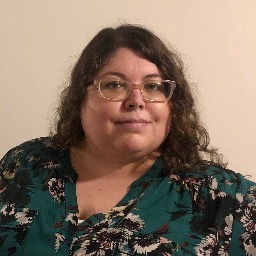
Jessica Erickson
LPC
Missouri - 5 yrs exp












How CBT approaches compulsion
Cognitive behavioral therapy addresses compulsion by targeting the thoughts and behaviors that maintain repetitive actions. Compulsive behaviors often persist because they provide short-term relief from distressing thoughts or feelings, which reinforces the cycle. CBT helps you identify the triggering thoughts and the immediate rewards that maintain the behavior, then teaches alternative responses so that the urge gradually loses its grip.
Cognitive techniques
In CBT you will work with a clinician to examine beliefs and assumptions that feed compulsive behavior. You learn to evaluate the likelihood and meaning of feared outcomes and to test the accuracy of catastrophic thinking. Cognitive techniques may include guided questioning, reality testing, and behavioral experiments that challenge unhelpful beliefs. Over time these exercises weaken the link between distressing thoughts and the need to act on them.
Behavioral techniques
Behavioral strategies are a core component of CBT for compulsion. One of the most widely used methods is exposure combined with response prevention, a structured process that gradually brings you into contact with triggers while preventing the usual compulsive response. This helps the nervous system learn that distress can diminish without performing the behavior and that feared consequences are often unlikely or manageable. Therapists also use skills such as habit reversal and activity scheduling to replace compulsive routines with healthier patterns.
Finding CBT-trained help for compulsion in Missouri
When you are searching for a CBT clinician in Missouri, look for training specifically in evidence-based techniques that address compulsive behavior. Many therapists list CBT and exposure-based approaches on their profiles, and some will have additional certifications or supervised experience in treating repetitive behaviors. You can narrow your search by location, reading provider bios, and noting whether they work with adults, adolescents, or both.
Missouri offers a range of options from urban centers to smaller communities. In Kansas City you may find clinicians with experience in both private practice and hospital-affiliated programs. Saint Louis often has therapists connected with university training clinics where clinicians-in-training work under licensed supervisors. In Springfield and other cities you can find clinicians who offer in-person sessions as well as telehealth, which expands access if you are outside major metropolitan areas.
What to expect from online CBT sessions for compulsion
Online CBT sessions are increasingly common and can be an effective way to receive consistent care. An online session typically begins with an intake that explores your history, the nature of the compulsive behaviors, and any patterns of avoidance or triggers. Your therapist will collaborate with you to develop a treatment plan that includes specific goals and homework exercises to practice between sessions.
Exposure-based work can be adapted to remote formats. Your therapist will guide you through exposures using your home environment as a learning space and will support you while you practice response prevention. This approach allows you to address the situations that most frequently prompt compulsive actions in the context where they occur. You will also receive cognitive strategies and coping skills to manage urges and reduce distress.
Online therapy requires good communication about logistics - the platform you use, session length and frequency, and how to handle emergencies or acute distress. Many clinicians also use brief measures or progress tracking tools so you can see changes over time. If you prefer in-person work, check for clinicians in cities such as Kansas City, Saint Louis, or Springfield who offer office-based sessions.
Evidence supporting CBT for compulsion in Missouri
Research has repeatedly shown that CBT, particularly exposure with response prevention, is an effective framework for addressing many forms of compulsion. Clinicians in Missouri draw on this body of evidence and adapt protocols to fit individual needs. Academic centers and community clinics in the state contribute to training and ongoing evaluation of these methods, which supports consistent standards of practice.
When discussing evidence with a therapist, you can ask how they measure progress, which techniques they use most often, and whether they follow manualized protocols. Therapists who work in or near university towns may also be involved in training programs or clinical research, which can indicate familiarity with current best practices. The key consideration is that your provider can explain why a particular strategy is being used and how you will know if it is helping.
Tips for choosing the right CBT therapist in Missouri
Choosing a therapist is a personal process. Start by verifying that a clinician has training in CBT and experience working with compulsive behaviors. Ask about specific techniques such as exposure and response prevention and how they tailor treatment to different ages and life circumstances. It is reasonable to inquire about average course length, session frequency, and what homework you will be expected to complete.
Consider practical matters as well. If you need in-person sessions, note whether the therapist sees clients in locations that are convenient for you. If travel is difficult, telehealth options can broaden your choices. In urban areas like Kansas City and Saint Louis you may have a wider range of specialists, while smaller cities may offer clinicians who provide hybrid models. Also check whether the therapist accepts your insurance or offers a sliding scale if cost is a concern.
Trust and rapport matter. In early sessions evaluate whether the therapist listens, explains techniques clearly, and makes collaborative decisions about goals. A good CBT therapist will teach you skills you can practice and will invite your feedback about what is or is not working. You should feel that your treatment plan is personalized rather than one-size-fits-all.
Practical next steps and local considerations
Once you identify a few potential therapists, reach out to schedule a brief consultation to ask about their CBT experience and how they approach compulsion. Prepare questions about session structure, expected duration of treatment, and how progress is tracked. If you live in or near Kansas City, Saint Louis, or Springfield you can also ask about nearby support resources and whether the clinician collaborates with psychiatrists or primary care providers when medication consultation is needed.
Remember that starting therapy is a step-by-step process. You may need to try a couple of clinicians before finding the right fit. Keep the focus on workable strategies - cognitive tools, exposure practice, and daily habit changes - that help you regain a sense of control over repetitive behaviors. Use the listings above to compare credentials, specialties, and formats, and reach out to schedule an initial conversation with a CBT-trained therapist near you.
If you are ready to begin, browse the profiles below to find a Missouri CBT clinician who matches your needs, and book a consultation to discuss how CBT can be applied to your situation. Taking the first step toward an evidence-based approach can help you learn practical skills to reduce the influence of compulsion on your daily life.