Find a CBT Therapist for Grief in Missouri
This page lists therapists in Missouri who use cognitive behavioral therapy to help people navigate grief and bereavement. Browse the profiles below to find clinicians trained in CBT across Kansas City, Saint Louis, Springfield and other communities.







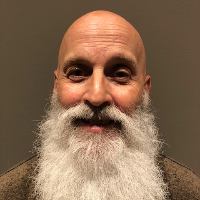
Hillary Haarmann
LCSW
Missouri - 20 yrs exp
















How CBT approaches grief
When someone says they are grieving, what they often mean is that their life has changed in ways that touch thinking, feeling and everyday behavior. Cognitive behavioral therapy - CBT - approaches those changes by looking closely at the links between thoughts, emotions and actions. Rather than promising a quick fix, CBT offers practical strategies that help you find ways to cope with painful memories, reduce emotional reactivity, and gradually re-engage in meaningful activities.
In the context of grief you and your therapist will pay attention to patterns that maintain distress. That could include repetitive, critical thoughts about yourself or the circumstances of a loss, avoidance of places or memories that are linked to the person who died, or withdrawal from social contacts that once provided support. CBT treats these patterns as learned responses that can be examined and shifted through structured work - targeted conversations, behavioral experiments, and skill practice between sessions.
Cognitive work - shifting unhelpful beliefs
Cognitive techniques in grief-focused CBT help you identify and test beliefs that intensify suffering. You may be carrying blame, guilt, or the sense that moving forward means betraying the person who died. CBT gives you tools to explore the accuracy and usefulness of those thoughts. Through guided questioning and reality testing you learn to consider alternative interpretations that reduce self-blame and open up options for meaningful action.
Behavioral work - rebuilding a life with intention
Behavioral strategies are central to CBT and often bring quick, tangible relief. You will work with a therapist to create a plan for activities that restore structure, reintroduce rewarding experiences and gradually confront avoided places or memories in a controlled way. Behavioral activation helps counter the inertia that can follow loss, while exposure-based exercises allow painful memories to be processed rather than avoided. Over time this combination of cognitive and behavioral work can help you regain a sense of agency and purpose.
Finding CBT-trained help for grief in Missouri
Searching for a therapist who knows CBT and understands grief begins with a few targeted questions. Look for licensed clinicians who list cognitive behavioral therapy among their primary approaches and who note experience with bereavement, loss or trauma-related grief. Many providers include short bios that describe training, certifications, and continuing education focused on grief-specific interventions. If you live in or near larger hubs such as Kansas City, Saint Louis or Springfield, you will likely find a wider range of clinicians with specialized training, but smaller communities in Missouri also have skilled therapists who offer focused CBT work.
When evaluating profiles you can check whether a clinician mentions assessment measures for grief, structured treatment plans, or the use of homework and worksheets - these are common components of CBT. It is also reasonable to inquire about experience with types of loss that matter to you - whether the death was sudden, expected, related to illness, or complicated by other factors. A therapist who has worked with similar situations can often move more quickly to helpful strategies.
What to expect from online CBT sessions for grief
Online CBT sessions are increasingly common and can be an effective option in Missouri whether you are in a city neighborhood or a rural county. In an initial session you can expect an assessment that explores the history of the loss, current symptoms, coping strategies, and goals for therapy. The therapist will typically explain the CBT model and outline a tentative plan with short-term goals and concrete interventions.
Subsequent sessions often include a mix of cognitive work - such as identifying dominant unhelpful thoughts - and behavioral tasks like scheduling meaningful activities or conducting exposure exercises. You will be invited to try exercises between sessions and to reflect on what changed. Technology makes it easy to share worksheets, mood tracking tools and audio recordings, while offering flexibility in scheduling for people balancing work, family or travel across Missouri.
To get the most from online sessions, choose a private, comfortable environment where interruptions are minimized and you can speak freely. Before starting, check the clinician's approach to confidentiality, how they handle emergencies, and the platform or method they use for telehealth. Many therapists in Kansas City, Saint Louis and Springfield offer both in-person and virtual sessions, so you can choose what fits your needs.
Evidence and outcomes for CBT in grief work
CBT is considered an evidence-informed approach for addressing the psychological and behavioral challenges that often accompany grief. Research literature has shown that structured CBT techniques - cognitive restructuring, exposure, and behavioral activation - can help reduce persistent distress, improve daily functioning, and support adaptive coping. In Missouri, clinicians and training programs draw on this body of research when designing treatment plans, and many therapists incorporate outcome measures to track progress over time.
Evidence does not mean that grief will be erased. Instead, research points to improved ability to manage symptoms, better engagement with life, and clearer goals for the future. If you are wondering about the research base, ask prospective therapists about the approaches they use and whether they monitor outcomes with validated questionnaires. A transparent clinician will explain how evidence informs their work and what kinds of changes you might reasonably expect during a course of CBT.
Choosing the right CBT therapist for grief in Missouri
Finding the right fit involves both practical considerations and a sense of personal alignment. Start by clarifying what you need - do you want short-term focused work, support after a major loss, help with complicated grief reactions, or assistance returning to daily routines? Use those priorities to narrow your search. Check whether a clinician offers evening or weekend appointments if that matters, what they charge, whether they accept your insurance, or if they provide sliding scale fees.
When you contact a therapist, ask about specific training in CBT for grief. Inquire how they integrate cognitive and behavioral techniques, what homework might look like, and how long a typical treatment course lasts. It is important that you feel heard from the first call - the therapeutic relationship itself is a central part of healing. If you are located near Kansas City, Saint Louis, Springfield or Columbia, you may have the option of meeting therapists in person to get a better sense of fit. In smaller towns, virtual consultations can accomplish the same introduction.
Consider culturally responsive care as well. Grief is experienced through cultural, religious and familial lenses, and you should feel comfortable discussing customs, rituals and values with your therapist. Ask how they approach cultural differences and whether they have experience supporting people from backgrounds similar to yours. The right therapist will adapt CBT techniques to honor what matters most to you while helping you move toward the goals you set together.
Next steps
Exploring CBT options for grief in Missouri starts with a few conversations. Use the listings on this page to compare clinicians, read profiles, and request initial consultations. An initial visit is an opportunity to see how a therapist explains the CBT approach, what a treatment plan might look like, and whether their style fits your needs. Over time, CBT can provide a clear framework for managing painful thoughts and rebuilding everyday life after a loss. When you are ready, reach out to a therapist nearby - in Kansas City, Saint Louis, Springfield or elsewhere in Missouri - and take the first step toward targeted, practical support for grief.