Find a CBT Therapist for Relationship in Missouri
This page lists CBT therapists in Missouri who focus on relationship concerns. Use the CBT-focused profiles below to compare clinicians, learn about their approaches, and find one to contact.







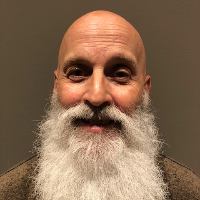
Hillary Haarmann
LCSW
Missouri - 20 yrs exp








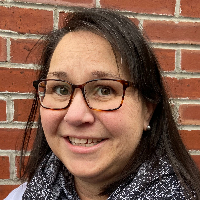

Cynthia Moses
LSCSW, LCSW
Missouri - 3 yrs exp






How CBT addresses relationship difficulties
When relationship challenges arise, thoughts, feelings, and behaviors interact in ways that keep patterns repeating. Cognitive behavioral therapy helps you identify those patterns and then test and change them. On the cognitive side you learn to notice automatic thoughts and assumptions that shape how you interpret your partner's actions. Those interpretations drive emotional responses and the behaviors that follow - such as withdrawal, criticism, or avoidance. By examining the evidence for those thoughts and considering alternative explanations, you can reduce escalation and open space for different responses.
Cognitive mechanisms
CBT teaches you to recognize cognitive distortions that are common in relationships, such as mind reading, overgeneralization, or catastrophizing. You will work with your therapist to map how a particular thought led to a feeling and then to a behavior. That mapping helps you interrupt reactive cycles. With practice you become better at pausing before responding, which changes the emotional climate between you and your partner.
Behavioral techniques
On the behavioral side CBT emphasizes experiments and skill building. You may practice communication skills, scheduling positive interactions, or structured problem-solving exercises. Therapists often assign small, measurable tasks to test new behaviors and show you that different actions produce different outcomes. Over time those successful experiences help form new habits, making constructive patterns more likely to stick.
Finding CBT-trained help for relationship in Missouri
When you look for help in Missouri, focus on clinicians who list cognitive behavioral therapy among their primary approaches for relationship work. Licensing and local practice rules vary, so check that the clinician holds an appropriate license for psychotherapy in Missouri. Many therapists who specialize in CBT will note additional training in couples work, communication-focused interventions, or related modalities that can be used alongside CBT. You can search by city names like Kansas City, Saint Louis, or Springfield to find therapists who offer in-person sessions, or broaden the search to include telehealth options if you prefer to meet from home.
In metropolitan areas such as Kansas City and Saint Louis you will often find clinicians with specialized training in both individual and couples CBT. Smaller communities like Springfield or Columbia may have fewer options, but many therapists offer remote sessions that serve those areas. When evaluating profiles, look for descriptions of the therapist's experience with relationship issues, examples of typical treatment goals, and any mention of training in structured CBT techniques for couples or partners.
What to expect from online CBT sessions for relationship
Online CBT sessions follow the same principles as in-person work. You and your therapist will clarify goals, assess the patterns that maintain the problem, and agree on targeted strategies to address those patterns. Sessions are typically structured and time-limited, with a mix of discussion, skill practice, and assigned tasks to complete between meetings. If you attend with a partner, your therapist will guide interactions, help you practice new communication approaches during the session, and debrief how those experiments felt.
Technology makes it easier to access skilled CBT therapists who may not be available locally. You should expect a clear plan for how sessions will proceed, including how homework will be tracked and how progress will be measured. If you choose remote work, make sure you have a comfortable environment for sessions and understand the platform your therapist uses. Many clinicians will provide guidance on how to get the most out of online appointments and how to maintain focus when doing emotionally charged work at home.
Evidence and effectiveness of CBT for relationship concerns
Research and clinical practice indicate that CBT techniques can be effective for a range of relationship concerns. CBT-based approaches target both the thinking patterns and the interactional behaviors that contribute to distress, making them well suited to address repeated cycles of conflict, avoidance, or emotional disconnection. Studies often show improvements in communication, reductions in negative interaction patterns, and increased relationship satisfaction when CBT methods are applied consistently.
In Missouri, therapists trained in CBT apply these evidence-informed methods in community clinics, private practices, and online settings. While outcomes depend on many factors - including the severity of the issues, motivation for change, and the fit between you and your therapist - CBT's structured nature gives you a clear framework for measuring progress. If you are curious about the evidence, ask prospective therapists how they track outcomes and what typical timelines look like for the kinds of concerns you bring.
Tips for choosing the right CBT therapist for relationship work in Missouri
Start by clarifying what you want to change and what feels most important to you. That clarity will help you evaluate whether a therapist's focus matches your needs. Read profiles and pay attention to how therapists describe their CBT work with couples or partners. Look for practitioners who explain specific techniques they use, such as thought monitoring, behavioral experiments, or structured communication exercises. You should also consider practical matters - whether they offer sessions in your area or online, their availability, and whether their fees align with your budget or insurance options.
When you contact a therapist, ask about their experience treating relationship problems similar to yours and how they integrate CBT into that work. It is reasonable to ask for a brief initial conversation to get a sense of the therapist's style and whether you and any partner feel comfortable with them. Comfort and rapport matter because CBT requires honest reflection and homework practice. In cities like Kansas City, Saint Louis, and Springfield you may be able to find clinicians who specialize in working with particular populations or relational dynamics, such as parenting partners, blended families, or couples navigating life transitions. If you live outside a major city, consider therapists who offer telehealth, which can expand your options significantly.
Finally, consider logistical details that influence your ability to stick with treatment. Ask about session length, expected duration of treatment, cancellation policies, and how progress is reviewed. Therapists who use CBT typically set measurable goals and revisit them periodically, so inquire how you will know when meaningful change has occurred. If you have practical constraints like work schedules or childcare needs, ask whether evening or weekend appointments are available or if shorter, more frequent sessions are an option.
Making the most of CBT for relationship concerns
CBT works best when you actively engage with both the in-session work and the practical exercises that follow. Expect to practice new skills between sessions and to reflect on what helps and what does not. If you attend with a partner, agree on small experiments you can try together and plan time to discuss what you learned. Over weeks and months, those repeated practices can shift patterns and create more satisfying interactions.
Whether you are searching in Kansas City, Saint Louis, Springfield, or elsewhere in Missouri, choosing a therapist who aligns with your goals and uses clear CBT methods will give you a concrete path forward. Use the profiles on this page to compare approaches, reach out for an initial conversation, and choose a therapist who feels like a good match for the work you want to do.