Find a CBT Therapist in Nebraska
Welcome to our Nebraska directory for online Cognitive Behavioral Therapy (CBT). Every therapist listed here is licensed and trained in CBT.
Explore the profiles to compare specialties, session options, and fit, then reach out to start your next step.










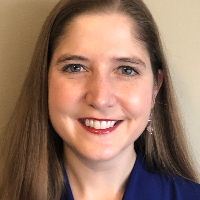
Debby Sawyer
LIMHP
Nebraska - 33 yrs exp













Finding CBT therapy in Nebraska in 2026
If you are looking for a practical, skills-based approach to therapy in Nebraska, Cognitive Behavioral Therapy (CBT) is often a strong place to start. CBT-trained therapists focus on the connection between your thoughts, feelings, and actions, and they work with you to test patterns that keep you stuck. In Nebraska, CBT is widely used across counseling practices, community clinics, and group settings, and it is also well suited to online care. That means you can often find support that matches your schedule and location, whether you live in Omaha, Lincoln, Grand Island, Kearney, Scottsbluff, or a smaller community where options are more limited.
Because this page is a CBT-focused directory, the therapists you see here emphasize CBT skills and structured treatment planning. Many clinicians also integrate related approaches such as exposure-based methods, behavioral activation, problem-solving therapy, or mindfulness-informed CBT, depending on your goals. When you browse profiles, you are not just looking for someone who offers general counseling. You are looking for a clinician who can explain how CBT works, what you will practice between sessions, and how you will track progress over time.
Why online CBT can work especially well for Nebraska residents
Online therapy can make CBT easier to access across Nebraska’s mix of urban centers and wide rural areas. If you have a long drive to the nearest provider, a busy work schedule, or limited childcare, meeting online can reduce the friction that sometimes prevents people from starting or staying with therapy. It can also help when weather, travel, or seasonal demands make in-person appointments harder to keep. For many people, the best therapy is the one you can attend consistently, and online sessions can support that consistency.
Online CBT can also fit naturally into your day-to-day life. CBT often involves noticing patterns in real time, practicing coping strategies, and trying new behaviors between sessions. When you meet from home or another familiar setting, you may find it easier to apply what you discuss right where your routines happen. For example, you might review a thought record after a stressful email, practice a breathing technique before a meeting, or plan a gradual exposure exercise related to driving, social situations, or specific fears. The online format can make these steps feel more immediate and relevant.
Another benefit is choice. If you live in a smaller Nebraska town, your local options may be limited by availability or by specialty. Online care can broaden your ability to find a CBT-trained therapist whose experience aligns with what you want help with, such as OCD-focused CBT with exposure and response prevention, CBT for insomnia, or CBT tailored for panic and health anxiety.
What CBT is like when you do it online
CBT is structured by design, which is one reason it translates well to online therapy. Sessions often follow a predictable rhythm: you check in on the week, review what you practiced, set an agenda, work through specific skills, and agree on a plan to try before the next meeting. Your therapist might use worksheets, shared documents, or simple tracking tools to help you notice triggers, label thoughts, and test alternative responses. The goal is not to talk yourself into “positive thinking.” Instead, you learn to evaluate thoughts more realistically, reduce avoidance, and build coping habits that hold up in daily life.
In online CBT, you and your therapist can still do the core work: identifying patterns, practicing new skills, and building a step-by-step plan. Many CBT interventions are conversational and collaborative, and they can be supported through screen sharing or sending materials between sessions. If you are worried that online therapy will feel distant, it may help to know that CBT is typically active and goal-oriented. You are not expected to carry the whole session. A CBT-trained therapist will guide the process, explain the rationale for each exercise, and invite your feedback so the plan stays aligned with your values and pace.
Concerns CBT therapists commonly help with
People across Nebraska seek CBT for many reasons, from feeling overwhelmed to wanting a clearer plan for change. CBT is commonly used for anxiety and stress-related concerns, including generalized worry, social anxiety, panic symptoms, and specific fears. It is also widely used for depression, especially when you feel stuck in low motivation, withdrawal from activities, or harsh self-criticism. In CBT, you work on both the thinking patterns that shape mood and the behavioral patterns that keep mood low, such as avoiding enjoyable or meaningful activities.
CBT is also a common approach for obsessive-compulsive concerns, often through specialized methods like exposure and response prevention. If intrusive thoughts or compulsive behaviors are affecting your time, relationships, or sense of control, you may want to look for a therapist who clearly describes OCD-focused CBT experience. Many people also use CBT strategies for trauma-related symptoms, though trauma care can vary by clinician and may involve additional training or integrated methods. You can also see CBT used for sleep difficulties, chronic stress, perfectionism, anger, relationship patterns, and support during life transitions like divorce, parenting changes, or career shifts.
It is worth remembering that your reason for seeking therapy does not have to fit a neat label. You can come in with a problem that feels messy, and CBT can still help you build clarity. A CBT-trained therapist will typically collaborate with you to define goals in everyday language, such as “I want to stop spiraling at night,” “I want to feel more comfortable speaking up,” or “I want to get back to routines that matter to me.”
How to verify CBT training and Nebraska licensure
When you are choosing a CBT therapist online, you deserve to know two things: that the clinician is properly licensed and that they have meaningful CBT training. In Nebraska, mental health professionals may hold licenses such as psychologist, mental health practitioner, or independent mental health practitioner, along with other counseling-related credentials depending on their background and scope of practice. A therapist profile should clearly state their license type and the state where they are licensed. If you are located in Nebraska, you generally want a clinician who is authorized to provide telehealth services to clients in Nebraska.
You can verify a license by checking the Nebraska licensing board’s online lookup for the relevant profession. Look for an active status and note any public details the board provides. If anything is unclear, it is appropriate to ask the therapist directly. A straightforward therapist will welcome questions about licensure, telehealth eligibility, and how they handle professional standards.
CBT training can be reflected in several ways. Some therapists completed formal CBT coursework in graduate school and pursued additional continuing education, consultation groups, or supervised practice focused on CBT methods. Others have certifications or advanced training programs in CBT or in CBT-adjacent specialties such as exposure-based therapy for anxiety and OCD, CBT for insomnia, or behavioral activation. When you read profiles, look for language that goes beyond “I use CBT.” Strong indicators include descriptions of structured goal setting, skills practice between sessions, use of evidence-informed CBT protocols, and comfort teaching tools like cognitive restructuring, exposure planning, or behavioral experiments.
Choosing the right online CBT therapist in Nebraska
Finding a good fit is not about finding the “perfect” therapist. It is about finding someone whose style, experience, and availability match what you need right now. Start by thinking about your top priorities. You might want a therapist who is highly structured and homework-oriented, or you might prefer a gentler pace with structure that builds over time. You might want someone experienced with a specific concern, such as panic, OCD, insomnia, or postpartum anxiety. You might also care about cultural competence, faith integration, or experience working with rural communities, agricultural stressors, or university-related pressures.
As you browse Nebraska CBT profiles, pay attention to how the therapist explains their process. A CBT-trained clinician can usually describe what a typical session looks like, how they set goals, and how they measure progress. You can also look for clarity around session length, frequency, and whether they offer short-term, focused CBT or longer-term work. CBT is often time-limited, but it does not have to be rushed. Many people benefit from an initial focused phase followed by less frequent sessions to support maintenance and relapse prevention planning.
It can help to schedule a brief consultation if the therapist offers it. You can ask how they would approach your main concern using CBT, what skills you might learn early on, and what they expect between sessions. You can also ask how they adapt CBT for online care, such as using shared worksheets, planning real-world practice, or troubleshooting barriers like avoidance and low motivation. If you are unsure what to ask, focus on practical questions: how quickly you can be seen, what availability looks like, and what success might look like in the first month or two.
Practical considerations for online sessions
Online CBT works best when you can set up a consistent routine. Before your first session, think about where you will meet from and what will help you stay present. Some people use a home office, a bedroom, or a parked car for a private space, depending on their living situation. Headphones can help reduce distractions and make it easier to focus. Because CBT often includes skills practice, you may also want a notebook or a notes app so you can capture key takeaways, track patterns, and remember what you plan to practice.
It is also normal to have mixed feelings about starting therapy. If you are worried you will not “do CBT right,” tell your therapist. CBT is collaborative, and your therapist’s job is to help you tailor the tools to your life, not to hand you a rigid program. If motivation is low, a CBT approach can still be effective by starting with small, doable steps and building momentum through action and feedback.
Getting started with a Nebraska CBT-trained online therapist
If you are ready to begin, browse the therapists listed on this Nebraska page and look for profiles that match your goals, schedule, and preferred style. When you reach out, share a brief summary of what you want help with, what you have tried so far, and what you hope will be different after therapy. A CBT-trained therapist can then suggest a starting plan, such as mapping triggers, building coping skills, or creating a gradual exposure ladder, depending on your needs.
Online CBT gives you a structured path forward while still leaving room for your story and your values. With the right therapist, you can learn skills you practice in real life, not just talk about in session. Use the directory to compare options, verify credentials, and choose a Nebraska-licensed clinician who can help you take the next practical step.
Browse Specialties in Nebraska
Mental Health Conditions (35 have therapists)
Addictions
33 therapists
ADHD
30 therapists
Anger
39 therapists
Bipolar
29 therapists
Chronic Pain
6 therapists
Compulsion
20 therapists
Depression
64 therapists
Dissociation
7 therapists
Domestic Violence
22 therapists
Eating Disorders
16 therapists
Gambling
11 therapists
Grief
50 therapists
Guilt and Shame
48 therapists
Hoarding
9 therapists
Impulsivity
22 therapists
Isolation / Loneliness
40 therapists
Mood Disorders
39 therapists
Obsession
20 therapists
OCD
20 therapists
Panic Disorder and Panic Attacks
33 therapists
Personality Disorders
17 therapists
Phobias
13 therapists
Post-Traumatic Stress
45 therapists
Postpartum Depression
26 therapists
Seasonal Affective Disorder (SAD)
29 therapists
Self Esteem
55 therapists
Self-Harm
23 therapists
Sexual Trauma
23 therapists
Sleeping Disorders
16 therapists
Smoking
7 therapists
Social Anxiety and Phobia
48 therapists
Somatization
9 therapists
Stress & Anxiety
62 therapists
Trauma and Abuse
56 therapists
Trichotillomania
5 therapists