Find a CBT Therapist for Trauma and Abuse in Nebraska
On this page you'll find CBT therapists across Nebraska who specialize in treating trauma and abuse. Each listing highlights clinicians trained in cognitive behavioral approaches to help manage trauma-related symptoms. Browse the profiles below to find a practitioner near you in Omaha, Lincoln, Bellevue, or other Nebraska communities.







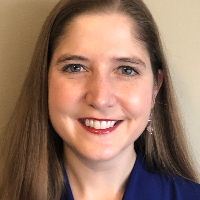
Debby Sawyer
LIMHP
Nebraska - 33 yrs exp
















How CBT Treats Trauma and Abuse
Cognitive behavioral therapy focuses on the relationship between thoughts, feelings, and behaviors. When trauma or abuse affects you, it can shape recurring thoughts and avoidance patterns that keep painful memories and reactions active. CBT helps you identify unhelpful thinking patterns - such as overgeneralization, catastrophizing, or self-blame - and learn to test and modify those beliefs. At the same time, behavioral strategies help you gradually face avoided situations, develop coping skills, and build experiences that contradict trauma-driven expectations.
In practice, your therapist will work with you to map how past experiences influence current responses. You will learn to notice triggers and the automatic thoughts that follow. Through guided practice you will replace rigid or distorted thoughts with more balanced perspectives and rehearse new behaviors that reduce distress and improve functioning. The combined cognitive and behavioral elements aim to reduce symptoms like hypervigilance, intrusive memories, and avoidance without making promises about immediate symptom elimination.
Finding CBT-Trained Help for Trauma and Abuse in Nebraska
When you search for a CBT therapist in Nebraska, look for clinicians who explicitly list training or experience in cognitive behavioral methods for trauma. Many therapists in urban centers such as Omaha and Lincoln include CBT as a primary approach, while clinicians in suburban and rural areas like Bellevue and Grand Island may offer both in-person and remote options. You can use the listings below to filter for CBT orientation, trauma specialization, licensure, and languages spoken. Take note of whether a therapist mentions trauma-focused adaptations of CBT, since working with traumatic stress often requires additional skills beyond basic CBT techniques.
It can help to consider practical factors along with clinical approach. Think about whether you prefer in-person sessions in a nearby office, evening availability, or ongoing telehealth appointments. If transportation or scheduling is a concern, therapists in larger Nebraska cities often provide more flexible hours. You should also consider whether you want a therapist who works with specific populations, such as survivors of childhood abuse, intimate partner violence, or combat-related trauma.
What to Expect from Online CBT Sessions for Trauma and Abuse
If you choose online CBT, you will likely follow a structure similar to in-person treatment. Sessions typically begin with assessment and goal-setting so you and your therapist can prioritize the most distressing symptoms and practical goals. Early sessions usually target stabilization - building grounding techniques, emotion regulation skills, and safety planning if needed. After stabilization, you can expect cognitive work to explore and modify trauma-related beliefs and behavioral experiments to practice approaching feared or avoided situations.
Online delivery changes some practical elements but not the core techniques. You will practice skills between sessions and may use worksheets, audio recordings, or guided exercises sent electronically. Your therapist will coach you through exposures or memory processing exercises in a step-by-step way and will monitor your reaction to ensure pacing feels manageable. If you live in rural Nebraska, online CBT can increase access to therapists with trauma-focused training who might not have offices nearby.
Evidence Supporting CBT for Trauma and Abuse
Research has shown that CBT-based approaches can reduce symptoms commonly associated with trauma and abuse when delivered by trained clinicians. Cognitive restructuring addresses the unhelpful beliefs that often follow trauma, while exposure and behavioral activation help reverse avoidance patterns. Adaptations of CBT that are tailored for traumatic experiences provide structured ways to process memories and integrate new learning. While no approach is a universal solution, many people report measurable improvements in daily functioning and emotional regulation after engaging in trauma-informed CBT work.
Local clinicians in Nebraska often draw on these evidence-based techniques while tailoring treatment to the realities of your life here - for example, balancing work and family commitments in Omaha or navigating the logistics of rural living. Evidence supports both in-person and remote delivery, and therapists in Lincoln and Bellevue may offer a range of options to match your needs. When considering treatment, look for therapists who describe their training and outcomes-oriented practices so you can make an informed decision.
Tips for Choosing the Right CBT Therapist in Nebraska
Begin by clarifying what matters most to you - whether it is a therapist's experience with a particular kind of trauma, an approach that emphasizes skills training, or logistical factors like location and availability. Read provider profiles to learn how therapists describe their CBT work and whether they mention trauma-specific methods. A good initial consultation gives you an opportunity to ask about how they adapt CBT for trauma, how they pace exposure-based work, and what a typical course of treatment might look like. You should feel heard when you describe your history and concerns, and the therapist should be able to explain their approach in straightforward terms.
Consider the therapist's communication style and whether you prefer a more directive CBT coach or a collaborative explorer. Ask about practical matters such as session length, frequency, fees, and whether they offer appointment times that fit your schedule. If you intend to use health insurance, check licensure and billing practices in advance. In metropolitan areas like Omaha, you may have more options for evening or weekend appointments, while smaller communities might require more flexible scheduling or reliance on telehealth. Either way, a clear conversation at the outset helps set expectations.
Working With a Therapist Locally or Remotely
Deciding between in-person and remote CBT often comes down to accessibility and comfort. In-person sessions can feel grounding if you prefer face-to-face interaction and a designated therapy space. Remote sessions offer convenience and broaden the pool of therapists you can choose from, which is helpful if you live outside Lincoln or Bellevue. Many Nebraska therapists offer a blend of both, allowing you to meet in the office when needed and use online sessions for follow-ups or when travel is difficult.
Before beginning remote work, verify technical requirements and discuss safety planning with your therapist so you know how they will respond if intense emotions arise during a session. Your therapist should explain how they structure online CBT exercises and how they handle homework assignments and progress tracking. This clarity helps you enter treatment with realistic expectations and a collaborative plan.
Making the First Contact
When you reach out to a therapist from the listings below, a brief intake or phone consultation can help determine fit. You can describe your goals and ask how the therapist typically applies CBT to trauma and abuse. Trust your instincts during that first contact - feeling respected and understood is an important part of therapeutic fit. If a clinician’s approach or scheduling does not feel right, it is reasonable to try a different provider until you find the match that supports your progress.
Finding a CBT therapist for trauma and abuse in Nebraska is a practical step toward reclaiming steadier daily functioning. Whether you live in a city like Omaha or Lincoln or in a smaller Nebraska community, therapists trained in cognitive behavioral methods can help you develop skills, process experiences, and create meaningful change over time. Use the profiles below to reach out, ask questions, and begin building a treatment plan that meets your needs.