Find a CBT Therapist for Anger in New Mexico
This page lists CBT-trained therapists in New Mexico who focus on anger management and emotional regulation. You will find therapists practicing cognitive-behavioral approaches across the state to help people understand and change patterns that fuel anger. Browse the listings below to compare profiles and reach out to therapists who match your needs.


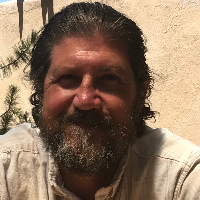
Nicole Neal
LPCC
New Mexico - 24 yrs exp












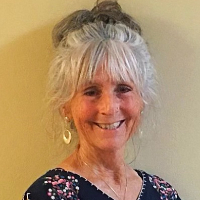
Sarah Bentley
LPCC, LMHP
New Mexico - 10 yrs exp




How CBT Specifically Treats Anger
Cognitive-behavioral therapy focuses on the link between thoughts, feelings, and actions. When you get angry, there is often a chain of mental events that starts with an interpretation of a situation - a thought that something unfair or threatening has happened - and moves quickly into sensations and responses. In CBT you learn to pause that chain long enough to examine the thoughts driving the reaction. That scrutiny helps you replace automatic, unhelpful interpretations with more balanced perspectives, which in turn can reduce the intensity of the emotional and physical response.
On the behavioral side, CBT teaches practical strategies you can use in the moment and between sessions. You learn skills for breathing and grounding to lower physical arousal, communication techniques to express needs without escalation, and problem-solving steps to address recurring triggers. By practicing these skills in real-life situations and reflecting on what works, you gradually change patterns that used to lead straight from trigger to outburst. Over time, those new habits become your default ways of responding.
The cognitive mechanisms
At the heart of CBT for anger is the idea that thoughts shape emotions. You will be guided to identify common thinking traps that feed anger - such as overgeneralization, personalization, and catastrophizing - and to test these thoughts by looking for evidence and alternative interpretations. That mental reframing does not mean ignoring injustice or pretending everything is fine. Rather, it allows you to choose responses that are more effective and aligned with your goals.
The behavioral mechanisms
Behavioral change is central to solidifying what you learn cognitively. Therapists help you design experiments in daily life: small, safe actions that test new ways of responding. You may practice assertive communication with a trusted friend, schedule time-outs during heated interactions, or use relaxation routines before known stressors. Repeated practice leads to improved self-control and a sense of mastery over situations that used to feel overwhelming.
Finding CBT-Trained Help for Anger in New Mexico
When you are looking for CBT-focused help in New Mexico, start by checking therapist profiles for training and experience specifically in cognitive-behavioral approaches to anger and emotion regulation. Many therapists list their theoretical orientation and specializations. You can filter for clinicians who emphasize CBT, have additional training in anger management or dialectical skills, and note experience with populations similar to yours - for example adults, adolescents, or couples.
Consider location and practical access. If you live in Albuquerque or the surrounding metro area, you will likely find a broader range of clinicians, including those who work in community mental health centers and private practices. Santa Fe and Las Cruces also have clinicians with CBT expertise, and some therapists travel between cities or maintain flexible schedules. Many therapists in New Mexico offer evening appointments to accommodate work and family commitments.
Another important factor is cultural and linguistic fit. New Mexico has a rich cultural landscape and a significant Spanish-speaking population. If language or cultural understanding matters to you, look for therapists who note bilingual skills or experience working with the cultural communities in Albuquerque, Santa Fe, and other parts of the state. That fit can make it easier to discuss sensitive issues and to apply CBT tools in ways that feel relevant to your life.
What to Expect from Online CBT Sessions for Anger
Online CBT has become a widely used option that increases access across New Mexico, particularly if you are outside major cities or have limited transportation. In an online session you can expect a structured approach similar to in-person work: an initial assessment of anger patterns, collaborative goal setting, learning and practicing skills, and scheduled review of progress. Many therapists will assign practice exercises between sessions so you can apply new techniques to real situations and bring observations back to therapy for refinement.
Technology needs are typically modest - a device with video and audio and a quiet place where you can focus during the session. Therapists will often discuss boundaries for online work, such as how to handle an urgent situation and what to do if the connection is interrupted. If you prefer a combination of online and occasional in-person meetings, ask about hybrid options when you contact a therapist.
Evidence Supporting CBT for Anger in New Mexico
CBT is one of the most researched approaches for managing anger and aggressive behavior. Research indicates that when people learn cognitive restructuring and behavioral skills, they frequently report fewer intense anger episodes, improved communication, and better problem-solving. While most large studies are not location-specific, the principles and techniques translate well across settings. Clinicians in New Mexico apply these evidence-based methods while tailoring them to the individual and to local cultural contexts.
Local providers often integrate CBT with complementary approaches when helpful - for instance, mindfulness exercises that support emotional awareness or skills from interpersonal therapies to address relationship patterns. If you want to learn about outcomes in settings near you, ask prospective therapists about their experience and whether they track client progress using measurable goals. That conversation can give you a clearer sense of how CBT techniques have helped others with similar challenges.
Tips for Choosing the Right CBT Therapist for Anger in New Mexico
Choosing a therapist is a personal decision. You should feel able to ask questions and evaluate how a therapist explains their approach. A good starting point is to request an initial consultation to discuss your goals and gauge whether the therapist emphasizes CBT strategies for anger and offers a collaborative plan. During that conversation, you might ask how they structure sessions, what kind of homework or practice they recommend, and how they measure progress. Pay attention to whether the explanations feel practical and whether the therapist listens to your concerns.
Consider logistics such as appointment availability, fees, and whether the therapist accepts your insurance or offers a sliding scale. If you live near Albuquerque, Santa Fe, or Las Cruces you may have more in-person options, while rural areas may rely more on telehealth. If language matters, ask about bilingual services or cultural competence relevant to New Mexico communities. It is also reasonable to ask about experience with situations like yours - whether that involves family dynamics, workplace stress, or past trauma - because those contexts often shape how anger shows up and what strategies are most helpful.
Finally, give yourself permission to try a few sessions and evaluate fit. You should notice whether you are learning practical skills and whether the therapist supports you in applying them between sessions. A good CBT therapist will be clear about goals, transparent about methods, and willing to adjust the plan based on your experience. If you do not feel a collaborative fit, it is okay to keep looking until you find someone who matches your needs.
Moving Forward
If you are ready to look for CBT help for anger in New Mexico, use the listings on this page to compare therapist profiles, availability, and areas of expertise. Whether you are in Albuquerque, Santa Fe, Las Cruces, or another part of the state, you can find clinicians who focus on cognitive-behavioral techniques to help you manage triggers, communicate more effectively, and build new habits for responding to stress. Reaching out for a consultation is a practical first step toward learning tools that may make difficult moments easier to navigate.