Find a CBT Therapist for Bipolar in New Mexico
This page connects you with therapists across New Mexico who use cognitive behavioral therapy to treat bipolar. Browse clinician profiles below to compare approaches, locations and availability.
Use the filters to focus on CBT-trained providers in Albuquerque, Santa Fe, Las Cruces and beyond, and reach out to schedule an initial consultation.

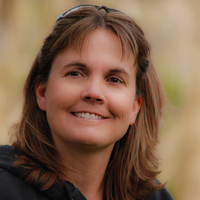
Nicole Neal
LPCC
New Mexico - 24 yrs exp















How CBT Approaches Bipolar mood concerns
Cognitive behavioral therapy, often shortened to CBT, focuses on the relationship between thoughts, feelings and actions. When you are managing bipolar, those patterns can be especially important because shifts in mood influence how you think and what you do. CBT helps you learn to recognize unhelpful thought patterns that may worsen depressive or elevated mood states and to develop behavioral strategies that support more stable functioning.
At its core, CBT blends cognitive work - noticing and testing automatic thoughts and beliefs - with behavioral techniques such as activity scheduling, behavioral activation and structured problem-solving. For someone coping with bipolar, that combination can translate into practical skills for spotting early mood changes, adjusting routines to protect sleep and energy, and breaking cycles that can deepen low mood or escalate into risky behavior during high-energy periods. Therapists trained in CBT often add mood tracking and relapse prevention planning so you can respond early when patterns begin to shift.
What CBT techniques look like in therapy for bipolar
In a CBT-informed course of care you will typically start by building a clear, individualized picture of how mood swings show up for you. That assessment often includes identifying triggers, daily routines and thought patterns that tie into mood changes. You will work with your therapist to develop concrete tools. These could include behavioral activation to increase engagement when you are low, pacing strategies to manage energy and impulsivity during elevated periods, cognitive restructuring to challenge extreme or unhelpful beliefs, and skills for managing stress and interpersonal conflicts that can affect mood.
Rather than promising quick fixes, CBT emphasizes gradual skill-building and practice between sessions. Homework assignments, mood charts and activity plans are a regular part of the process so you can test techniques in your everyday life and bring back observations to refine strategies with your therapist.
Finding CBT-trained help for bipolar in New Mexico
When you begin searching for a CBT therapist in New Mexico, consider both training and experience. Look for clinicians who explicitly list CBT or cognitive behavioral therapy in their profiles and who describe experience working with mood disorders. Licensing in New Mexico is important because it ensures a baseline of professional standards, and many therapists will note additional CBT certifications or years of focused work with bipolar conditions.
Geography matters for convenience and support. You may prefer someone nearby in Albuquerque or Rio Rancho so you can attend in-person sessions when needed, or a clinician in Santa Fe or Las Cruces if their schedule and approach match your needs. If you live in a rural area of New Mexico, telehealth options can expand your choices while allowing you to work with practitioners who specialize in CBT for bipolar even if they are based in another city.
Questions to ask when you search
When you contact a therapist, ask about their experience using CBT specifically with bipolar presentations. You can inquire how they integrate mood monitoring and relapse prevention into treatment and whether they coordinate care with prescribers if you are working with a psychiatrist. It is reasonable to ask about session length, typical treatment duration and what a standard week-to-week progression looks like so you have a clear expectation from the start.
What to expect from online CBT sessions for bipolar
Online CBT sessions follow the same basic structure as in-person work but with some practical differences. You will meet with your therapist using a video or phone platform at scheduled times, and sessions will include focused skill teaching, review of mood and behavior logs, and collaborative planning for the week. Many therapists use digital worksheets, mood-tracking apps and emailed materials to support homework assignments. The online format can make it easier to maintain consistency if travel or scheduling are obstacles.
Telehealth can also allow you to access specialized CBT providers who practice in Albuquerque, Santa Fe or Las Cruces without needing to commute. If you choose online care, clarify session privacy practices, the technology the clinician uses and how they handle emergencies or urgent concerns. A good telehealth experience includes clear plans for contact between sessions if your mood shifts rapidly and coordination with local crisis resources when necessary.
Evidence and local practice considerations
Research has generally supported CBT as a useful component of care for people with bipolar when it is used alongside other treatments. In New Mexico, clinicians trained in CBT often integrate these evidence-based techniques into broader treatment plans, collaborating with prescribers or community supports when medication, case management or other services are part of your needs. You can expect therapists in urban centers like Albuquerque and Santa Fe to have greater access to continuing education and peer consultation groups focused on mood disorders, while providers in smaller communities may bring broader scopes of practice and local knowledge that can be very helpful.
Because bipolar is a complex condition with individual variability, CBT is usually presented as one part of a comprehensive approach. If you are evaluating options, look for therapists who discuss how they tailor CBT strategies to your history, lifestyle and treatment goals rather than offering a one-size-fits-all plan.
Choosing the right CBT therapist for bipolar in New Mexico
Finding the best match involves both clinical fit and practical considerations. Clinically, seek a therapist who demonstrates specific CBT training and experience working with bipolar presentations, who explains how they will track progress and who is comfortable coordinating with psychiatrists or primary care providers if needed. Practically, consider location, whether you prefer online or in-person sessions, insurance or payment options and scheduling that fits your life.
Compatibility matters. The therapeutic relationship can influence how willing you are to practice new skills and bring sensitive material into sessions. Many people find it helpful to have a brief intake conversation or initial consultation to assess whether a therapist's style and plan feel like a good match. Ask about their approach to crisis planning and how they handle sudden changes in mood so you know how they support safety and continuity of care.
Local resources and next steps
When you are ready to take the next step, use the directory filters to narrow results by CBT specialization, telehealth availability and city. If you live near Albuquerque, Santa Fe, Las Cruces or Rio Rancho, consider searching for clinicians who list convenient office times or weekend availability. If you are outside major centers, expand your search to include clinicians offering online therapy to increase your options.
Ultimately, effective CBT work for bipolar is a collaborative process that combines skill-building, structured practice and coordination with other parts of your care. Take your time to compare profiles, ask targeted questions and choose someone who explains CBT in a way that makes sense to you. With a good match, you can build practical tools that support more predictable routines, clearer thinking and improved coping across mood shifts.