Find a CBT Therapist for Gambling in New Mexico
This page connects visitors with Cognitive Behavioral Therapy (CBT) clinicians in New Mexico who focus on gambling-related concerns. Listings below highlight practitioners trained in CBT so you can explore options across the state.
Browse the profiles to compare approaches, availability, and locations, and select a therapist whose experience and style fit your needs.





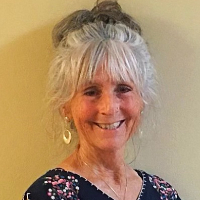
Sarah Bentley
LPCC, LMHP
New Mexico - 10 yrs exp










How CBT addresses gambling behaviors
Cognitive Behavioral Therapy approaches gambling by examining the thoughts and behaviors that keep risky patterns in place. In CBT you work with a clinician to identify the automatic beliefs that follow urges to gamble - thoughts that promise relief, thrill, or a quick solution to financial stress. Those beliefs often lead to behaviors that feel unavoidable in the moment. CBT helps you slow that process down so you can respond differently.
The cognitive side of treatment focuses on recognizing and reshaping distorted thinking. You learn to spot common patterns such as overconfidence in winning, minimization of losses, or the belief that a win is "due" after a series of losses. By testing these thoughts against reality and gathering clear evidence, you reduce their persuasive power. The behavioral side targets the routines that lead to gambling. That work includes changing daily habits, avoiding high-risk situations, and building alternative activities that provide structure and meaning.
Practical skills you will build
During CBT you practice skills that translate into everyday decisions. You learn craving-management techniques to ride out strong urges without acting on them. You develop problem-solving approaches for financial and relational stressors that may have driven gambling in the past. You also create relapse-prevention plans that map early warning signs and outline steps to take when vulnerability is high. These skills equip you to manage triggers, recover from setbacks, and gradually regain control over gambling-related behaviors.
Finding CBT-trained help for gambling in New Mexico
When looking for a CBT clinician in New Mexico, consider both formal training and practical experience treating gambling concerns. Many licensed therapists include CBT in their foundational training, but some clinicians pursue additional workshops and supervised practice focused specifically on addictive behaviors and impulse control. In larger communities such as Albuquerque and Santa Fe you are more likely to find therapists with specialized training, while smaller cities and rural areas may offer clinicians who provide CBT while coordinating care with local supports.
License and credentials matter because they indicate clinical standards and oversight. You can also look for therapists who advertise experience with gambling-related work, with descriptions of the types of clients they treat and the interventions they use. If language access matters, search for clinicians who provide services in Spanish or other languages common in New Mexico. Many therapists will describe whether they offer in-person sessions in places like Albuquerque, Las Cruces, and Santa Fe or whether they provide flexible telehealth visits to serve clients statewide.
Where to start your search
Start by reviewing therapist profiles for mentions of CBT, behavioral interventions, and relapse prevention. Read provider bios to learn about their approach to gambling concerns, whether they emphasize skill-building, family involvement, or financial counseling support. Pay attention to practical details such as appointment times, whether they accept insurance or offer sliding-scale fees, and whether they provide online sessions. Contacting a clinician for a brief consultation call can help you get a sense of fit before scheduling a full intake session.
What to expect from online CBT sessions for gambling
Online CBT sessions for gambling mirror the structure of in-person work but offer additional convenience. You can expect a collaborative assessment during initial sessions where the clinician asks about your gambling patterns, triggers, finances, and supports. Treatment then proceeds with a mix of in-session skill practice and between-session tasks. Homework assignments might include keeping a journal of urges and wins or experimenting with alternative activities during typical gambling times.
Telehealth sessions make it easier to fit therapy into a busy schedule, and they can connect you with specialists who are not located near you. In New Mexico that flexibility can be especially useful if you live outside major centers and want access to clinicians in Albuquerque or Santa Fe without long travel. You should plan for sessions in a place where you feel comfortable speaking openly - a quiet room in your home, a parked car between commitments, or another personal space where you can focus. Expect your therapist to guide you through practical strategies for managing technology-related triggers and to set clear agreements about safety planning and follow-up.
Evidence and outcomes for CBT in gambling treatment
Research supports CBT as a widely used approach for addressing problematic gambling behaviors. Studies typically show that structured cognitive and behavioral interventions can reduce gambling frequency and the intensity of urges, and they can improve related areas such as mood and financial decision-making. In your search for help, you can ask prospective clinicians how they use evidence-based components of CBT in treatment and whether they track progress over time with measurable goals.
Local resources in New Mexico may also contribute to positive outcomes when combined with CBT. Community-based financial counseling, peer support groups, and family therapy can complement one-on-one CBT work. Because gambling often has ripple effects on relationships and finances, a multidisciplinary approach that includes practical problem solving tends to be more effective for many people.
Choosing the right CBT therapist in New Mexico
Choosing the right therapist is about fit as well as qualifications. You should feel comfortable discussing sensitive topics and confident that the clinician understands the specific challenges of gambling behavior. Consider whether you prefer a therapist with direct experience treating gambling, a clinician who works with family members, or someone who integrates financial planning into therapy. Availability in your region can matter too; if you are near Albuquerque or Las Cruces you may want a therapist who can meet in person occasionally, while living farther away might make telehealth the best option.
Language, cultural competence, and life experience are important as well. New Mexico has a diverse population and clinicians who understand local cultural contexts may offer more relevant strategies. During an initial consultation ask about typical session structure, expected duration of treatment, how progress will be measured, and what to do if setbacks occur. A good therapist will welcome questions about scope of practice and will help you form a clear treatment plan with achievable milestones.
Practical considerations before beginning therapy
Before you start, check whether a clinician accepts your insurance or offers a sliding fee. Ask about cancellation policies, session length, and options for scheduling during evenings or weekends. If you rely on additional supports - such as group meetings, financial advisors, or family involvement - discuss how those resources can be incorporated. Making these arrangements up front reduces friction and helps you focus on the therapeutic work.
Moving forward with CBT in New Mexico
Seeking CBT for gambling is a proactive step toward regaining control over behavior and rebuilding areas of life that have been affected. Whether you choose a therapist based in Albuquerque, meet with a clinician in Santa Fe, or work with a practitioner who offers sessions statewide by video, CBT gives you a framework for understanding triggers and developing practical skills. Over time, many people find that consistent practice of CBT tools leads to clearer choices, fewer impulsive actions, and improved well-being.
Use the listings above to compare clinicians by training and approach, and consider reaching out for an initial conversation to assess fit. With a focused, skill-based approach you can start addressing gambling-related patterns and take concrete steps toward lasting change.