Find a CBT Therapist for Panic Disorder and Panic Attacks in New Mexico
This page helps you find CBT therapists across New Mexico who focus on panic disorder and panic attacks. You can review therapist profiles, learn about CBT methods, and filter by city and session options. Browse the listings below to find a clinician who fits your needs.

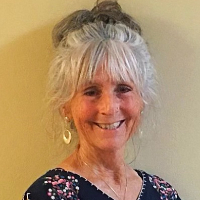
Nicole Neal
LPCC
New Mexico - 24 yrs exp






















How CBT Treats Panic Disorder and Panic Attacks
Cognitive behavioral therapy, or CBT, approaches panic disorder by addressing the thoughts and behaviors that keep the cycle of panic going. When a panic attack occurs you may interpret bodily sensations or situations as threats, which increases anxiety and leads to more intense physical symptoms. CBT helps you notice and change those threat-based thoughts while also teaching you to approach the sensations and situations that provoke fear rather than avoiding them. Over time this combination of cognitive change and behavioral practice reduces the frequency and intensity of panic responses and gives you clearer strategies for managing moments of heightened anxiety.
In practical terms, a CBT therapist will work with you to map the typical progression of a panic attack, identify the thoughts and assumptions that accelerate it, and design behavioral experiments that test those beliefs. Interoceptive exposure - deliberately and safely provoking harmless bodily sensations similar to those you fear - is a core behavioral technique used to show that sensations like a racing heart or shortness of breath are uncomfortable but not dangerous. Cognitive restructuring complements exposure work by helping you spot automatic catastrophic thoughts and replace them with more balanced appraisals, reducing the urge to escape or avoid.
Finding CBT-Trained Help for Panic in New Mexico
When you begin your search in New Mexico, you can look for clinicians who specify CBT training and experience with panic disorder. Many therapists in Albuquerque, Santa Fe, and Las Cruces list specialized training in anxiety disorders and trauma-informed CBT methods. You can filter listings by therapist credentials, years of experience, and whether they emphasize interoceptive exposure, behavioral experiments, or relapse prevention planning.
Licensing titles vary across the state, and helpful clinicians may be licensed psychologists, licensed clinical social workers, or licensed professional counselors. What matters most is that the therapist can describe how they apply CBT to panic symptoms and that they work collaboratively with you to set measurable goals. If you live near Rio Rancho or other New Mexico communities you can search for local availability as well as clinicians who offer remote sessions across state lines.
What to Expect from Online CBT Sessions for Panic Disorder
If you choose online CBT, you will typically begin with an assessment session where the therapist asks about the history of your panic attacks, current triggers, and any patterns of avoidance. From that assessment you and your therapist will agree on a plan that usually includes weekly or biweekly sessions, practice between sessions, and ways to track progress. Online work follows the same principles as in-person CBT - cognitive work, exposure tasks, and skills practice - but it also offers flexibility in scheduling and easier access to specialists who may be located in larger centers like Albuquerque or Santa Fe.
During remote sessions you can expect to use screen sharing for worksheets, to receive audio or video-guided exercises, and to agree on between-session exposures that you carry out where you feel most comfortable. Your therapist will explain safety planning and how to handle intense moments during exposures. You should prepare a quiet, distraction-free environment for sessions and confirm how to reach the clinician between appointments if you need support or to reschedule. Many therapists will assign short daily or weekly practices so you can build tolerance and track how your reactions change over time.
Evidence Supporting CBT for Panic Disorder and Panic Attacks
CBT is one of the most commonly recommended psychological approaches for panic disorder because it targets both the cognitive and behavioral processes that sustain panic. Research over many years has shown that CBT techniques reduce panic frequency and help people regain normal activities that they previously avoided. In clinical settings across the country, including urban and rural areas of New Mexico, CBT is used by clinicians who tailor standard protocols to the needs of each person.
When you evaluate evidence in practical terms, look for therapists who use structured CBT approaches that measure progress. Therapists who use short assessment scales and record changes in panic symptoms over weeks can show you how your work is progressing. Those measurable improvements, even if gradual, are a reliable sign that the interventions are focused and being applied consistently.
Practical Tips for Choosing the Right CBT Therapist in New Mexico
Begin by asking potential therapists about their training in CBT and specific experience treating panic disorder. Ask how they use exposure - both interoceptive and situational - and how they balance cognitive strategies with behavior change. If you prefer in-person work, check where clinicians practice and whether they see clients in Albuquerque, Santa Fe, or Las Cruces. If you prefer telehealth, ask whether the therapist regularly conducts effective online treatment and whether they have experience working with clients across New Mexico.
Consider compatibility as well as expertise. A therapist who explains the rationale behind interventions in ways that make sense to you and who sets collaborative homework expectations is often easier to work with over the long term. Ask about session length, frequency, fees, and whether they accept your insurance or offer sliding scale options. It is reasonable to request a brief phone or video consultation to get a sense of communication style and approach before committing to multiple sessions.
Questions to Ask Before You Start
When you contact a clinician, you can ask how they assess panic symptoms, how frequently they use exposure techniques, and how they track progress. Inquire about what the first few sessions will look like - typically an assessment and an introduction to core CBT ideas - and whether they provide written materials or digital tools for between-session practice. If you are taking medication or working with a prescriber, ask how the therapist coordinates care with other providers to support a consistent treatment plan.
Making the Most of CBT in Your Everyday Life
CBT is an active approach that depends on practice outside sessions. You will likely be asked to test assumptions through behavioral experiments, practice breathing and grounding techniques, and complete thought records that reveal patterns over time. These practices are designed to help you face feared sensations and learn that panic can be managed rather than avoided. If you live in a smaller New Mexico community, online sessions make it possible to access therapists with specific panic-focused experience even if local in-person options are limited.
As you proceed, track small wins. Reduced avoidance, fewer catastrophizing thoughts, and an increased ability to stay in previously feared situations are all meaningful indicators of progress. Your therapist should help you build a relapse prevention plan so you know what strategies to use if panic symptoms return. Over time the combination of cognitive shifts and behavioral practice can give you greater confidence in daily life.
Finding Support in New Mexico Cities and Communities
Whether you are searching for a practitioner in Albuquerque, checking options in Santa Fe, or exploring clinicians who travel to or serve Las Cruces, the directory listings can help you compare therapists by approach and availability. Many New Mexico clinicians understand the local culture and services that can support recovery, including community resources and group-based CBT programs. Use the listings to contact therapists, read profile summaries, and choose a clinician who explains CBT in a way that resonates with you.
If you are ready to begin, start by narrowing listings to clinicians who emphasize CBT for panic disorder, review their profiles for relevant experience, and reach out to arrange an initial consultation. With focused work and consistent practice, CBT can give you practical tools to manage panic attacks and restore confidence in daily activities.