Find a CBT Therapist for OCD in New York
This page lists CBT therapists in New York who focus on treating obsessive-compulsive disorder (OCD). Review practitioner profiles below to compare CBT approaches, credentials, and availability, then browse the listings to find suitable care.





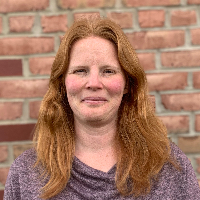
LaVerne Merritt-Morrison
LMHC
New York - 30 yrs exp
















How CBT treats OCD: understanding the approach
Cognitive behavioral therapy, or CBT, approaches obsessive-compulsive disorder by addressing both the thinking patterns and the behaviors that maintain distress. In practice, CBT helps you notice how intrusive thoughts trigger anxiety and how performing rituals or avoidance reduces anxiety in the short term but reinforces the cycle over time. The therapy aims to shift the relationship you have with those thoughts and to change responses to them so that anxiety naturally decreases without ritualized behaviors.
Cognitive techniques that change how you relate to thoughts
The cognitive pieces of CBT focus on the meaning you assign to intrusive thoughts and the rules you may have developed for preventing feared outcomes. A therapist will help you examine assumptions - for example, beliefs about responsibility, certainty, or perfect control - and explore whether those assumptions hold up under scrutiny. Through guided reflection and skills practice, you learn to label thoughts as thoughts rather than facts and to test the accuracy of catastrophic predictions. Over time, these cognitive shifts can lessen the intensity of the urge to perform compulsions because the thoughts feel less threatening.
Behavioral techniques - exposure and response prevention
Behavioral work commonly centers on exposure and response prevention, often abbreviated ERP. In ERP you are gradually and repeatedly exposed to the situations, images, or thoughts that provoke anxiety while being supported to refrain from performing the rituals that typically follow. This process allows your anxiety to habituate and teaches your brain that feared consequences do not inevitably follow. ERP is structured and incremental - exposures begin at manageable levels and increase as you build confidence. Homework between sessions is a core element because real-world practice is how learning generalizes beyond the therapy room.
Finding CBT-trained help for OCD in New York
When you look for a CBT therapist in New York, you want someone who has specific training and experience with OCD and ERP. Many clinicians in larger cities such as New York City, Buffalo, and Rochester have pursued specialized workshops, supervision, or certifications in OCD treatment. Search for profiles that explicitly mention OCD, ERP experience, or additional training in anxiety disorders. University-affiliated clinics and specialty anxiety centers often list their treatment approaches and may provide options at different price points. If you live outside a metropolitan area, telehealth options have made it simpler to access therapists who specialize in OCD across the state.
Consider the practical logistics as part of your search. Look for information about session length, whether clinicians offer telehealth or in-person appointments in neighborhoods you can reach, and whether they work with adults, adolescents, or children. If timing or cost is important, filter listings for clinicians who offer early morning or evening appointments, sliding scale fees, or insurance participation. Many therapists provide an initial consultation call to answer questions about their approach and to help you determine whether a good working fit is possible.
What to expect from online CBT sessions for OCD
Online CBT for OCD follows the same principles as in-person treatment, with therapists adapting ERP and cognitive techniques to a remote format. Sessions typically begin with a review of homework and recent exposures, followed by collaborative planning for new exercises. Therapists often guide exposures while you are on video, coach you through managing anxiety, and help you resist compulsions in the moment. Remote work also allows you to confront fears in the environments where they occur - your home, neighborhood, or workplace - which can make exposure tasks more immediately relevant.
Technology can support ERP in practical ways. A therapist may use screen sharing to review worksheets, send tailored materials between sessions, or suggest apps and recordings to support mindfulness and breathing exercises. You should plan for the same level of active participation as in-person CBT - expect homework, consistent practice, and honest reporting on how exposures felt. A reliable internet connection and a quiet, comfortable environment for sessions will help you get the most from remote work.
Evidence and outcomes for CBT with OCD
Clinical research over several decades has found CBT, and particularly ERP, to be one of the most well-supported psychological approaches for people living with obsessive-compulsive patterns. Studies report that many participants experience meaningful reductions in compulsive behaviors and distress when they engage in structured CBT programs. In New York, clinicians often integrate evidence-based protocols and outcome monitoring into practice so you and your therapist can track progress over time. While individual outcomes vary, consistent practice and collaboration with a therapist who knows OCD treatment increase the likelihood of steady gains.
It is reasonable to expect a period of adjustment as you begin exposures and cognitive work, and therapists will usually discuss the timeline for progress and the typical ebb and flow of symptoms. Some people notice changes within weeks, while others work steadily over months to see long-lasting shifts in how they react to intrusive thoughts. Good CBT practice balances realistic expectations with the active steps you can take between sessions to strengthen learning.
Tips for choosing the right CBT therapist for OCD in New York
Start by prioritizing a therapist who explicitly lists experience with OCD and ERP on their profile. During an initial call or consultation, ask how they structure ERP, how they tailor cognitive techniques to individual cases, and what homework expectations they set. Inquire about their experience with cases similar to yours, such as contamination-related rituals, checking behaviors, or intrusive thoughts, and ask how they measure progress. A therapist who explains a clear, staged plan for exposures and who discusses how to handle setbacks can give you a sense of their practical approach.
Think about fit beyond technical training. You should feel comfortable communicating openly and confident that the therapist will respect your pace while encouraging growth. Practical factors matter too - consider office locations if you prefer in-person sessions, or whether the clinician offers online appointments that accommodate your schedule. Residents of New York City will find many specialized clinics and private practitioners, while people in Buffalo, Rochester, Albany, and Syracuse may find local specialists or access expertise via telehealth. Check whether the therapist accepts your insurance, offers sliding scale options, or provides referrals to clinics with lower-cost programs if budget is a concern.
Finally, trust your judgment about rapport. The first few sessions are a chance to evaluate how a therapist explains ERP, how they respond to questions about anxiety during exposures, and whether their style motivates you to practice between sessions. If something does not feel like a fit, it is reasonable to explore alternate clinicians until you find a professional whose approach and communication support your goals.
Getting started
Finding a CBT therapist who focuses on OCD in New York is a practical first step toward learning new ways to manage intrusive thoughts and compulsive behaviors. Use profiles to compare training, location, and treatment emphasis, and take advantage of consultation calls to ask about ERP experience and session expectations. Whether you are in New York City, Buffalo, Rochester, or elsewhere in the state, there are clinicians who specialize in evidence-based CBT approaches and who can work with you to design a treatment plan that fits your life. When you are ready, browse the listings above to connect with a therapist who can guide you through cognitive and behavioral strategies tailored to OCD.